
Vending Machine SBA Loan Planning Checklist
A practical U.S. planning guide for vending machine SBA loan planning checklist, built for founders, buyers, and operators comparing assumptions before committing capital.

Can a vending machine business support an SBA loan plan?
If you are buying, starting, or expanding a vending machine business, the real question is whether your plan can show lender-ready economics: machine cost, route mileage, product margins, commissions, repairs, software, and enough working capital to keep the operation moving.
An SBA loan checklist for vending is usually less about a generic startup idea and more about proving how each location, machine type, and route behaves in your market. That means the plan has to tie together site terms, equipment assumptions, inventory turns, and operating reserves in a way a lender can review.
For founders and buyers, the decision is often whether to finance the business as a startup, an acquisition, or a route expansion. Each version changes the assumptions that matter most, so the checklist should separate what you already know from what must still be verified locally.
Quick decision frame
| What the reader is deciding | Whether the vending business can be packaged into a practical SBA loan request with credible startup, acquisition, or expansion assumptions. |
|---|---|
| What must be verified locally | Site lease terms, placement commissions, equipment pricing, service access, permit rules, insurance requirements, inventory costs, and lender-specific underwriting expectations. |
- Lease or placement terms, including any buildout or landlord constraints
- Machine costs, age, condition, delivery, and installation needs
- Labor and route time, including servicing frequency and travel mileage
- Menu economics, product mix, spoilage, and gross margin assumptions
- Repairs, maintenance, software, cash handling, and restocking costs
- Permits, local operating requirements, and site-specific restrictions
- Working capital needs for inventory, fuel, downtime, and early-stage cash flow
- Funding readiness, including borrower documents and lender package quality
Next, the practical framework breaks these assumptions into the specific inputs that matter most for a vending machine loan checklist.
What should a vending machine SBA loan checklist include?
For a U.S. vending machine startup or acquisition, the planning checklist should connect route choices, machine count, location terms, stocking needs, and service costs to the inputs a lender can review. The goal is not just “what will I buy?” but “what operating assumptions support the requested funding amount and working capital needs?”
Planning areas that should be documented before you build the loan package
| Planning area | Question to answer | Input to collect | Model impact | Verification source |
|---|---|---|---|---|
| Machine mix | What types of machines are you buying or deploying? | Machine count, new vs. used, snack, beverage, combo, specialty, smart features | Startup cost, maintenance profile, expected downtime, service needs | Vendor quotes, seller inventory list, equipment specs |
| Route design | How will machines be grouped into routes? | Site list, route map, drive times, stop frequency, geographic spread | Fuel cost, labor time, replenishment efficiency, scaling capacity | Location list, mapping tools, route planning review |
| Location terms | What does each site require to host a machine? | Commission structure, rent, exclusive placement terms, access windows | Gross margin, net revenue per site, break-even volume | Draft location agreements, site owner discussions |
| Sales assumptions | What sales volume is realistic by site type? | Expected unit sales, average ticket, category mix, seasonality | Revenue forecast, inventory turns, cash collection timing | Historical machine data, comparable routes, site observations |
| Inventory plan | How much product and cashless float is needed? | Product SKUs, reorder cadence, spoilage risk, payment processing setup | Working capital, restocking frequency, shrinkage exposure | Supplier quotes, product shelf-life review, processor terms |
| Maintenance and repairs | What service load should the business carry? | Repair reserve, parts needs, technician access, warranty coverage | Operating expense, downtime reserve, service response assumptions | Technician quotes, equipment warranties, seller service records |
| Payments and software | How will sales be tracked and collected? | Cashless readers, telemetry, route software, processing fees | Revenue visibility, reconciliation workflow, fee burden | Vendor terms, demo accounts, processor proposals |
| Labor and owner time | Who will stock, service, and manage the route? | Owner hours, employee hours, contractor support, payroll assumptions | Labor expense, route coverage, scaling limits | Staffing quotes, internal time budget, operating plan |
| Working capital cushion | How long can the business operate while sales stabilize? | Cash reserve target, startup lead time, reorder cycle, debt service timing | Liquidity, launch runway, ability to handle slow sites | Funding sources, lender terms, launch calendar |
How should you move from research to documented assumptions?
- List the machines, routes, and locations you are considering, then separate startup purchases from ongoing operating needs.
- Collect vendor quotes for equipment, payment hardware, software, inventory, delivery, and servicing so the loan request reflects real inputs.
- Map each proposed location to its expected commission or rent structure, access constraints, and stocking frequency.
- Estimate sales by site type using comparable route data, observation, or seller records where available, and note where the data is weak.
- Document route mileage, fuel assumptions, and labor time so the model captures the cost of actually servicing the machines.
- Add a repair and downtime assumption for older equipment, used equipment, or routes with remote locations.
- Define the working capital buffer needed for inventory purchases, payment processor timing, and early operating volatility.
- Write every assumption source in the plan so a lender, buyer, or advisor can see what is verified, what is estimated, and what still needs confirmation.
What should be verified before the checklist becomes a funding package?
At this stage, the checklist should produce lender-ready documentation, not just a shopping list. The most useful output is a set of assumptions that can be traced back to quotes, site conversations, route data, and operator experience.
- Vendor quotes for machines, readers, software, and installation
- Location terms for commissions, rent, access, and exclusivity
- Inventory and supplier inputs for stock levels and reorder timing
- Service and repair inputs for maintenance coverage and downtime risk
- Route mileage, fuel, and labor estimates tied to actual geography
- Cash reserve and working capital needs tied to launch timing
Block 3 will turn these documented inputs into financial model implications, tradeoffs, and risk checks.
What assumptions can make or break a vending machine SBA loan plan?
For a vending machine deal, the biggest planning errors usually come from the operating assumptions, not the machine itself. Route mileage, stop density, sales mix, commission agreements, repair frequency, stocking labor, and inventory shrink can change the cash flow picture quickly. A lender will usually want to see that you have thought through how the route works in the real world, not just how many machines you plan to own.
The practical question is whether your revenue, cost, and working-capital assumptions still hold if a location underperforms, a machine needs service, or vendor terms change. That is especially important when the loan is tied to startup purchases or an acquisition where historical performance may not transfer cleanly to a new owner. The stronger your assumptions are documented, the easier it is to defend the model and the funding package.
Use the next pass to separate what is known from what still needs verification. If the answer depends on location, contract terms, route geography, or equipment condition, treat it as a live assumption rather than a fixed input. That keeps the plan realistic and reduces the chance of building a pitch deck around overly stable numbers.
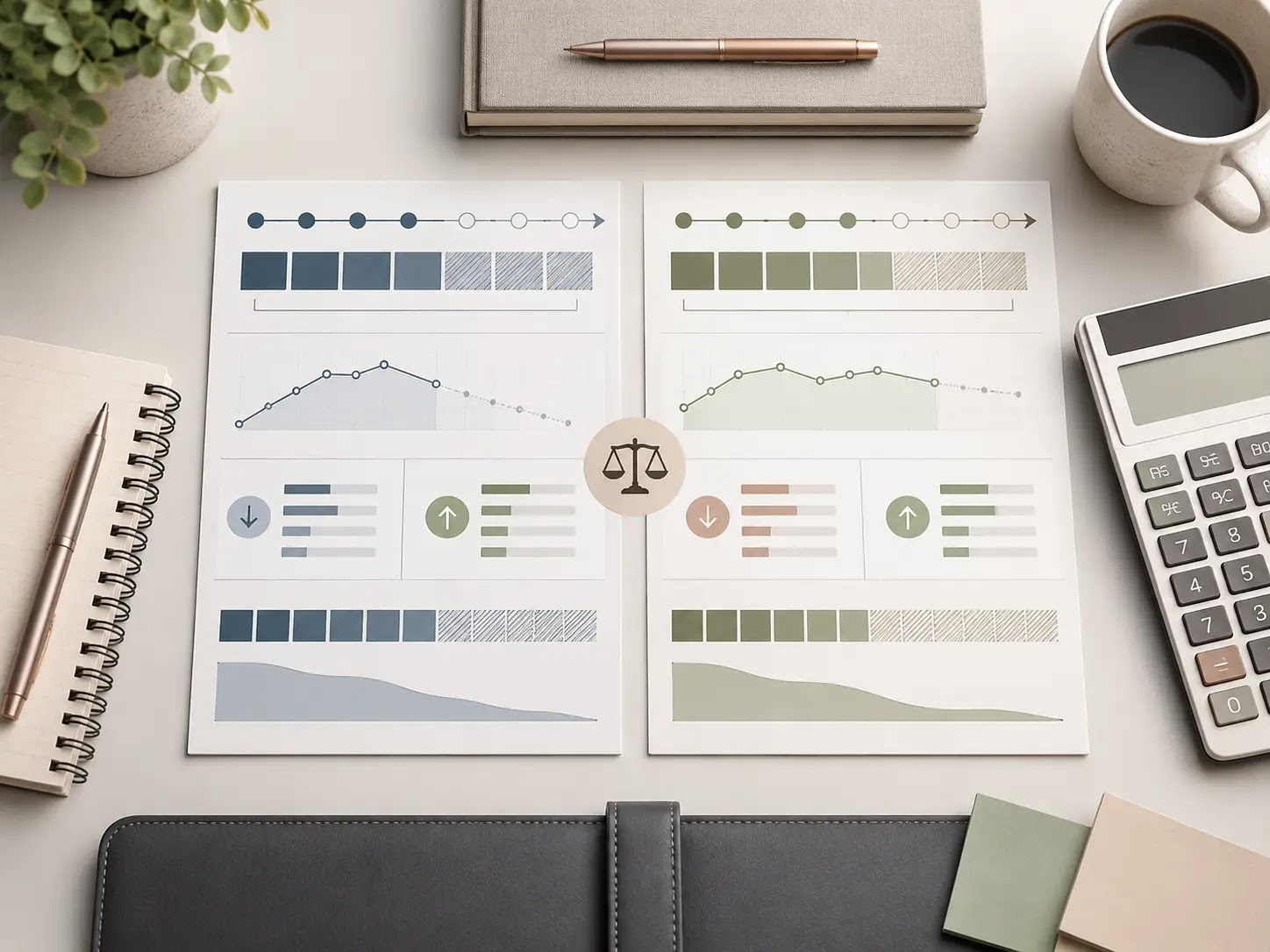
Conservative case
Assume slower machine ramp-up, more service calls, weaker cash sales, and higher replenishment time. This is the view that protects the plan if early locations underdeliver.
Base case
Assume your current route logic, staffing plan, and vendor terms hold steady. This is the version that should match the lender packet and working model.
Upside case
Assume stronger placement quality, tighter route density, or better product mix. Use this only as a planning stretch case, not the core borrowing case.
Common planning risks to verify before you finalize the loan package
| Planning risk | Why it matters | Assumption affected | How to verify |
|---|---|---|---|
| Location performance is weaker than expected | Some sites generate steady traffic while others do not, even within the same route | Unit sales per machine and revenue per stop | Review location history, traffic pattern, and site owner feedback |
| Commission or placement terms are less favorable | Higher site payments reduce margin and can change route economics | Gross margin and net cash flow | Confirm current vendor and lease terms in writing |
| Repair and downtime are higher than planned | Service interruptions can reduce sales and increase labor or parts expense | Maintenance reserve and operating expense | Review machine age, service history, and technician availability |
| Inventory turnover is slower or product mix changes | Stale or poorly matched inventory ties up cash and can weaken sales | Working capital and inventory budget | Track product movement by machine and compare against prior orders |
| Route mileage is higher than expected | More drive time raises fuel, labor, and refill efficiency pressure | Route cost per stop and staffing need | Map the route, measure stop spacing, and estimate drive time realistically |
| Card reader and software costs are underestimated | Payment processing, monitoring, and software can affect ongoing margins | Operating expenses and payment mix | Request current vendor terms and fee schedules |
Local verification matters
Local rules, costs, vendor terms, lease terms, and financing conditions vary by market and should be checked with current local sources before you rely on any assumption in the model. That includes location agreements, equipment pricing, route access, service expectations, insurance requirements, and lender terms.
Once these risks are identified and verified, the final action checklist can turn them into lender-ready next steps for documents, assumptions, and funding package cleanup.
What should you do next with this vending machine SBA loan plan?
The practical path is simple: confirm the route you want to build or buy, verify the location terms that affect commissions and access, pressure-test the revenue and repair assumptions, and make sure the funding request covers equipment, inventory, software, mileage, and working capital. If the numbers still work after those checks, you have the basis for a lender-ready package.
For U.S. vending machine founders and buyers, the goal is not just getting approved on paper. It is building a plan that can handle real route performance, service trips, and uneven early cash flow.
Decision readiness scorecard
| Readiness item | What “ready” looks like | Why it matters |
|---|---|---|
| Machine and route plan | You know whether you are starting from scratch, buying a route, or adding machines to existing stops. | It changes the capital needed and the timing of cash flow. |
| Location assumptions | You have documented commission terms, access expectations, and service constraints from each stop. | Location quality and terms shape revenue and margin. |
| Operating cost model | You have included inventory, repairs, mileage, software, payment processing, and replenishment labor. | These costs determine whether the route can support debt service. |
| Working capital cushion | You have enough room for slow ramp-up, maintenance, and inventory restocking. | Early underfunding is a common failure point. |
| Lender package | You can explain the business plan, financial model, pitch deck, and supporting checklist in a clear sequence. | A clean package helps others review the opportunity faster. |
Next planning steps
- Confirm whether the opportunity is a startup, acquisition, or expansion.
- Collect location-specific terms for each machine stop and note any open items.
- Update the financial model with route mileage, inventory turns, repairs, and commission assumptions.
- Check whether the funding request includes equipment, initial inventory, software, and operating cash.
- Review the pitch deck and checklist so the story, numbers, and execution plan match.
- Verify local pricing, lease terms, vendor terms, and lender requirements with current sources before submitting.
If you want to turn the idea into a lender-ready package, a business plan, financial model, pitch deck, checklist, and startup toolkit can help organize assumptions, compare scenarios, and document the plan for partners, lenders, landlords, or advisors.
Final takeaway: for a U.S. vending machine founder or buyer, the strongest SBA loan plan is the one that clearly connects machines, locations, mileage, repairs, inventory, and working capital into one defensible funding story.


