
Vending Machine Sales Tax and Revenue Reporting Basics
A practical U.S. planning guide for vending machine sales tax and revenue reporting basics, built for founders, buyers, and operators comparing assumptions before committing capital.

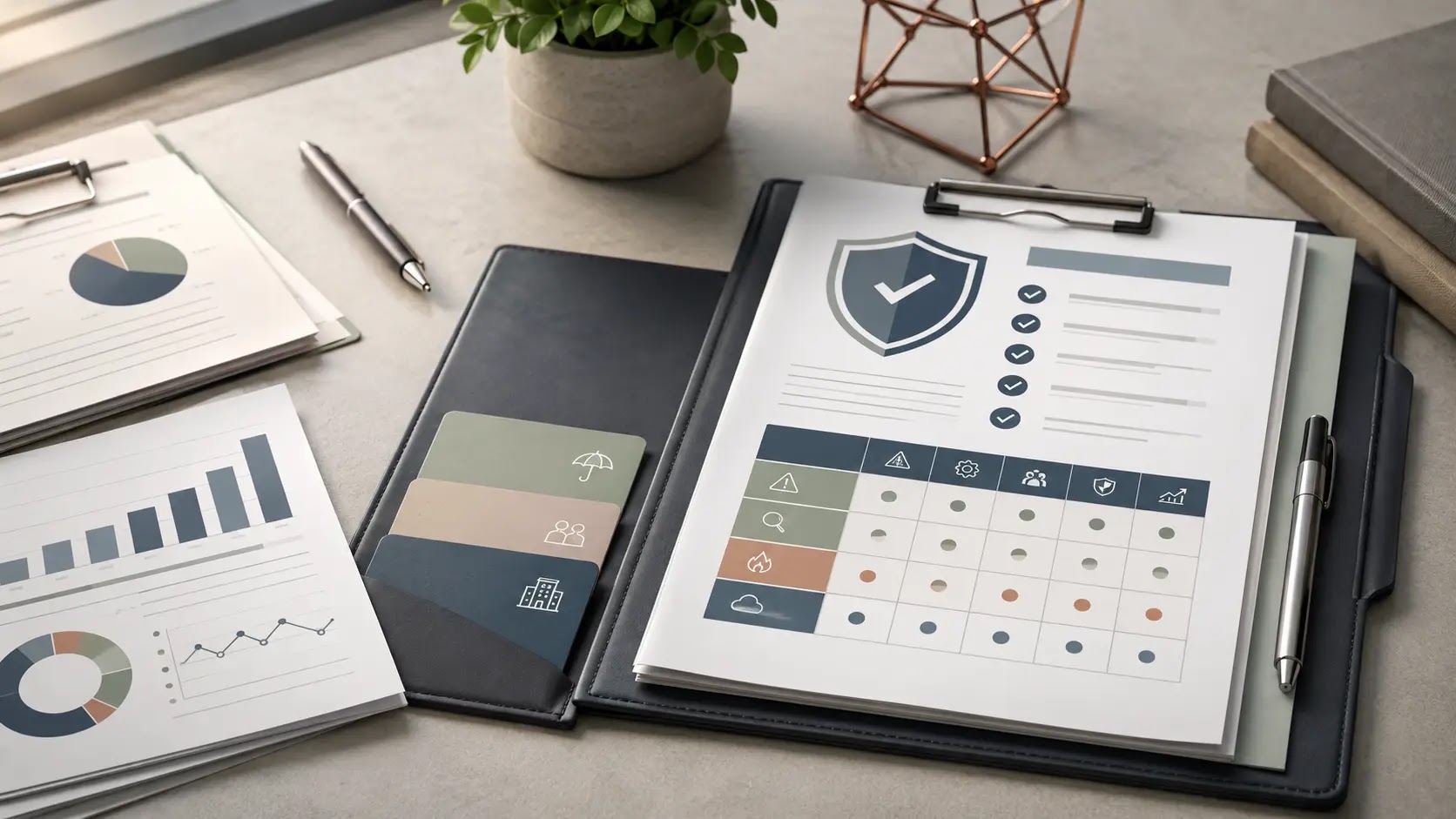
What do vending machine sales tax and revenue reporting basics mean for a U.S. operator?
For a vending machine founder or buyer, the practical question is not just whether sales tax applies. It is how the local rules treat your product mix, machine locations, and filing obligations, and how your reporting system will capture gross sales accurately enough to support tax filings, lender questions, and day-to-day oversight.
That matters early because vending economics depend on small-margin transactions, route efficiency, and cash flow discipline. If you undercount taxable sales, miss a filing, or fail to separate gross revenue from commissions, repairs, refunds, and service costs, your numbers can become hard to trust when you are evaluating a purchase, seeking funding, or planning a launch.
In practice, the “answer” is local and operational: you need to confirm the tax treatment for the specific jurisdiction, the machine type, and the way you record sales across cash, card, and software reports. You also need a reporting structure that ties machine-level sales to inventory usage, route mileage, and working capital needs.
Quick decision frame
| What the reader is deciding | How to set up sales tax and revenue reporting so the vending business stays organized, financeable, and easier to audit or review. |
|---|---|
| What must be verified locally | Sales tax rules by state and locality, filing and registration requirements, machine-location rules, and any reporting or recordkeeping standards that affect your operation. |
Which assumptions change the answer most?
- Lease or location agreement terms that affect commissions, access, and who controls reporting data
- Equipment type, payment systems, and whether cash, card, or telemetry data is available
- Labor assumptions for route service, reconciliation, and filing support
- Menu economics, including which items are sold and how that affects tax treatment
- Permit and registration needs that vary by market and location
- Working capital for tax timing, inventory buys, repairs, and replenishment
- Funding readiness if a lender, investor, or buyer will review the reporting trail
Next, use those local inputs to build a practical reporting framework that shows where tax, revenue, and operating assumptions connect.

How should a vending founder document sales tax and revenue reporting assumptions?
For a U.S. vending machine business, the practical planning task is not just “do I collect tax?” It is to document which locations, products, and reporting methods create tax, filing, and insurance obligations so the numbers in your business plan and operating model match how the route will actually run.
What should be verified at the machine and location level?
| Planning area | Question to answer | Input to collect | Model impact | Verification source |
|---|---|---|---|---|
| Sales tax registration | Where do you need to register before collecting or remitting tax? | Machine locations, operating entity, states and local jurisdictions | Startup timing, compliance setup cost, launch readiness | State department of revenue, local tax office, CPA or bookkeeper |
| Taxable product mix | Which items in the machine are taxable, exempt, or treated differently by location? | SKU list, package size, beverage or snack categories, location type | Net revenue, tax liability, gross-to-net conversion | Current local tax guidance and product classification rules |
| Revenue capture method | How will you document cash, card, app, and mixed-payment sales? | Cash count process, telemetry reports, card settlement reports, bank deposits | Revenue recognition timing, shrinkage assumptions, reconciliation controls | Vending management software, payment processor reports, bank statements |
| Return and refund handling | How will refunds, free vend events, and spoilage be recorded? | Policy for voids, comped items, machine error logs, spoilage write-offs | Reported revenue, margin, audit trail quality | Internal operating policy, software logs, route reconciliation sheets |
| Location agreement terms | Does the site host require tax reporting detail, commission reporting, or certificates? | Commission rate, settlement cycle, reporting frequency, certificate requests | Gross margin, cash flow timing, admin workload | Signed location agreement, site host addendum, landlord or property manager |
| Insurance requirements | What coverage does the property owner, lender, or contract require? | Certificate wording, coverage limits, additional insured request, deductible | Operating overhead, launch date, vendor terms | Insurance broker, site host, lender checklist, lease or placement agreement |
| Reporting cadence | How often will you reconcile sales, tax, commissions, and deposits? | Weekly or monthly close process, route schedule, cash pickup frequency | Working capital needs, labor planning, admin time | Accounting workflow, route software, bank deposit records |
How should a founder move from research to documented assumptions?
- List every planned machine location and capture the state, city, and site type for each one.
- Separate the product mix by machine so you can test whether sales tax treatment differs by item category or location.
- Choose the reporting method you will actually use: cash counts, card settlements, telemetry, and bank deposit reconciliation.
- Write down who is responsible for filings, remittances, and recordkeeping if the business uses a bookkeeper, CPA, or route manager.
- Collect the insurance and placement requirements from each site host before you count a machine as launch-ready.
- Put commission terms, reporting frequency, and certificate requests into the same assumptions sheet as revenue and tax inputs.
- Convert the compliance plan into model inputs for admin time, software, banking fees, insurance, and any launch delays.
- Save every source document so the business plan, lender package, and pitch deck rest on the same assumptions.
Once these inputs are documented, the next step is to test how tax timing, reporting lag, commissions, and insurance costs affect route cash flow, margins, and working capital assumptions.
What planning risks change vending machine sales tax and revenue reporting?
For a vending machine operator, the main planning issue is not just whether sales are taxed, but whether the way you sell, collect, and record revenue matches how your local rules and reporting systems expect you to report it. A single route can mix cash sales, card sales, taxable items, exempt items, and commissions from placements, so the reporting burden is often driven by machine mix and record quality rather than the number of machines alone.
The practical tradeoff is simple: the more automated your collection and inventory data, the easier it is to separate gross sales, taxes collected, service commissions, and true operating income. The less automated the route, the more you must rely on manual logs, settlement reports, and reconciliation discipline. That affects lender confidence, buyer diligence, and how credible your revenue assumptions look in a pitch deck or operating model.
For startup and acquisition planning, treat tax reporting and revenue reporting as separate controls that must reconcile. Revenue may be recorded one way in your accounting system, while tax collected, machine payouts, and product cost flow through different reports. If those layers do not line up, the business can look more profitable on paper than it is in practice.
Scenario: cash-heavy route
Higher reconciliation risk, more manual counting, and more dependence on route sheets, service logs, and deposit records. This can affect your assumption for shrink, labor time, and accounting cleanup.
Scenario: cashless or telemetry-enabled route
Cleaner sales reporting and easier trend review, but software, processing fees, equipment compatibility, and contract terms become more important. This can affect net margin assumptions and vendor cost estimates.
Which risks should you verify before relying on your numbers?
| Planning risk | Why it matters in vending | Assumption affected | How to verify |
|---|---|---|---|
| Mixed taxable and non-taxable items | Different products may be treated differently for reporting and tax collection | Net revenue, tax liability, and product mix margin | Review product classifications with current local sources and your accountant |
| Cash and card sales recorded in different systems | Reconciliation gaps can distort daily sales and collection totals | Revenue timing, shrink, and reporting accuracy | Match settlement reports, cash counts, and accounting entries by route and machine |
| Machine commissions or location splits | Some placements require a revenue share that changes reported gross-to-net results | Gross margin and location profitability | Check location agreements and confirm how commissions are calculated and documented |
| Repair, spoilage, and downtime | Broken machines and expired inventory reduce collectable sales and may raise service costs | Working capital, route labor, and revenue forecast | Use service logs, inventory counts, and downtime history from the machine or seller |
| Software or telemetry reporting errors | Automated reports can still be incomplete if settings, device links, or access are wrong | Forecast accuracy and lender-ready reporting | Reconcile platform reports against bank deposits and physical counts |
Local verification matters: sales tax treatment, filing cadence, local reporting rules, permit requirements, vendor terms, lease terms, insurance requirements, and financing conditions vary by market and should be checked with current local sources before you rely on a revenue forecast or compliance assumption.
Use these risks as the bridge from “what might be taxable?” to “what must be documented to make the business financeable and operable?” The next step is a short action checklist that converts these assumptions into the specific records, questions, and verification steps you should complete before launch, acquisition, or lender review.
What should you do next after reviewing vending machine sales tax and revenue reporting basics?
The practical takeaway is simple: treat sales tax handling and revenue reporting as a recordkeeping problem first, then a filing problem. For a vending machine business, that means confirming how your state and local rules apply, tracking machine-level sales and cashless receipts, and keeping reports that tie back to deposits, commissions, inventory, and route activity.
If you are buying, funding, or launching, the decision path is to verify the local tax treatment, choose a reporting workflow you can actually maintain, and document the assumptions that affect cash flow and compliance. That gives you cleaner operating records, better lender or investor conversations, and fewer surprises when returns or audits come up.
Readiness scorecard
| Readiness item | What “ready” looks like |
|---|---|
| Sales tax setup | You have verified how the jurisdiction treats vending sales, exemptions, and filing cadence. |
| Revenue capture | Cash and cashless sales are tracked by machine, route, or location in a way you can reconcile. |
| Deposit matching | Deposits, cash counts, and processor reports can be tied back to recorded sales. |
| Contract visibility | Commissions, service terms, and location agreements are documented and included in your model. |
| Working capital | You have planned for tax remittances, inventory purchases, repairs, software, and route expenses. |
| Record retention | Invoices, reports, and supporting records are stored in a way that helps with tax prep and review. |
Next-step checklist
- Confirm how your state and local rules apply to vending sales and reporting.
- Decide how you will capture machine-level sales, cashless payments, and deposit totals.
- List the contracts and fees that affect net revenue, including commissions and servicing terms.
- Build a simple monthly reconciliation process for sales, inventory, repairs, and mileage.
- Set a filing and document-retention calendar before opening or buying the route.
- Review whether your assumptions are strong enough for a lender, partner, or buyer discussion.
A business plan, financial model, pitch deck, checklist, and startup toolkit can help you organize these assumptions, compare scenarios, and document the plan for partners, lenders, landlords, or advisors.
Final takeaway: for a U.S. vending machine founder or buyer, sales tax and revenue reporting are not just back-office tasks; they shape cash flow, planning accuracy, and how credible your business looks when it is time to launch, acquire, or finance the route.


