
Vending Machine Rent-to-Revenue Planning Guide
A practical U.S. planning guide for vending machine rent-to-revenue planning guide, built for founders, buyers, and operators comparing assumptions before committing capital.

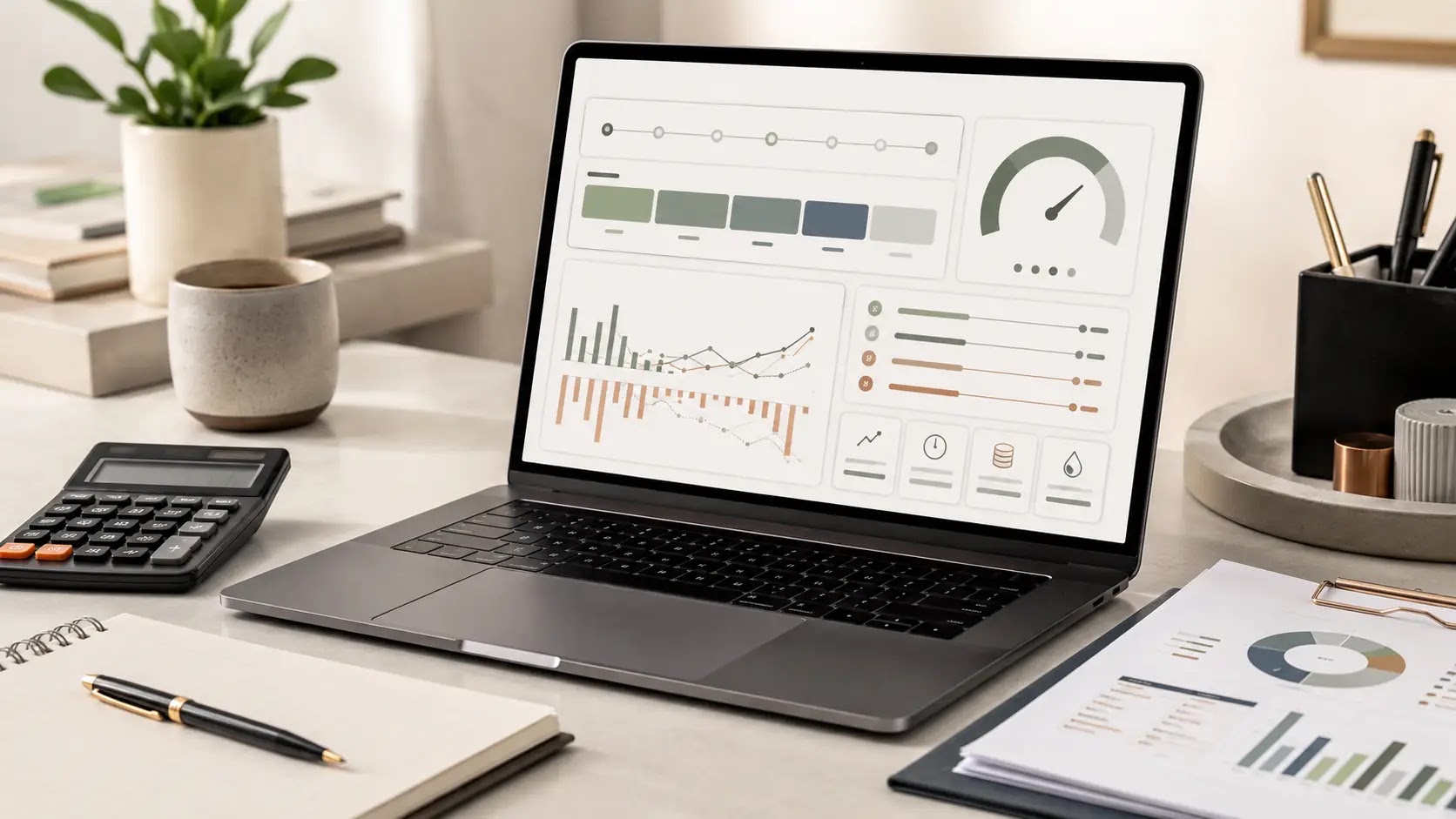
Can a vending machine location support profitable rent-to-revenue economics?
For a U.S. vending machine buyer or founder, the core decision is whether a specific location can produce enough sales to cover placement terms, inventory, service trips, repairs, payment processing, and route labor while still leaving owner earnings. The answer is usually location-specific, not generic.
A machine can look attractive on paper and still underperform if the commission, rent, or service distance is too high. The practical test is whether local revenue per machine can support the full operating load of the route, including working capital for inventory and cash flow timing.
Before you buy, lease, or fund the route, document the assumptions that drive your model: sales volume, product mix, fill frequency, breakage/shrink, and the actual terms offered by the site owner or vendor.
| What the reader is deciding | What must be verified locally |
|---|---|
| Whether a vending machine site can generate enough revenue to justify the location terms and route effort. | Traffic, placement or commission terms, product pricing, route distance, service frequency, repair exposure, and current vendor costs. |
- Lease/buildout: site access, power, floor space, and any landlord or host requirements.
- Equipment: machine type, age, reliability, payment systems, and replacement reserve.
- Labor: restocking time, route mileage, service frequency, and any driver or attendant support.
- Menu economics: product mix, gross margin by item, spoilage, and shrink risk.
- Permits: local operating, health, or business requirements that may apply to the location or products.
- Working capital: cash for inventory, change, refills, repairs, and slow-start periods.
- Funding readiness: whether the assumptions are documented well enough for a lender, landlord, or partner review.
Next, the practical framework breaks these assumptions into the specific inputs you should collect before you model revenue or make an offer.

How should you structure the rent-to-revenue model for a vending route?
Which unit-economics inputs matter most before you forecast profit?
For a U.S. vending machine route, the practical framework starts with location economics, then works down to the machine level. The goal is to document the inputs that actually move revenue, gross margin, and cash needs: site rent or commission, traffic quality, product mix, service frequency, route mileage, payment fees, repairs, and inventory carry.
| Planning area | Question to answer | Input to collect | Model impact | Verification source |
|---|---|---|---|---|
| Location rent or commission | What does the site require in monthly rent, commission, or revenue share? | Proposed site terms, payment timing, any minimums, and whether terms change with sales volume | Directly changes gross margin and break-even sales per machine | Signed site agreement, landlord proposal, or written offer |
| Machine sales capacity | How much sales volume can each machine realistically produce at this site? | Expected vend count, average price per vend, product mix, and refill frequency | Drives top-line revenue and inventory turns | Comparable site history, test placement results, or route logs |
| Product cost and mix | What will the stocked items cost delivered? | Supplier quotes, case pack sizes, freight or delivery charges, and spoilage risk | Sets cost of goods sold and contribution margin | Distributor quotes, invoices, and current purchase orders |
| Route mileage and service time | How many stops can be served efficiently, and what does each stop cost in time and fuel? | Route map, drive time, stop time, refill frequency, fuel cost assumptions | Affects labor, vehicle expense, and route density economics | Route plan, GPS logs, and driver records |
| Payment mix and fees | How much sales will be cash versus cashless? | Card reader adoption, processor terms, network fees, and settlement timing | Changes net revenue and cash timing | Processor contract and reader vendor terms |
| Repairs and uptime | How often will the machine need service, parts, or replacement? | Repair history, warranty coverage, parts lead times, and expected downtime | Impacts maintenance expense and lost sales from downtime | Service records, seller disclosure, or technician estimates |
| Inventory working capital | How much cash must be tied up in inventory and change management? | Starting fill cost, reorder timing, shelf life, and replenishment cadence | Determines upfront cash need and operating liquidity | Supplier lead times, initial stocking list, and inventory counts |
What workflow helps a founder move from site research to documented assumptions?
- Map each target site to a revenue case. Separate high-traffic, moderate-traffic, and low-traffic locations so the model does not assume one generic machine profile.
- Document the site compensation structure. Capture whether the arrangement is rent, commission, or revenue share, and note when payments are due.
- Estimate machine-level demand. Record the expected vend rate, product categories, and any seasonality that changes sales volume.
- Build delivered cost assumptions. Include supplier pricing, freight or delivery charges, and any product losses from spoilage or expired stock.
- Lay out route economics. Add mileage, service time, labor allocation, fuel, and vehicle costs so the route is not overstated on margin.
- Capture repair and payment processing inputs. Note likely maintenance spend, cashless fees, and downtime risk by machine type.
- Set working-capital needs. Estimate how much cash is needed for starting inventory, spare parts, floats, and the first refill cycle.
- Convert assumptions into a source log. Keep each input tied to a quote, contract, invoice, route record, or comparable site note so the model can be revised quickly.
What should you verify before treating the framework as decision-ready?
- Site terms are written and specific enough to model rent or commission correctly.
- Revenue assumptions reflect machine type, placement quality, and refill cadence.
- Product costs include delivery and any fees that affect delivered margin.
- Route mileage and service time are based on real stops, not a best-case estimate.
- Repair and downtime assumptions are tied to the machine’s actual condition and service history.
- Inventory and cash reserves are large enough to cover stocking, change, and replenishment timing.
Next, Block 3 turns these documented inputs into scenario ranges, margin tradeoffs, and break-even checks for a practical financial model.
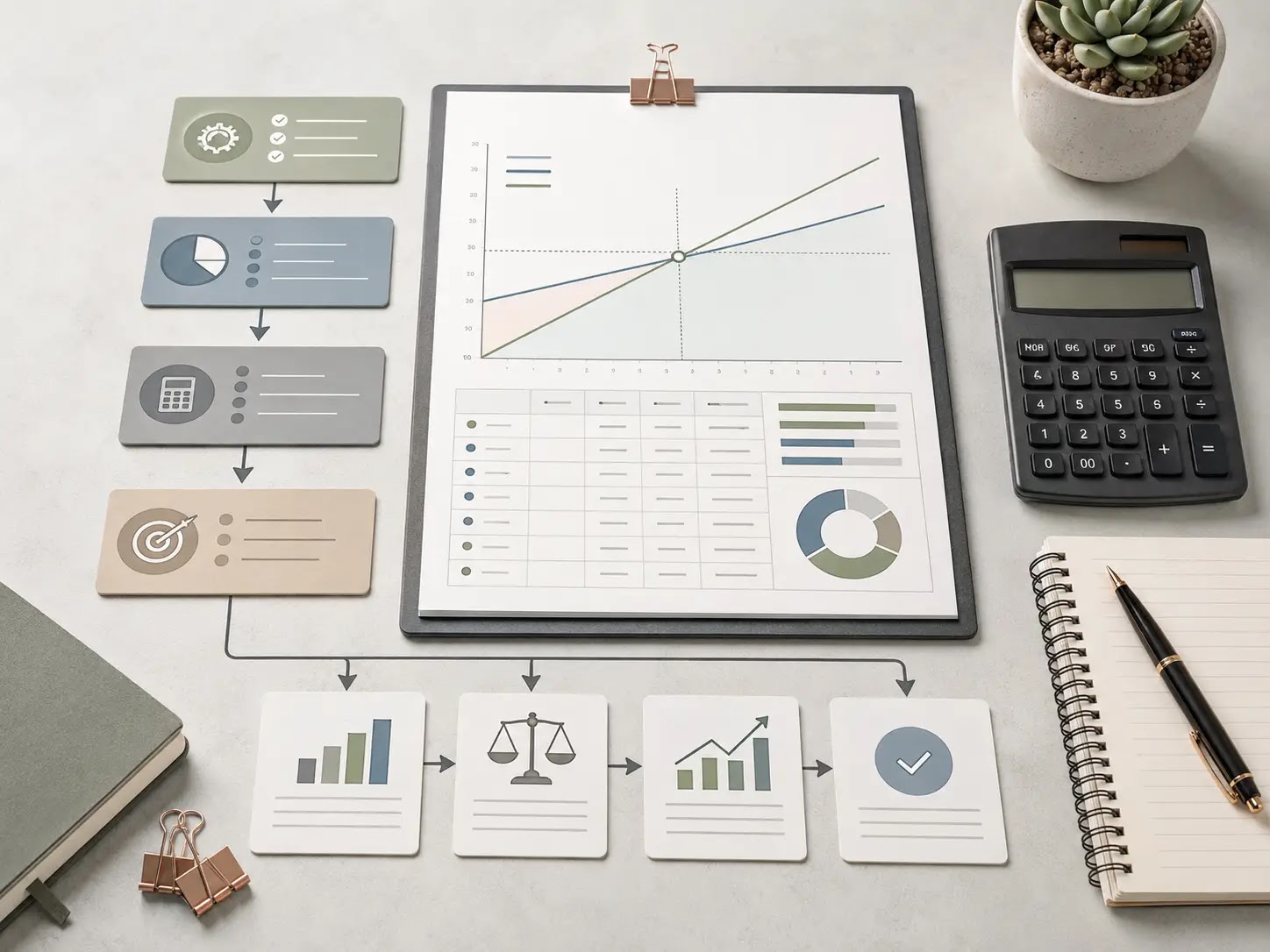
What happens to the model if sales, commissions, or downtime move?
For a vending machine business, the biggest planning error is usually not the machine price itself. It is assuming steady sales before you have verified location traffic, product mix, commission or rent terms, and service frequency. A workable model should test how much revenue each machine or route needs to carry fixed costs, how much working capital you need before cash flow stabilizes, and how quickly a soft location can turn a “good” deal into a funding gap.
Where the model usually breaks
Profitability can look fine on paper even when the real issue is cash timing. Inventory must be bought before it sells, repair and maintenance costs are irregular, and location commissions or rent can take a larger share of sales than the first draft assumes.
- Revenue risk: machine sales may be lower than assumed if traffic, hours, or category mix are weaker than expected.
- Margin risk: product cost can rise, which compresses gross margin even if top-line sales hold up.
- Access risk: route mileage, labor coverage, and downtime can reduce the number of profitable stops per day.
- Cash risk: startup inventory, deposits, repairs, and replenishment can create a funding need before break-even.
Assumptions that matter most
Use current quotes and verified local terms, not generic industry rules, for these inputs:
- machine purchase or lease cost
- initial inventory and refill cost
- location commission, rent, or revenue share
- service frequency, fuel, and route mileage
- repair reserve and downtime allowance
- payment processing, software, and monitoring fees
- labor coverage for stocking, repairs, and collections
Illustrative calculator: what should you plug into the plan?
| Planning item | Illustrative input to replace | Simple formula | Why it affects the decision |
|---|---|---|---|
| Startup cash need | Machine cost, install, initial inventory, deposits, route setup, working capital buffer | Total startup cash need = all opening cash uses | Shows how much funding you need before the route becomes self-supporting |
| Monthly gross profit | Monthly sales and product cost percentage | Gross profit = sales minus product cost | Measures how much is left to cover rent, fuel, labor, repairs, and software |
| Monthly fixed cash costs | Commission or rent, fuel, software, insurance, admin, repair reserve, debt service | Fixed cash burn = recurring non-inventory costs | Defines the minimum revenue level the route must support |
| Break-even sales | Gross margin percentage and fixed cash burn | Break-even sales = fixed cash burn ÷ gross margin % | Shows the sales volume needed just to cover operating costs |
| Cash runway | Available working capital and monthly cash burn | Runway months = working capital ÷ monthly cash burn | Helps judge whether you can survive slow ramp-up or weak locations |
| Funding gap | Startup cash need and available cash or financing | Funding gap = startup cash need minus available sources | Shows whether the project needs more equity, debt, or a smaller launch scope |
Scenario pressure test: what changes the economics fastest?
| Scenario | Sales assumption | Margin assumption | Cost assumption | Planning takeaway |
|---|---|---|---|---|
| Conservative | Lower-than-expected sales per machine or stop | Compressed gross margin | Higher repairs, fuel, or commission | Tests whether the business still survives a weak location or slow ramp-up |
| Base case | Current best estimate from verified location data | Normal product mix | Typical operating burden | Best used for lender, partner, or investor discussion |
| Upside | Stronger traffic or better mix | Stable margin | Lower downtime or route inefficiency | Shows room for scaling, but should not be used as the only plan |
Tradeoffs to watch
- Lower route density can reduce commissions but increase mileage and labor time.
- More premium pricing can improve revenue per sale but may reduce unit velocity.
- Carrying more inventory can support sales but ties up working capital.
- Buying more machines can raise revenue potential but also raises repair and coverage needs.
Funding-readiness angle
If you are using this model for a lender, landlord, or partner conversation, make sure the assumptions tie back to current vendor quotes, route estimates, and documented location terms. A clean pitch deck is stronger when the economics are traceable to real inputs rather than optimistic averages.
What should you do next before you buy or launch a vending route?
Practical recap: A vending machine plan works when the route can cover machine costs, inventory, rent or commissions, route mileage, repairs, software, and working capital without relying on optimistic sales. The decision is not just whether a machine can sell, but whether the location mix, refill frequency, and operating discipline can support durable owner earnings after overhead.
Before you commit, verify the local inputs that shape revenue and margin: location traffic, customer mix, commission terms, machine price and condition, card reader and software fees, inventory shrink, maintenance response time, and how much cash you need to keep the route running while sales stabilize.
Decision checklist: are you ready to move from idea to purchase?
| Readiness item | What to confirm | Why it matters |
|---|---|---|
| Location economics | Estimated traffic, commission or rent terms, and access hours | Drives gross sales and the amount left after location cost |
| Machine condition | Age, service history, payment system, and repair risk | Impacts downtime, maintenance expense, and launch timing |
| Inventory plan | Product mix, restock cadence, spoilage risk, and cash tied up in stock | Shapes margin and working capital needs |
| Route efficiency | Drive time, stop clustering, and refill schedule | Affects labor, fuel, and whether the route scales cleanly |
| Payment and software stack | Card reader, telemetry, and software terms | Influences convenience, reporting, and recurring fees |
| Cash reserve | Funds for inventory, repairs, replacements, and slow starts | Prevents a short-term sales dip from becoming an operating problem |
Next planning steps
- Collect the actual machine purchase or acquisition details, including condition, included equipment, and any service obligations.
- Confirm each target location’s commission or rent structure and the access rules that affect servicing.
- Map route mileage and stop order so labor, fuel, and time on site are visible before you scale.
- List recurring operating costs separately: inventory, repairs, card fees, software, insurance, and replacement parts.
- Build at least one conservative case and one downside case so you can see how thin the margin gets if sales are slower than planned.
- Keep enough working capital to cover restocking and early repairs without depending on immediate cash flow.
- Verify local prices, vendor terms, lease terms, and any market-specific requirements with current sources before signing or buying.
Final takeaway: For a U.S. vending machine founder or buyer, the right decision comes from proving that the route can earn after commissions, inventory, repairs, and miles traveled—not just after gross sales look attractive on paper.


