
Vending Machine Rent, Utilities, and Fixed Cost Planning
A practical U.S. planning guide for vending machine rent, utilities, and fixed cost planning, built for founders, buyers, and operators comparing assumptions before committing capital.

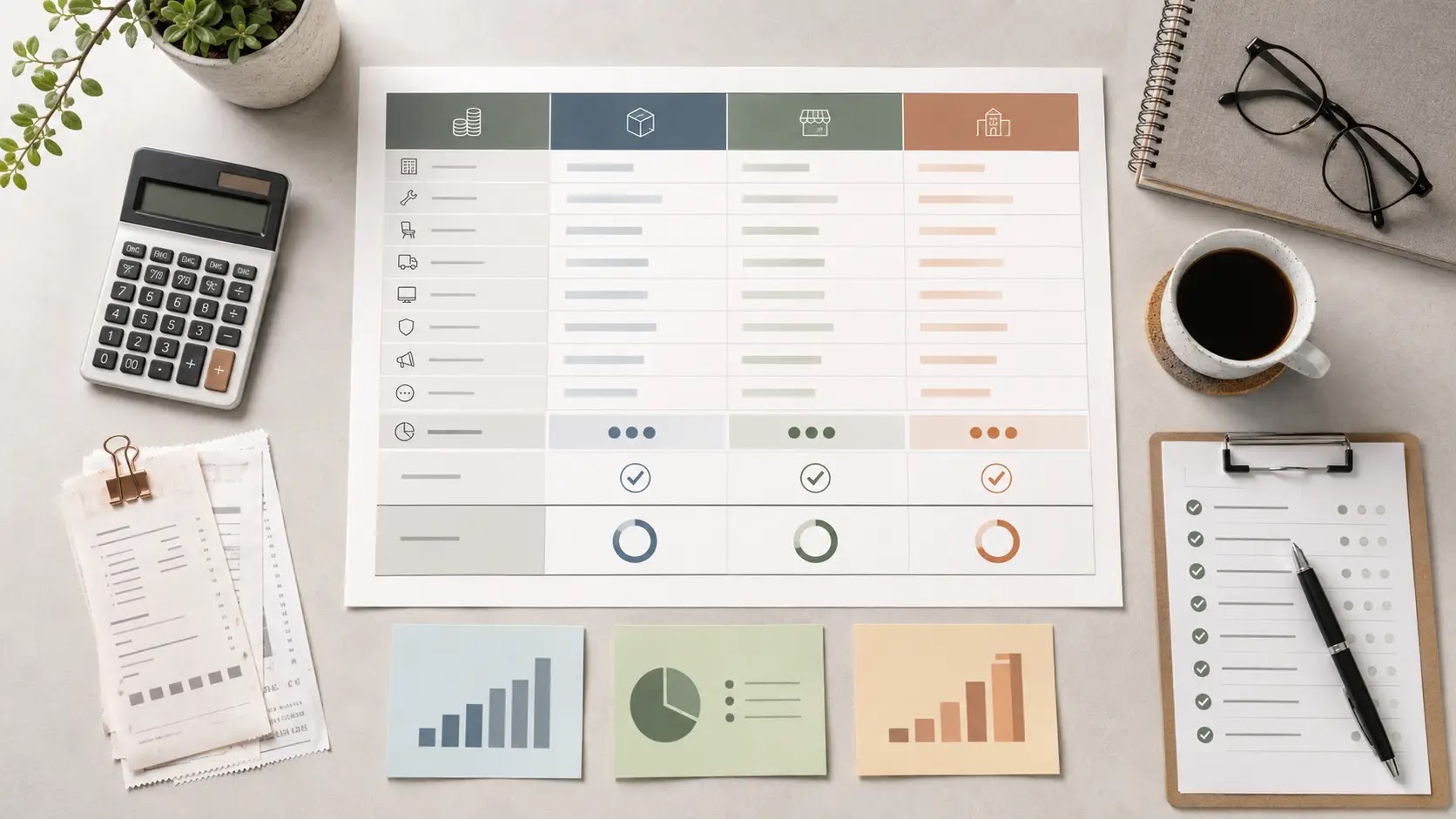
How do rent, utilities, and fixed costs shape a vending machine startup budget?
If you are buying or launching a vending machine business, the practical question is not just the machine price. It is whether the location terms, utility burden, service costs, and working capital needs still leave enough room for a workable route. Rent, commissions, repairs, inventory, mileage, and software can change the budget faster than the equipment line item alone.
For U.S. vending founders and buyers, the first pass should separate fixed costs from variable operating costs and then test the location economics. A machine placed in a strong site can still underperform if the lease terms, service frequency, or restocking logistics are too expensive for the expected sales volume.
This section focuses on the startup budget lens: what you are deciding, what needs local verification, and which assumptions should be documented before you build a plan, seek funding, or negotiate a route purchase.
| What the reader is deciding | What must be verified locally |
|---|---|
| Can the route or location support rent, utilities, and operating overhead? | Site-level lease terms, commission structure, utility responsibility, and any minimum payment requirements |
| What startup cash is needed beyond the machine purchase? | Equipment condition, install needs, initial inventory, service supplies, travel burden, and reserve cash for repairs and restocking |
| Is the plan fundable and operationally realistic? | Local market pricing, supplier terms, route density, and the working capital needed to support launch and early operations |
- Lease and buildout assumptions: rent, commissions, space limits, power access, and placement terms.
- Equipment assumptions: machine purchase price, condition, delivery, installation, and repair reserve.
- Labor and service assumptions: restocking time, route mileage, technician help, and vendor service terms.
- Menu economics: product mix, spoilage risk, pricing power, and gross margin by machine.
- Permits and local rules: site approvals, health or city requirements, and any market-specific operating limits.
- Working capital and funding readiness: cash for inventory, fuel, maintenance, and early-stage ramp-up.
Next, the practical framework breaks these inputs into a simple planning structure so you can test the budget before committing capital or signing a location agreement.
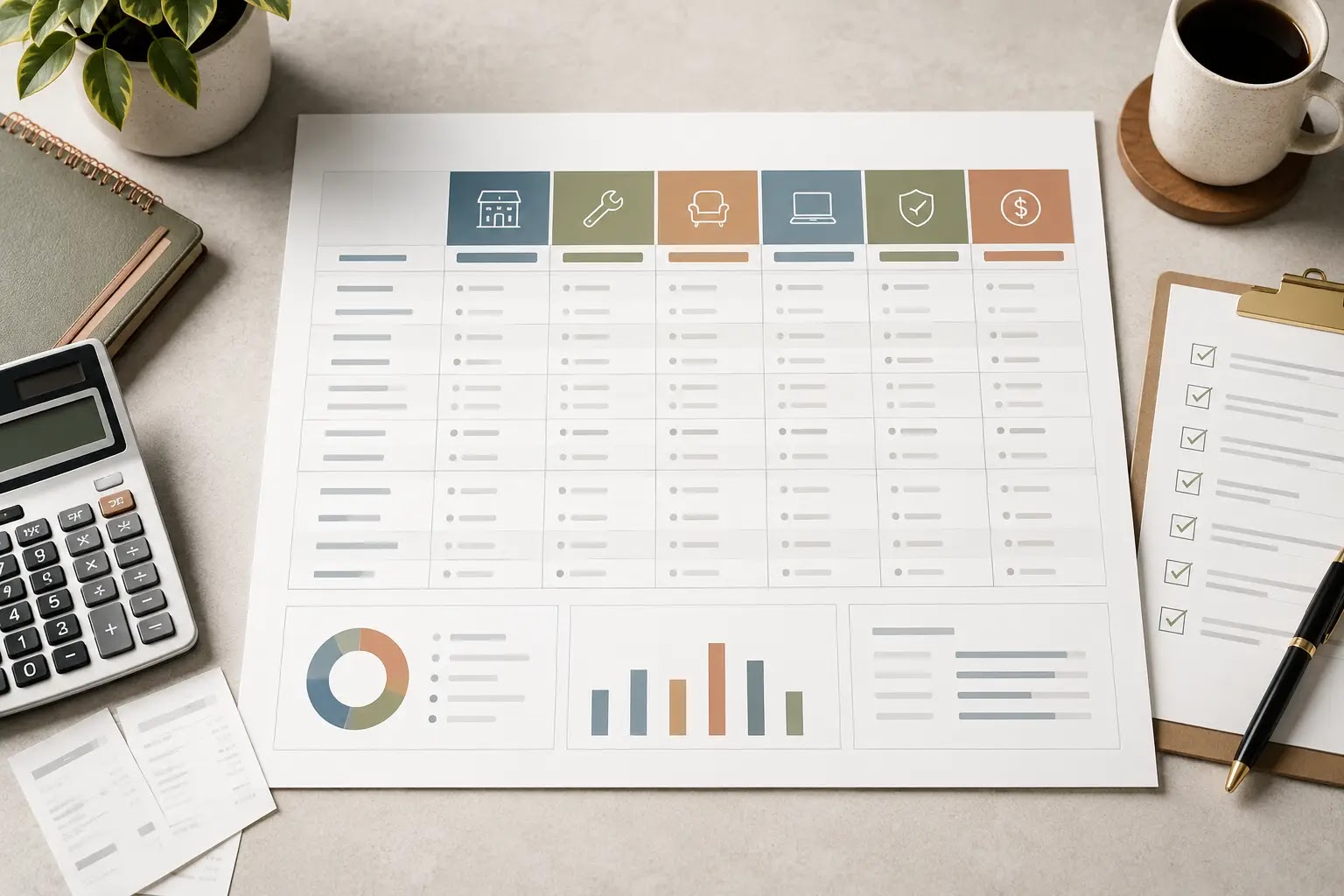
How should a vending machine founder structure rent, utilities, and fixed-cost assumptions?
For startup-cost planning, the goal is to separate site costs, machine operating costs, and business overhead before you build the financial model. That keeps lease discussions, route planning, and funding readiness tied to documented inputs rather than rough estimates.
Which cost buckets should be documented first?
| Planning area | Question to answer | Input to collect | Model impact | Verification source |
|---|---|---|---|---|
| Location rent or commission | Does the site require a fixed rent, a revenue share, or both? | Quoted monthly rent, commission structure, payment timing, and any minimum guarantee | Directly affects fixed cost, gross margin, and break-even sales needed per machine | Site agreement, landlord or operator quote, written term sheet |
| Electricity | Who pays for power used by the machine? | Estimated monthly power charge, metering method, and whether the site bills it separately | Raises operating cost and may change the economics of low-traffic placements | Utility bill allocation, site manager confirmation, electrician estimate if needed |
| Water, internet, or specialty services | Does the machine need any site-paid services beyond power? | Service responsibility, monthly fee if any, and installation requirements | Creates additional recurring cost or startup installation expense | Vendor quote, site requirements, equipment specification sheet |
| Route mileage and travel time | How much does it cost to service the route each month? | Estimated miles, driver time, fuel assumption, parking fees, and service frequency | Changes delivery, refill, and maintenance cost per route or per stop | Route map, service schedule, fuel receipts, mileage log |
| Repairs and maintenance reserve | What recurring reserve is needed for breakdowns, parts, and technician visits? | Service plan, expected maintenance cadence, and vendor repair terms | Protects cash flow and keeps the model from understating true operating cost | Equipment quote, service contract, repair history from similar machines |
| Telemetry, software, and card processing | What systems are required to monitor sales and support payment acceptance? | Monthly software fees, gateway charges, hardware requirements, and onboarding fees | Increases recurring fixed cost and affects net contribution per machine | Vendor pricing sheet, processor terms, subscription agreement |
| Working capital buffer | How many months of overhead and route costs should the launch reserve cover? | Planned cash reserve tied to rent, utilities, service, and inventory refill timing | Determines startup cash need and funding readiness | Owner assumption memo, lender discussion, internal cash flow forecast |
How should a founder turn research into documented assumptions?
- Collect site terms first. Ask whether the placement is rent-based, commission-based, or mixed, and record when payments are due.
- Separate site costs from machine costs. Keep location rent, utility responsibility, and route expenses in different lines so the model does not blur fixed and variable spending.
- Document who pays for power and other services. Confirm whether electricity, internet, water, or special access fees are covered by the site or billed to the operator.
- Estimate route service cost by stop. Build assumptions for mileage, driving time, refills, and maintenance visits instead of using one blended overhead number.
- Capture vendor terms in writing. Save quotes for machines, telemetry, payment systems, repairs, and subscriptions so recurring charges can be traced back to a source.
- Set a repair and downtime reserve. Include enough cash to handle missed sales, technician calls, and parts replacement without disrupting the launch plan.
- Check the cash buffer against launch timing. Make sure the startup budget covers rent, route costs, inventory restocks, and other fixed obligations before early sales stabilize.
- Store each assumption in the model notes. Label what is verified, what is estimated, and what still needs a quote so the plan is readable for partners or lenders.
For a U.S. vending machine startup, this framework should produce a clean assumption list that is ready for a pitch deck, lender discussion, or acquisition review. Block 3 can now translate those inputs into scenario-based financial model implications, tradeoffs, and risk checks.
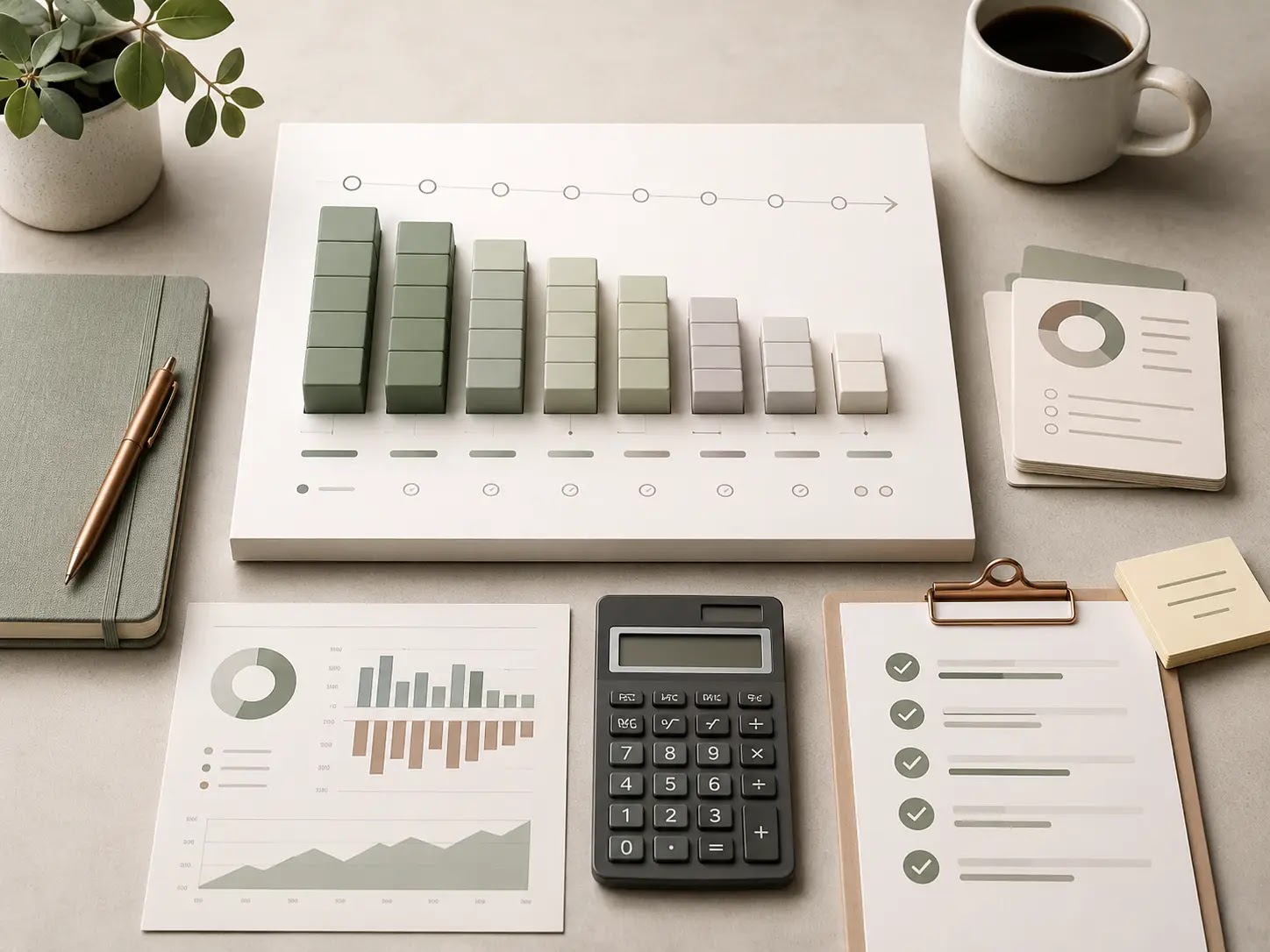
How should you model rent, utilities, and fixed costs in the break-even case?
Why this matters
The planning error in vending is often not the machine purchase itself; it is undercounting the monthly fixed load that keeps the route running. Rent or location commissions, utilities, software, route mileage, repair reserve, and labor coverage can change the break-even point more than the machine count does.
What to model as fixed or semi-fixed
Use a conservative case that treats recurring site charges, telemetry, payment fees, route administration, and maintenance reserve as ongoing cash requirements. If owner labor is doing the work today, also model a paid-labor case so the route still makes sense after hiring support.
Risk and assumption check
- Location rent may be a flat fee, a revenue share, or a hybrid; each one changes break-even differently.
- Utilities can be simple in some sites and more complex where power access, usage rules, or access hours differ.
- Card-heavy sales can improve convenience but increase processing fees and make gross margin assumptions less stable.
- Scattered routes increase mileage, drive time, and labor coverage even when sales per stop look acceptable.
- Repair reserve should reflect the machine mix and service intensity, not just the purchase price.
| Planning item | Formula or question | Input to collect | Model impact |
|---|---|---|---|
| Location rent or commission | What is the monthly site charge, and is it fixed or percentage-based? | Written quote or site agreement | Affects monthly fixed load and break-even sales |
| Utilities and access costs | Who pays for power, and are there any access or handling charges? | Utility estimate and site terms | Raises recurring cash use if not included in rent |
| Telemetry and software | What recurring software, monitoring, or reporting fees apply? | Vendor quote and contract terms | Adds to monthly overhead |
| Payment processing | How much does card usage add to variable cost? | Processor pricing and expected card mix | Changes gross margin and break-even sales |
| Route mileage and labor coverage | How far is the route, and who services the machines? | Route map, travel time, and labor plan | Impacts cash burn and owner time |
| Repair reserve | What monthly amount will you set aside for service and replacement parts? | Machine condition and vendor service terms | Protects the model from surprise downtime |
| Opening inventory and working capital | How much cash is needed to stock, refill, and keep the route operating? | Initial inventory plan and replenishment cycle | Drives startup funding need and runway |
| Output: monthly fixed-cost load | Rent + utilities + software + labor coverage + route admin + repair reserve | Use current quotes and route assumptions | Core break-even input |
| Output: break-even sales | Monthly fixed-cost load ÷ contribution margin rate | Gross margin estimate from your product mix | Shows the sales level required to cover fixed costs |
| Output: cash runway | Available operating cash ÷ projected monthly cash burn | Starting cash and monthly burn estimate | Shows how long the plan can absorb delays or slow ramp-up |
| Output: funding need | Startup outlays + opening inventory + deposits + working capital reserve | Buildout, machine, and launch quotes | Guides lender, investor, or owner-capital planning |
What should the scenario test show?
| Scenario | Assumption change | Planning effect | What to watch |
|---|---|---|---|
| Base case | Current written quotes and expected route density | Sets the reference break-even and cash need | Use this only after local verification |
| Higher fixed-cost case | Rent, commission, or utility cost is higher than expected | Raises monthly break-even sales and shortens runway | Test whether the route still works with less margin room |
| Lower-margin mix | More low-price items or heavier card usage | Reduces contribution margin and increases sales needed | Check whether pricing and product mix still support the site |
| Higher labor coverage case | Owner must hire help for stocking or service | Turns hidden owner time into explicit cash cost | Use this to judge if the route is fundable after launch |
Verify before you rely on the model
Warning: these are planning placeholders only. Rent, utility charges, location commissions, access rules, vendor terms, payment fees, insurance requirements, permit needs, and financing conditions vary by market and by site. Replace assumptions with current written quotes, lease or placement terms, utility information, and local source checks before using the model for funding or launch decisions.
- Confirm who pays for electricity and whether any site charge is fixed or revenue-based.
- Get written machine placement terms, including commissions, access hours, and removal conditions.
- Verify current vendor pricing for product, telemetry, processing, repair, and parts.
- Check route mileage, stop spacing, and the labor needed to service each location.
- Use current cash needs and reserve assumptions instead of placeholder values in any pitch deck or lender package.
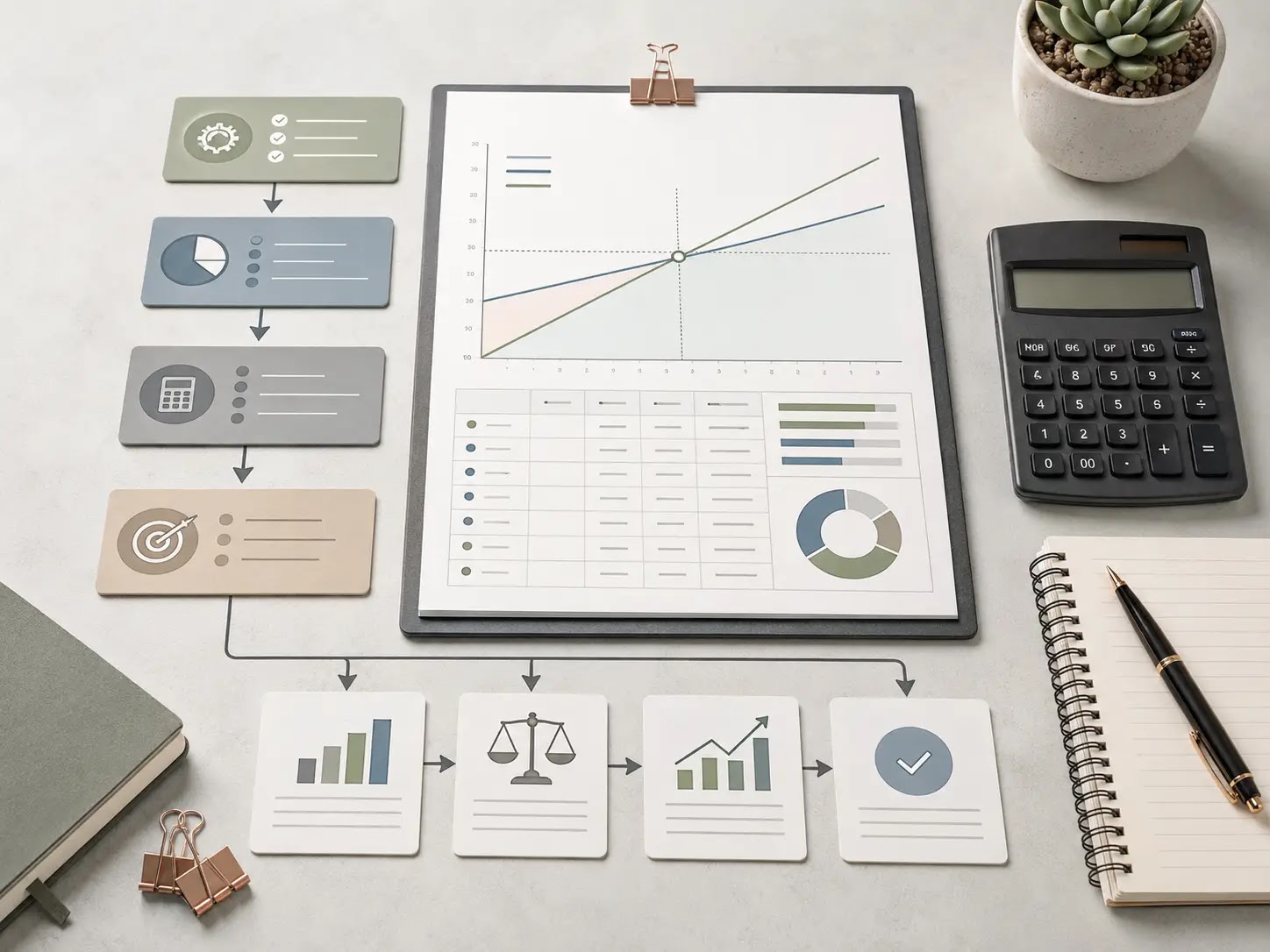
What should you do next after mapping vending machine rent, utilities, and fixed costs?
The practical takeaway is simple: your vending machine plan should hold up after you add location rent or commissions, utilities where they apply, route mileage, repairs, software, insurance, inventory carry, and a cash reserve for slow ramp-up periods. Those fixed and semi-fixed costs shape break-even, staffing needs, and how much working capital you need before the route stabilizes.
Before you commit to a lease, purchase, or funding request, make sure the assumptions behind each cost line are documented and current. In vending, the difference between a workable plan and a strained one is often in the location terms, machine mix, service frequency, and how quickly sales can cover recurring costs.
Readiness scorecard: are your assumptions ready for a decision?
| Check | Ready? | What to confirm |
|---|---|---|
| Location cost | Yes / No | Rent, commission, or placement terms for each site |
| Utility exposure | Yes / No | Whether power, water, or other utility costs are included or billed separately |
| Operating frequency | Yes / No | Route mileage, refill cadence, and labor time per stop |
| Maintenance buffer | Yes / No | Repair allowance and spare parts plan for the machine mix |
| Working capital | Yes / No | Cash available to cover inventory, fuel, and fixed costs during the early months |
| Vendor terms | Yes / No | Equipment, product, software, and lease terms that may change cash timing |
Next planning steps
- Update your cost sheet with the actual lease, commission, and utility assumptions for each site.
- Separate fixed costs from variable costs so you can see which expenses must be covered every month.
- Estimate route mileage, service time, and repair frequency using the specific machines and locations you plan to run.
- Test at least one conservative scenario with lower sales and slower cash conversion.
- Confirm your working capital target before signing contracts or placing equipment orders.
- Review vendor terms, landlord terms, and financing conditions with current local sources.
If you are turning this into a lender, partner, or landlord conversation, a business plan, financial model, pitch deck, checklist, and startup toolkit can help you organize assumptions, compare scenarios, and document the plan in one place.
Final takeaway: for a U.S. vending machine founder or buyer, the decision is not just whether the machines can generate sales, but whether those sales can reliably cover rent, utilities, route costs, repairs, and reserve cash under your actual local terms.


