
How to Estimate Vending Machine Startup Costs Without Guessing
A practical U.S. planning guide for how to estimate vending machine startup costs without guessing, built for founders, buyers, and operators comparing assumptions before committing capital.


How much does a vending machine startup really cost, and what has to be verified before you budget?
If you are trying to start or buy a vending machine business in the U.S., the right question is not just “What does one machine cost?” It is “What will it take to get the first machines placed, stocked, serviced, and cash-flow ready in my market?” Startup cost depends on how many machines you plan to launch with, whether you are buying new or used equipment, and how expensive your locations, inventory, and route logistics are.
The safest way to estimate the budget is to separate one-time launch costs from ongoing working capital. That keeps you from underestimating the cash needed for inventory, repairs, commissions, fuel, software, and the first stretch before locations produce steady sales.
Because vending costs are local and operator-specific, you should verify the assumptions that change the number most: site terms, machine pricing, service needs, product mix, and funding conditions. The table below shows the first decision frame.
| What the reader is deciding | What must be verified locally |
|---|---|
| How much cash is needed to launch without guessing | Machine prices, delivery and setup costs, inventory needs, and how much working capital is required before sales stabilize |
| Whether the route can support the planned locations | Lease or placement terms, customer traffic, commission expectations, and any site-specific requirements |
| Whether the business can handle early operating strain | Repair cadence, mileage, labor time, payment processing, software, and replacement parts availability |
| Whether outside funding or personal cash is needed | Lender requirements, collateral expectations, down payment needs, and the cash reserve level the operator can support |
- Lease/buildout: placement terms, access, utilities, and any site preparation needed
- Equipment: machine type, condition, purchase price, delivery, setup, and repair reserve
- Labor: stocking time, service time, route driving time, and any outsourced help
- Menu economics: product mix, fill cost, margin, spoilage, and payment processing
- Permits and permissions: local requirements tied to the location and operating model
- Working capital: cash for inventory, fuel, maintenance, and slow-start months
- Funding readiness: whether your assumptions are organized well enough for a lender, partner, or pitch deck review
With those assumptions identified, the next step is a practical framework for separating startup costs, recurring costs, and the cash cushion needed to launch responsibly.
How should you build a vending machine startup cost framework without guessing?
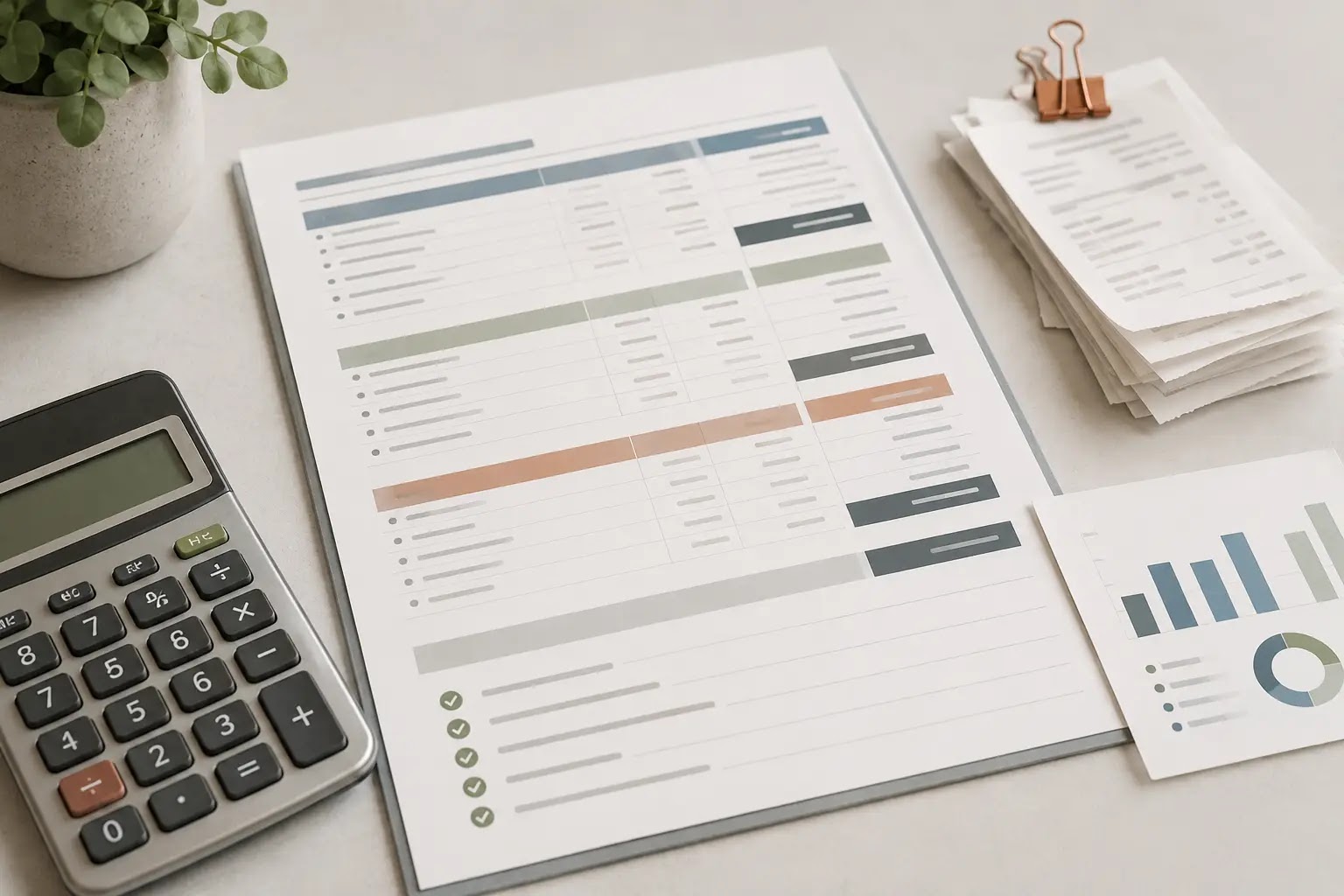
For a U.S. vending machine startup, the useful estimate is not one lump sum. It is a documented set of inputs that separates machine acquisition, initial inventory, route travel, site terms, repairs, software, and working capital. That lets you compare buying new equipment, buying an existing route, or starting from scratch with the same assumptions.
Which cost buckets belong in the estimate?
| Planning area | Question to answer | Input to collect | Model impact | Verification source |
|---|---|---|---|---|
| Machines | Are you buying new machines, used machines, or acquiring an existing route with machines already in place? | Seller quote, condition notes, included accessories, payment hardware status | Largest upfront equipment cost and replacement timing | Supplier quote, seller inventory list, inspection, service records |
| Initial inventory | What product mix will each machine carry at launch? | Planogram, opening fill quantities, shelf capacity, product categories | Startup cash tied up in first stock purchase | Distributor quote, wholesale catalog, current product pricing |
| Location terms | Does the site require commission, rent, revenue share, or a utility contribution? | Draft agreement terms, payment timing, access conditions | Reduces gross margin and changes payback timing | Location owner discussion, written agreement, site email trail |
| Route operations | How much driving, loading, and service time will the route require? | Map of stops, mileage estimate, vehicle use assumptions, service frequency | Fuel, labor, and vehicle expense assumptions | Route map, navigation history, service schedule, operator logs |
| Repairs and spares | What maintenance items should be reserved for at launch? | Common wear parts, repair vendor quote, cleaning supplies, spare keys and locks | Early cash needs and downtime risk | Technician estimate, equipment manuals, prior service history |
| Cashless payment and software | Will each machine use card readers, telemetry, or route software? | Hardware quote, monthly software fees, processing terms, installation needs | Upfront hardware cost and recurring operating expense | Vendor terms, account proposal, installer quote |
| Support equipment | What tools are needed to restock and transport inventory? | Hand truck, bins, cooler, supplies, vehicle setup | Small but real startup outlay that affects launch cash | Supplier quotes, vehicle prep list, operator experience |
| Working capital | How long can the business operate before cash inflow stabilizes? | Expected timing of collections, refill timing, repair reserve, owner cash buffer | Protects against slow placements, weak sites, and surprise service needs | Cash flow assumptions, lender request, owner liquidity review |
What sequence keeps the estimate from drifting off target?
- Start with the route plan. List the machines, locations, and whether you are building a new route or buying one.
- Separate one-time startup costs from recurring operating costs. Keep equipment, installation, initial fill, and launch supplies apart from replenishment, software, and route expenses.
- Collect vendor quotes before you set the budget. Use machine sellers, product distributors, payment providers, and repair vendors instead of rough estimates.
- Document each site-specific term. Capture commission, rent, access rules, equipment placement limits, and any owner-provided utility support.
- Estimate route mileage and service intensity. More stops, more distance, or more frequent restocking raises fuel, labor, and vehicle needs.
- Add a maintenance reserve. Include cleaning, wear parts, and likely early repairs so the launch budget is not only a purchase budget.
- Include software and payment processing. Cashless capability and route management tools can change both startup cash and monthly burn.
- Set a working capital cushion. Build in cash for slow site ramp-up, delayed collections, and inventory replenishment before the route stabilizes.
- Record assumptions in a source log. Note who provided the number, when it was received, and whether it is a quote, a guess, or a negotiated term.
- Recheck the estimate if the route changes. A different location mix, machine condition, or site agreement can change the startup budget quickly.
Once these assumptions are documented, the next step is to translate them into scenario-based cash needs, operating tradeoffs, and downside checks in the financial model.
How do startup cost assumptions affect your vending machine funding need?
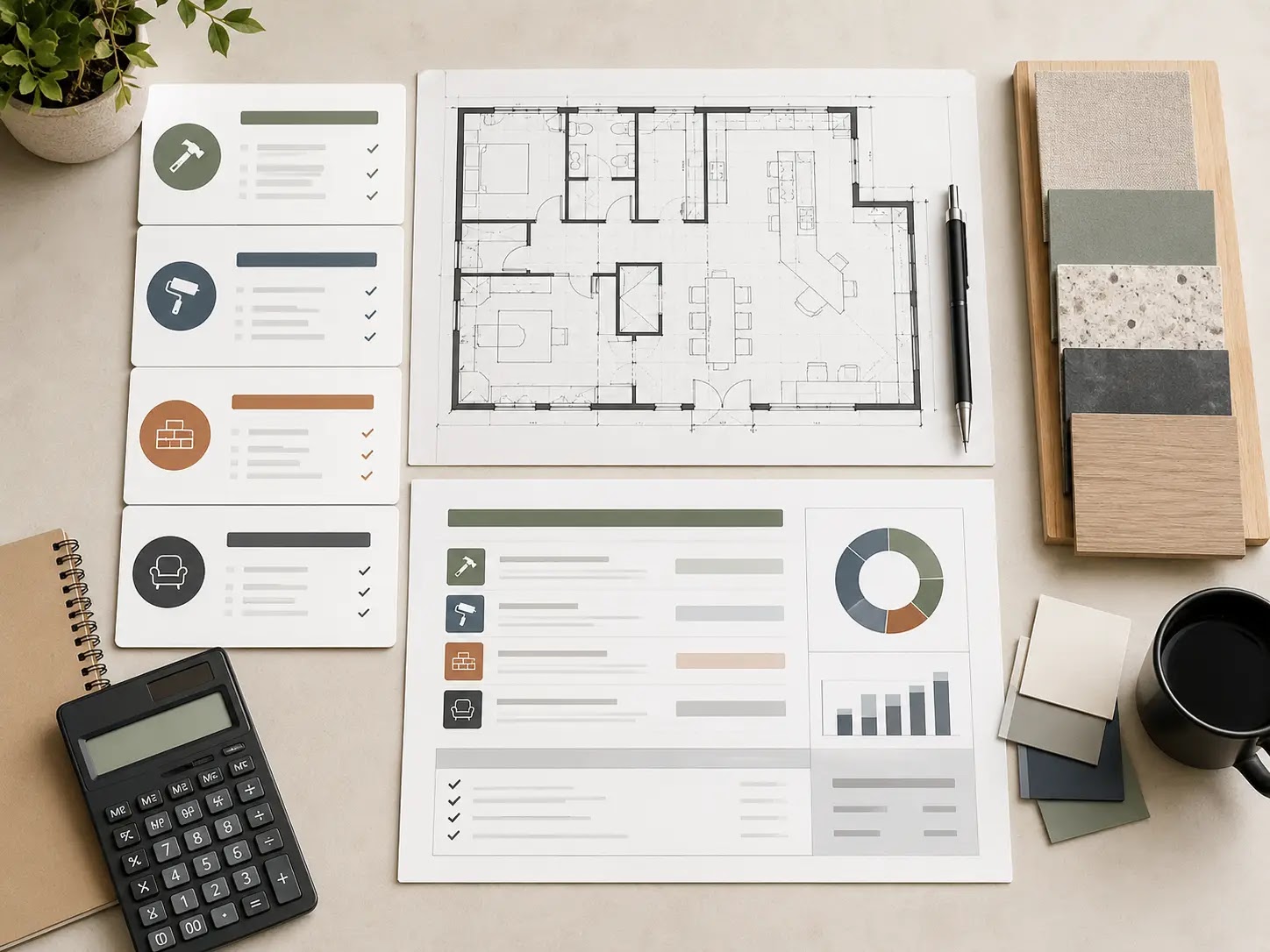
If you are comparing a new vending startup, a small route acquisition, or a mixed buy-and-build plan, the biggest modeling mistake is treating machine price as the full budget. The cash need usually expands once you add opening inventory, delivery and install, payment hardware or software, repairs reserve, site commissions, route mileage, and working capital for the first slow stretch.
The key planning question is not just “what does a machine cost?” It is “how much cash do I need to buy, place, stock, service, and support the route until sales stabilize?”
Planning calculator: replace placeholders with current quotes
Funding formula: estimated startup need = machine costs + opening inventory + delivery/install + payment hardware/software + site deposits or commissions + repair reserve + working capital.
All defaults are illustrative placeholders only. Replace them with current local quotes, vendor terms, and verified site assumptions.
| Planning area | Formula or question | Inputs to collect | Model impact |
|---|---|---|---|
| Machine acquisition | How many machines and at what landed cost? | Seller quote, shipping, install, refurbishment, lock or reader upgrades | Sets the largest capital line for many startups |
| Opening inventory | How much product is needed to fill each machine? | Product mix, pack sizes, supplier case prices, spoilage risk | Changes cash tied up before the first sale |
| Launch setup | What does it take to place the route? | Delivery, transport, installation, mounting, testing, site access costs | Can rise fast with spread-out locations or heavy equipment |
| Monthly operating load | What are the recurring cash costs? | Route mileage, service labor, card fees, software, repairs reserve, commissions | Drives break-even sales and runway |
| Working capital | How many months of runway do you want? | Cash buffer target, ramp speed, expected restocking cadence | Protects against slower-than-planned sales |
| Funding need | Startup costs + working capital | All verified assumptions above | Useful for lender, partner, and acquisition discussions |
Which assumptions move break-even the most?
| Scenario | Assumption shift | Likely effect | Planning takeaway |
|---|---|---|---|
| Lower-density route | More driving between stops and slower service loops | Higher fuel, time, and labor burden per dollar sold | Increase cash runway and stress-test route efficiency |
| Base case route | Expected service area, product mix, and stocking cadence | Balanced inventory and operating load | Use this as the core funding case |
| Higher-service route | More frequent restocking or more cashless payment activity | Higher recurring costs, but possibly better sales capture | Check whether margin still supports the added operating load |
What should you do next before you commit to a vending machine budget?
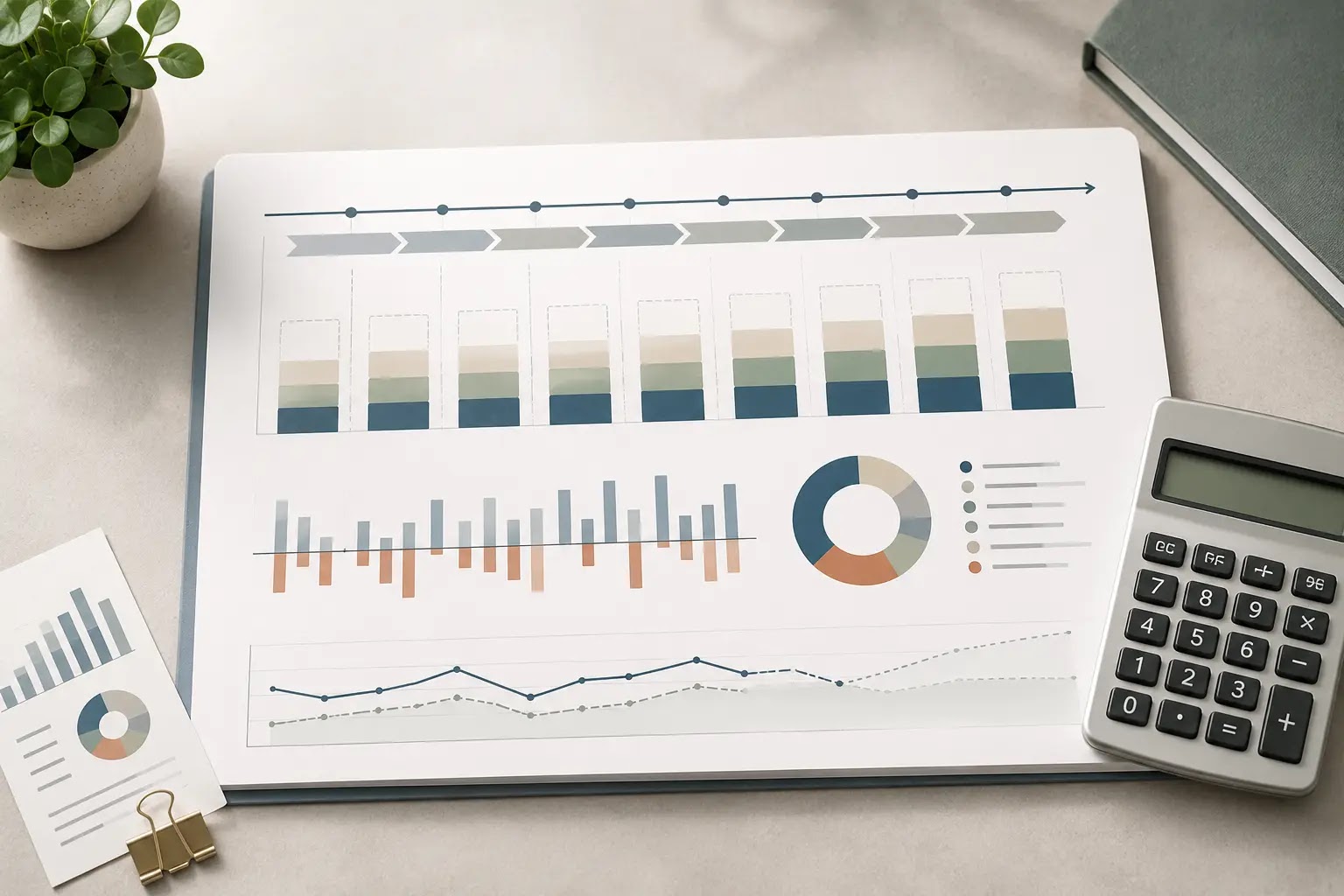
For a U.S. vending machine founder or buyer, the next step is not chasing a generic average. It is turning your actual machine choice, route plan, location terms, inventory mix, and cash reserve needs into a budget you can verify.
The practical path is to confirm the equipment and locations you can реально pursue, price setup costs, estimate recurring service costs, and test whether you have enough working capital for slow ramp-up, repairs, commissions, software, and mileage.
Decision checklist: are you ready to build a real startup budget?
- Do you have a short list of machine types and condition grades you can actually buy?
- Have you confirmed location terms, commissions, and access requirements with current local sources?
- Have you estimated first inventory purchases by product mix, not by a generic fill amount?
- Have you included route mileage, fuel, maintenance, and repair allowances in the operating budget?
- Have you set aside working capital for slow sales, outages, spoilage, or replacement parts?
- Have you tested at least one downside case that delays break-even or requires more cash than expected?
Next planning steps
- Gather vendor quotes for machines, delivery, installation, and any accessories you need.
- Collect location-specific information on commissions, lease terms, access hours, and service restrictions.
- Build a startup budget that separates one-time setup costs from recurring operating costs.
- Estimate inventory, refill cadence, and route mileage using the locations you can realistically serve.
- Stress-test the budget with a repair spike, slower-than-expected sales, and delayed placement.
- Document assumptions so a lender, landlord, partner, or advisor can review the plan quickly.
Useful planning bridge: a business plan, financial model, pitch deck, checklist, and startup toolkit can help organize assumptions, compare scenarios, and document the plan for partners, lenders, landlords, or advisors.
Final takeaway: if you can name, price, and verify every major cost line before launch, you are estimating a vending machine startup budget; if not, you are still guessing.

