
Vending Machine Pricing Menu: Simple Ways to Avoid Undercharging
A practical U.S. planning guide for vending machine pricing menu: simple ways to avoid undercharging, built for founders, buyers, and operators comparing assumptions before committing capital.

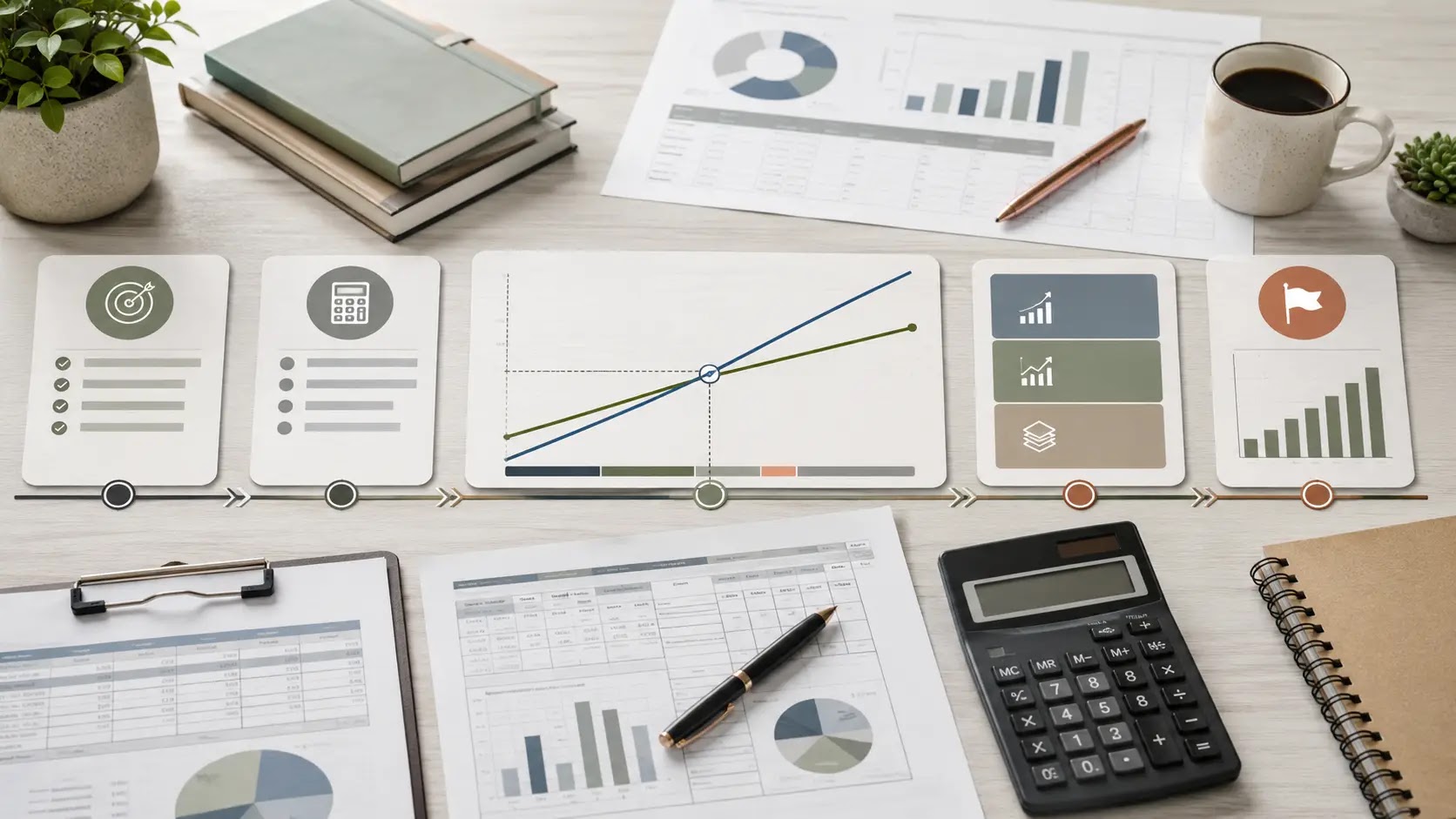
How should you price a vending machine menu without undercharging?
| What the reader is deciding | Which products and price points can support profit after machine cost, location terms, restocking, spoilage, repair risk, and route time. |
|---|---|
| What must be verified locally | Location commissions, local customer spending patterns, vendor pricing, sales tax treatment, permit and lease terms, and real route costs in the target market. |
For a vending machine business, undercharging usually starts with a simple mistake: pricing the menu from what feels acceptable to customers instead of what the route actually needs to earn. A workable menu has to absorb inventory cost, machine financing or purchase cost, maintenance, spoilage, payment processing, and the time it takes to service each stop.
The right price point also depends on where the machine sits and who uses it. An office, gym, apartment, school, hotel, or warehouse route can support very different mix, volume, and margin assumptions, so a menu that works in one location can fail in another even if the products are similar.
The practical question is not just “what will sell?” It is “what will sell enough, often enough, and at a margin that leaves room for route mileage, repairs, and working capital?” That is the lens to use before you build the menu, pitch the plan, or buy more machines.
- Lease and location terms: commission, rent, access, placement rules, and service hours.
- Equipment economics: machine price, age, reliability, payment system, and expected repair load.
- Labor and route time: restocking frequency, driving distance, and service efficiency.
- Menu economics: item cost, margin mix, spoilage, package size, and price sensitivity.
- Permits and operating requirements: local rules that affect placement, sales, or signage.
- Working capital: cash needed to buy inventory, handle downtime, and cover slow-start periods.
- Funding readiness: whether the pricing plan supports a lender- or investor-ready model and pitch deck.
The next step is to turn those assumptions into a simple planning framework that shows which inputs actually move price, margin, and location choice.
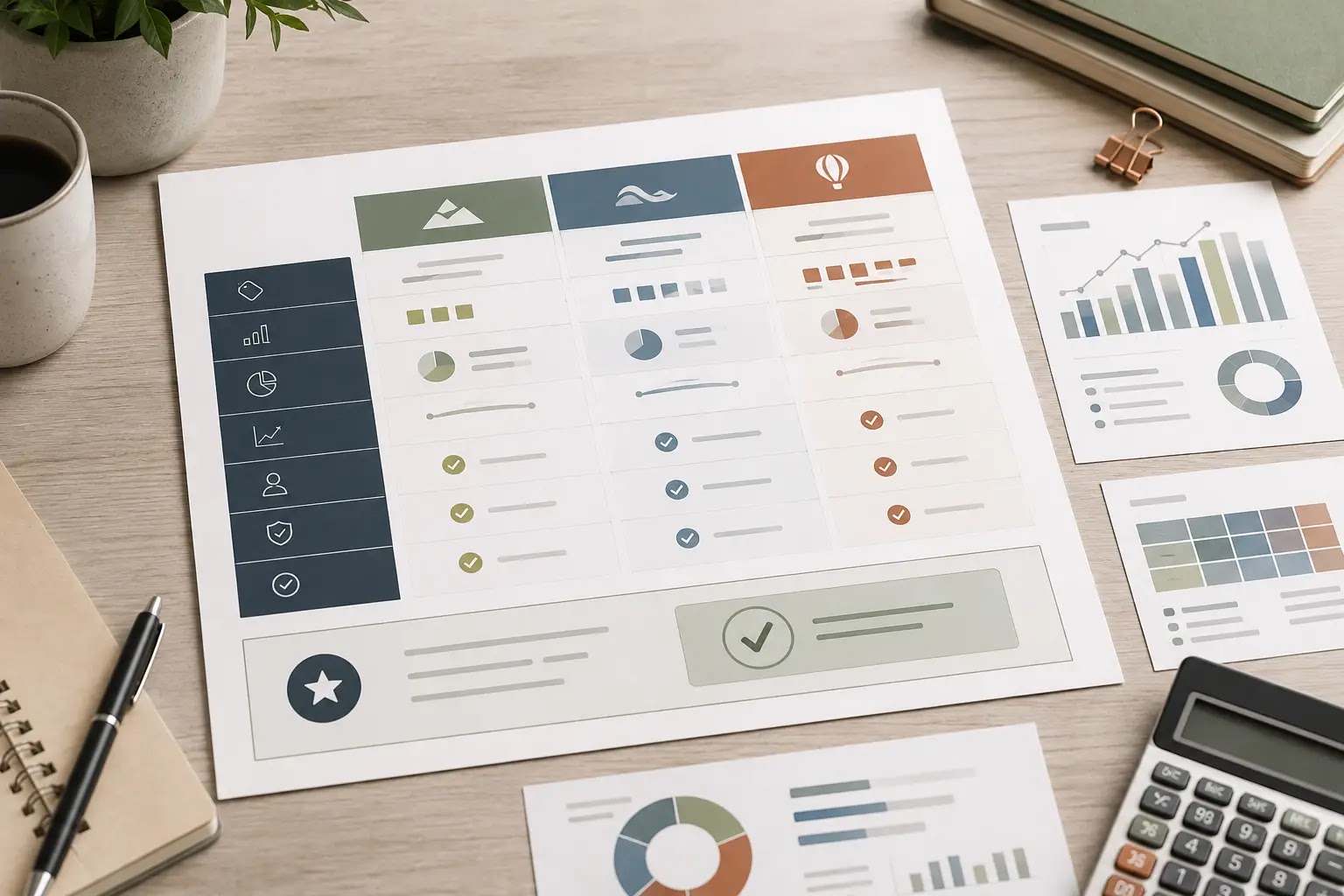
How should a vending machine founder build a pricing menu without undercharging?
Which menu decisions drive margin most?
For vending, pricing is not just a sticker choice. The menu has to reflect product mix, package size, route mileage, spoilage or shrink, card processing, commissions, and the amount of cash tied up in inventory. A price that works in one location can fail in another if traffic, customer type, or service frequency changes.
What should be documented before you finalize a price list?
Keep the assumptions tied to the specific machine and location. The goal is to make each item on the menu defensible in your model, lender packet, or buy-sell review, not to guess at a “standard” vending price that may not fit your route.
What inputs belong in a vending pricing worksheet?
| Planning area | Question to answer | Input to collect | Model impact | Verification source |
|---|---|---|---|---|
| Product mix | Which SKUs will actually sit in the machine? | Item list by category, package size, and shelf slot | Revenue per vend, inventory turns, and reorder needs | Supplier catalog, wholesaler quote, location survey |
| Customer segment | Who is buying at this location? | Employee, student, visitor, patient, traveler, or tenant mix | Price tolerance and product selection | Site walk-through, property manager, customer observation |
| Location access | How often can the machine be serviced? | Visit frequency, restock timing, access hours | Labor time, fuel, route density, spoilage risk | Landlord or site agreement, route planning records |
| Operating costs | What costs sit behind each sale? | Product cost, payment fees, route mileage, repairs, software, commissions | Gross margin and break-even sales volume | Vendor invoices, processor statement, maintenance logs |
| Commission terms | Does the location take a share of sales? | Fixed rent, revenue share, or blended arrangement | Net revenue and pricing floor | Lease, license, or location agreement |
| Machine capability | What price points can the equipment support? | Coin/card settings, bill acceptance, cashless setup, product dimensions | Menu structure and payment conversion | Machine manual, technician, operator settings review |
| Inventory exposure | How much cash is tied up on the shelf? | Case cost, par levels, shelf life, dead stock risk | Working capital and markdown risk | Purchase history, supplier terms, sell-through data |
| Competitive check | What are nearby alternatives charging? | Observed prices for comparable items in the same area | Price ceiling and positioning strategy | On-site observation, nearby machine checks, local retail review |
How do you move from research to documented assumptions?
- List the menu by location. Separate core items from trial items so you can price the reliable sellers differently from the “test” products.
- Match each item to a buyer type. A school, office, hospital, and breakroom can support different product choices and different price sensitivity.
- Collect current cost inputs. Use supplier quotes, recent invoices, and processor statements instead of older purchase history that may no longer reflect today’s costs.
- Add location-specific costs. Include commission, route travel, restocking time, spoilage, and any service burden tied to the site.
- Set a pricing floor for each SKU. Document the lowest price that still leaves room for operating costs, not just product cost.
- Check menu balance. Use a mix of entry-price items, mid-tier items, and higher-margin items so the machine is not dependent on one category.
- Record the assumptions in the model. Tie each price to a source, date, and location so later changes can be traced back cleanly.
- Flag items to revisit after launch. Mark products that may need repricing after you see actual sell-through, spoilage, or route time.
What checklist helps avoid undercharging before launch?
- Confirm the actual cost per vend, not just the wholesale case cost.
- Separate high-turn items from low-turn items in the menu plan.
- Check whether card payments change the economics enough to require a higher price.
- Review commission, rent, or placement fees by location before setting the shelf price.
- Test whether your route can support the restocking cadence implied by the menu.
- Document any items that may need local price changes for different sites.
- Keep a versioned assumption sheet so pricing changes are easy to compare later.
Once these menu, product, and pricing inputs are documented, the next step is to translate them into scenario math, margin sensitivity, and working-capital tradeoffs in Block 3.
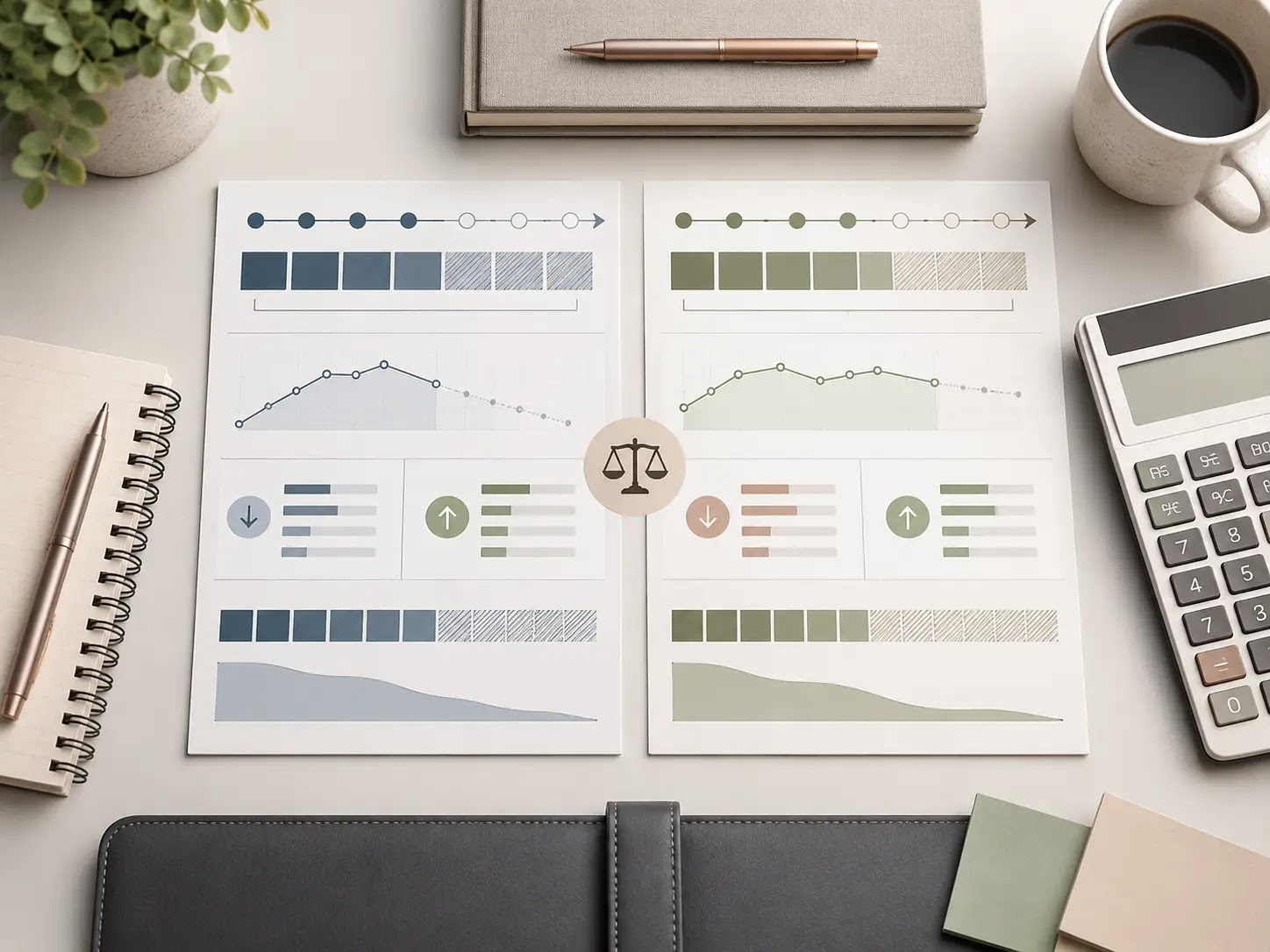
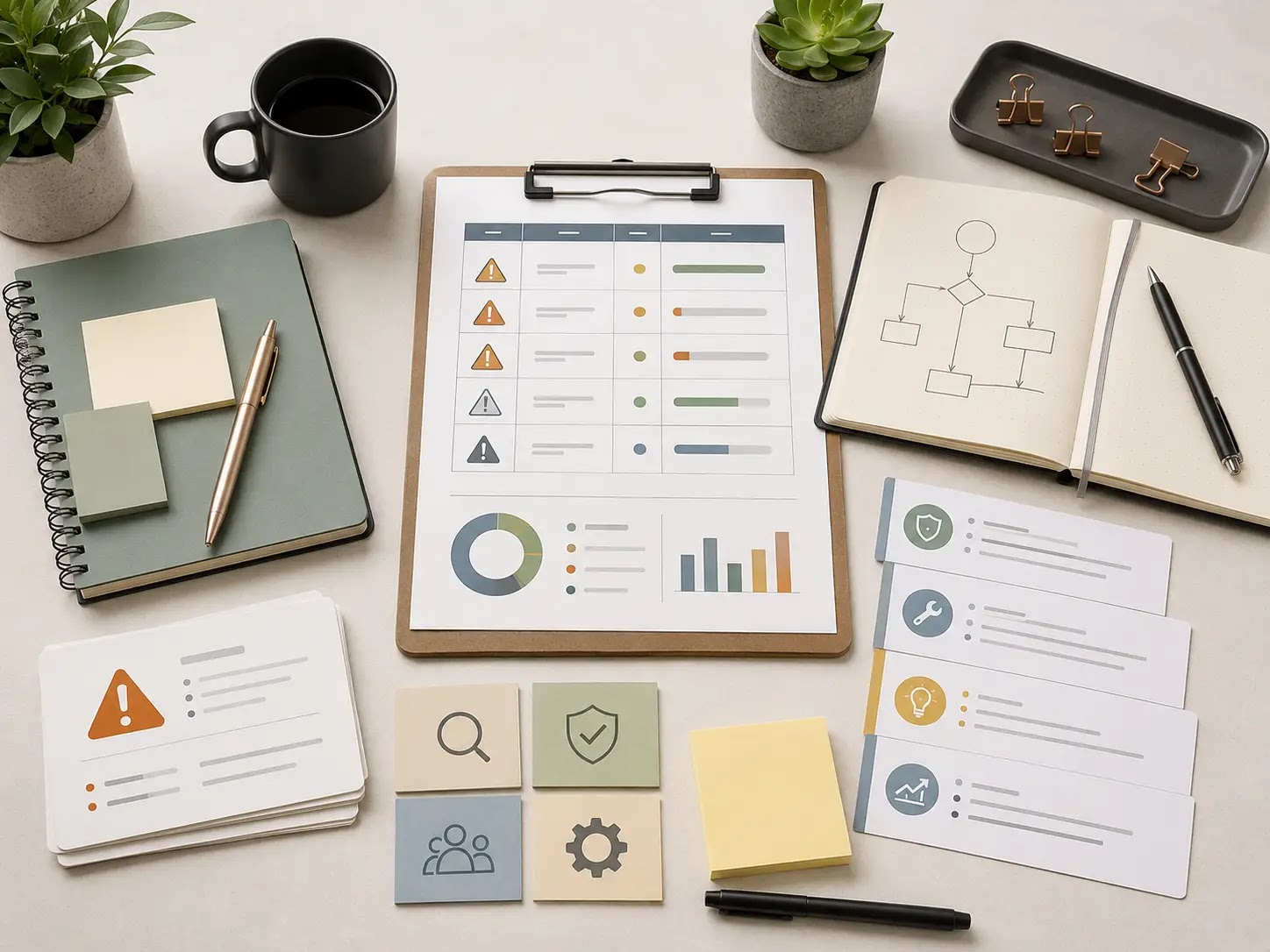
What should you do next before you lock a vending pricing menu?
For a U.S. vending machine founder or buyer, the practical answer is simple: do not finalize pricing until you have verified the machine mix, location terms, product costs, route mileage, spoilage risk, maintenance needs, and payment processing fees that actually apply to your route. A pricing menu that looks safe on paper can still undercharge if it ignores commissions, labor, and working capital pressure.
The decision path is: confirm the location economics, map the products you will stock, test whether each price covers your variable costs, and only then set a menu that fits the customer segment and the site. That is the difference between a menu that sells and a menu that supports the business.
Readiness scorecard: are you close to pricing with confidence?
| Check | Why it matters | Ready? |
|---|---|---|
| Location terms reviewed | Commissions, rent, or revenue share can change the price floor. | Yes / No |
| Product cost list updated | Wholesale cost is the starting point for every margin decision. | Yes / No |
| Payment fees included | Card and cashless fees can materially affect unit economics. | Yes / No |
| Service and route costs mapped | Fuel, mileage, labor, and restocking time affect true profitability. | Yes / No |
| Maintenance and spoilage allowance included | Repairs, waste, and shrink can erase thin margins. | Yes / No |
| Pricing tested against customer mix | Different sites can support different menus and price points. | Yes / No |
Next-step checklist
- Confirm the exact machine type, location type, and customer segment you are pricing for.
- List every stocked item and its current supplier cost.
- Verify any location commission, rent, or revenue-share terms with current local sources or the site agreement.
- Add payment processing, spoilage, restocking, mileage, labor, and repair assumptions to the model.
- Check whether the menu still leaves room for working capital and replacement inventory.
- Compare a lower-price menu versus a margin-protective menu before launch or acquisition.
- Document the assumptions so you can explain the pricing logic to a partner, lender, landlord, or advisor.
Planning note: A business plan, financial model, pitch deck, checklist, and startup toolkit can help organize these assumptions, compare scenarios, and document the pricing case in a clean way for partners, lenders, landlords, or advisors.
Final takeaway: the safest vending pricing menu is not the cheapest one; it is the one that clearly covers product, placement, and operating costs for the specific U.S. locations you plan to serve.


