
Vending Machine Parking, Access, and Visibility Considerations
A practical U.S. planning guide for vending machine parking, access, and visibility considerations, built for founders, buyers, and operators comparing assumptions before committing capital.

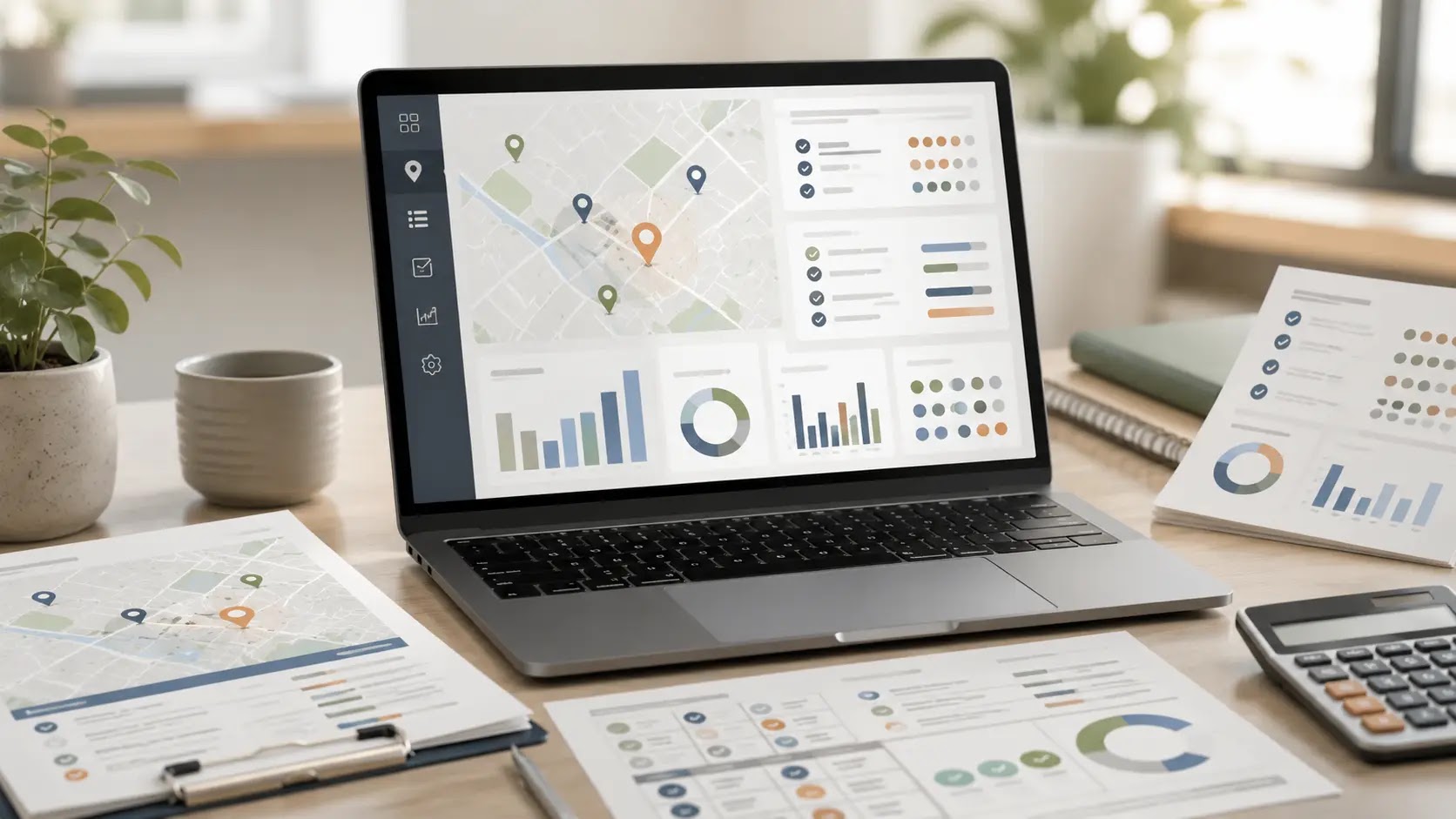
How do parking, access, and visibility affect a vending machine route?
If you are buying or launching a vending machine business, parking, access, and visibility are not just location details; they shape how often a machine can be serviced, how much labor the route needs, and whether the site can support the sales you are projecting. A strong location still has to work operationally for restocking, repairs, cash collection, and delivery access.
The practical decision is usually whether a site is worth the lease, commission, or route price after you account for service time, driving distance, equipment handling, and any site-specific constraints. For some operators, a slightly less visible spot can still work if access is easy and the customer base is steady. For others, high visibility matters more because foot traffic and impulse use depend on it.
| What the reader is deciding | What must be verified locally |
|---|---|
| Whether a site can support a profitable machine placement or route purchase | Parking for service vehicles, loading access, customer visibility, site rules, lease or commission terms, and local demand patterns |
| Whether the site fits the operating model and funding plan | Equipment needs, restock frequency, labor time, product mix, repair access, working capital needs, and any lender or landlord requirements |
- Lease or buildout: space fit, power access, placement limits, and any site improvements needed
- Equipment: machine type, delivery path, maintenance access, and replacement risk
- Labor: restock time, route mileage, and service efficiency
- Menu economics: product mix, spoilage or shrink risk, and refill frequency
- Permits: local requirements that affect installation or operation
- Working capital: cash needed for inventory, repairs, commissions, and early operating gaps
- Funding readiness: whether the route or site assumptions are documented well enough for a lender, partner, or buyer review
Next, the planning framework turns these location questions into the specific inputs you should verify before you commit to a site, a route, or a purchase price.
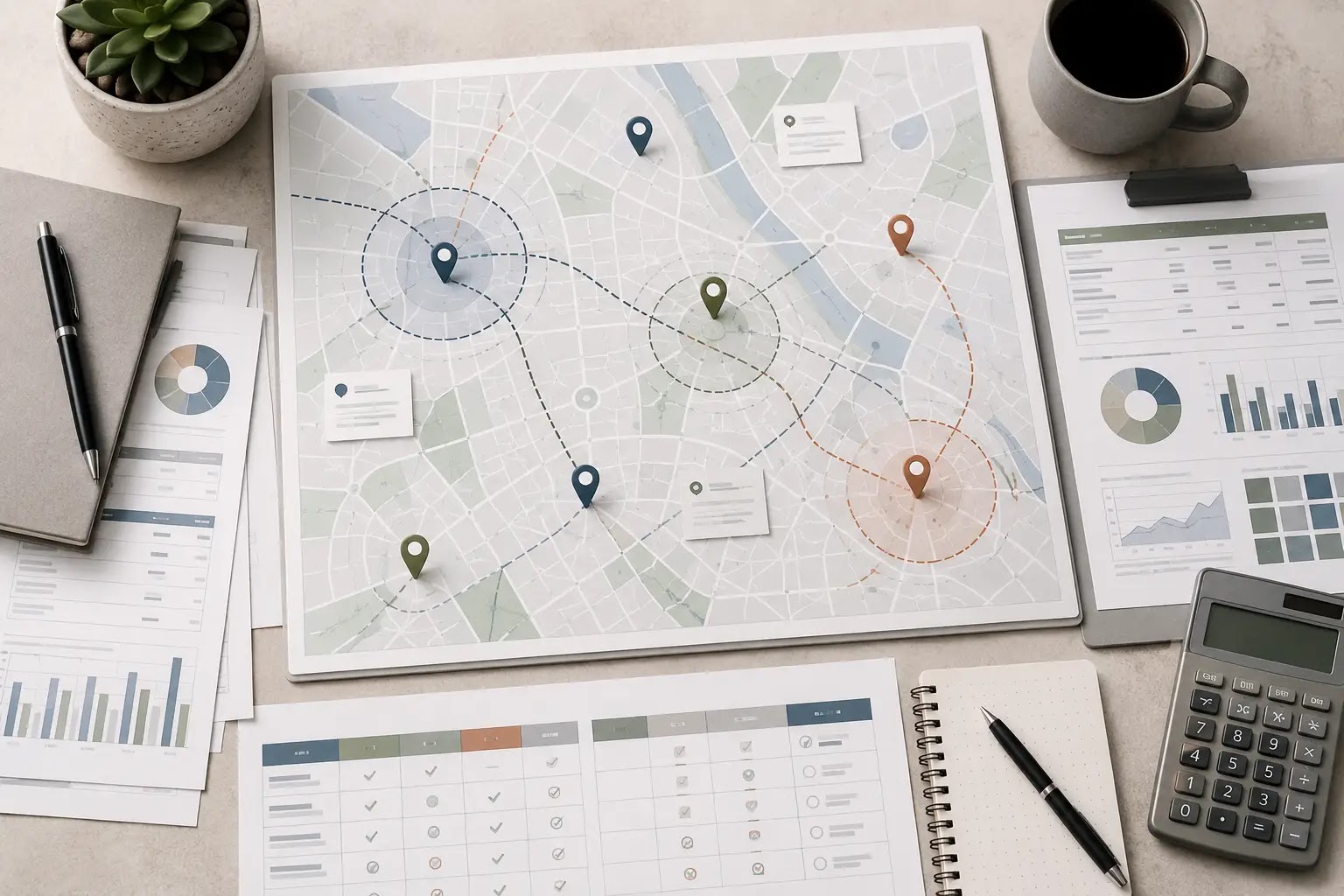
What planning framework should a vending machine buyer use for parking, access, and visibility?
A practical route-and-territory framework starts with site fit, then tests whether the machine can be stocked, serviced, and seen without creating avoidable route friction. For U.S. vending founders and buyers, the real question is not just “Will this location get traffic?” but “Can this machine be reached on schedule, protected, and operated profitably as part of a route?”
Which site inputs change the answer the most?
| Planning area | Question to answer | Input to collect | Model impact | Verification source | Assumption affected |
|---|---|---|---|---|---|
| Parking and loading access | Can you stop, unload, and reload without blocking traffic or taking excessive time? | Loading zone availability, curb access, distance from parking to machine, cart path, stairs, elevators, and time windows | Service time, labor cost per stop, route density, and fuel use | Site walk-through, property manager, tenant contact, and nearby parking rules | Route productivity and stop frequency |
| Machine visibility | Will customers notice the machine from the normal walking path? | Line of sight, signage rules, corridor placement, lighting, obstructions, and competing fixtures | Transaction volume assumptions and payback timing | On-site observation during busy and quiet periods | Sales per machine and conversion rate |
| Foot traffic pattern | Does the traffic support impulse purchases or only limited use? | Peak hours, visitor mix, dwell time, and proximity to break areas or waiting areas | Product mix, refill cadence, and inventory turnover | Tenant feedback, property tour, and observation logs | Revenue mix and stock assortment |
| Security and exposure | Is the machine easy to monitor and hard to tamper with? | Camera coverage, lighting, access control, staff presence, and late-hour exposure | Repair risk, shrink risk, insurance planning, and maintenance reserve | Property security team, manager walkthrough, and incident history if available | Loss assumptions and service intervals |
| Power and placement constraints | Can the machine be powered and positioned where it sells best? | Outlet location, cord reach, wall clearance, floor space, and any placement restrictions from the site | Installation cost, equipment choice, and site compatibility | Facilities staff, landlord, and on-site inspection | Startup capex and equipment selection |
| Route clustering | Does this site fit your route geography or add an inefficient detour? | Distance from existing stops, drive time, service grouping, and territory boundaries | Fuel cost, labor efficiency, and route expansion pace | Route map, dispatch software, and drive-time review | Margin per stop and route design |
| Site economics | Do rent, commission, or revenue-share terms fit the location’s expected output? | Requested site terms, billing method, renewal structure, and expected machine gross sales range | Net operating margin and break-even timing | Written site proposal and comparable site review | Profitability threshold for the location |
How should a founder move from research to documented assumptions?
- Map the territory first. Group candidate sites by drive time, access type, and service frequency so you can see which locations support an efficient route instead of isolated stops.
- Walk each site as a customer and as an operator. Note where people naturally pass, where the machine would sit, how easy it is to load product, and whether the path is simple enough for recurring service visits.
- Document parking and loading constraints. Record where you can legally and practically stop, how long unloading takes, whether a dolly or cart is needed, and whether access changes by daypart.
- Assess visibility in context. Capture whether the machine is immediately visible, partly hidden, or dependent on signage, nearby staff, or repeat visits to generate use.
- Test the site against route economics. Compare the expected stop time and travel time to your current route design so the location is judged as part of the whole territory, not in isolation.
- Write down the assumptions before you negotiate. Save the operating assumptions that matter most: traffic pattern, service cadence, refill logistics, site term structure, and any equipment or placement limitations.
- Confirm the site terms in writing. Make sure the location’s access expectations, placement rules, and compensation structure are documented before you build the route model or pitch the opportunity to partners or lenders.
Verification note
Parking rules, access limits, visibility restrictions, building policies, vendor terms, and site fees vary by market and by property type. Verify current local conditions directly with the property contact, the site operator, and any relevant local sources before you treat a location as model-ready.

What do parking, access, and visibility tradeoffs change in a vending route?
For vending machine buyers and operators, the best-looking location is not always the best operating location. Parking access, walk-up visibility, and service convenience all shape route mileage, labor time, refill frequency, and how much downtime you can tolerate. A site with strong foot traffic can still underperform if the service vehicle cannot stop nearby, the machine is hard to reach, or access is limited to narrow hours.
That is why these locations should be treated as planning assumptions, not just placement preferences. In practice, the tradeoff is usually between sales potential and operating friction: more visible sites may command higher rent or commission expectations, while easier-to-service sites may need stronger internal traffic or better product fit to support the same economics.
High visibility, tighter access
Often better for demand, but service can take longer if parking is limited, loading is restricted, or access depends on staff approval.
Planning effect: more labor time, more scheduling friction, and a higher need for reliable restock windows.
Easy access, lower visibility
Usually easier to service and cheaper to maintain, but sales may depend more on captive traffic, signage, or repeat users.
Planning effect: lower route friction, but tighter scrutiny on sales assumptions and machine mix.
Balanced access and visibility
Often the most underwriteable option because it supports both operating efficiency and customer discovery.
Planning effect: steadier route economics, with fewer extreme assumptions on labor or commissions.
When you evaluate a site, the main question is whether the parking and access pattern supports the operating model you are actually buying or building. If the machine needs frequent service, small interruptions matter. If the site depends on a landlord, manager, or security desk for entry, you need to know whether that access is routine, conditional, or likely to change. These details affect your route density, working capital, and how quickly a location can start producing dependable cash flow.
| Planning risk | Why it matters | Assumption affected | How to verify |
|---|---|---|---|
| Vehicle parking is limited or inconsistent | Service stops can take longer and may require extra walking, carrying, or repeat visits. | Labor time per stop, route mileage, fuel use | Visit during normal service hours, observe where a vehicle can stop, and confirm any loading rules with the site contact. |
| Visibility is weaker than expected | Fewer users notice the machine, which can reduce sales compared with the original traffic estimate. | Sales per machine, payback timing, placement fee tolerance | Stand at the main approach points, note line of sight, and compare the site to other machines with similar traffic patterns. |
| Access windows are narrow | Restocking and repairs may need special scheduling, escorting, or after-hours coordination. | Service frequency, staffing plan, downtime reserve | Ask for written access rules, entry procedures, and any restrictions on service timing or vendor visits. |
| Security or shrink risk is elevated | Poor lighting, isolated placement, or weak oversight can increase repair, theft, or inventory-loss pressure. | Maintenance reserve, insurance expectations, margin assumptions | Inspect lighting, camera coverage, and site oversight; ask about any prior issues the property contact is willing to discuss. |
| Lease or host terms may change | A site can become less attractive if commission, access, or removal terms shift after launch. | Payback period, exit value, route concentration risk | Review the written placement or lease terms, including renewal, termination, access, and removal provisions. |
Once these assumptions are documented, the final launch checklist should decide whether the site is operationally supportable, not just attractive on first inspection. That is the right handoff into the next block: turning parking, access, and visibility into a clear yes/no readiness list.

What should you do next before you commit to a vending machine site?
If parking, access, and visibility look workable, the next step is not to “assume the site works” but to confirm the route economics around it. A location that is easy to reach, safe to service, and visible enough to support demand can reduce wasted drive time, simplify stocking and repairs, and make the machine easier to manage at scale. If access is tight or the lease terms are unclear, the machine may still be viable, but the decision depends more heavily on commissions, service frequency, inventory planning, and working capital.
The practical takeaway is simple: treat the site as an operating decision, not just a placement decision. Verify the space, the route fit, the landlord or host terms, and the visibility tradeoff before you buy equipment or build the launch schedule.
Readiness scorecard: are you ready to move forward?
| Check | What to confirm | Why it matters |
|---|---|---|
| Parking and loading access | Can you stop, unload, and service the machine without creating friction for the property? | Affects route speed, labor time, and how often the site can be serviced efficiently. |
| Visibility | Can customers actually see the machine from the relevant traffic path? | Impacts usage potential and whether the site can support your sales assumptions. |
| Lease or route rights | Are placement, access hours, commission terms, and removal rights documented? | Reduces disputes and protects your control over the route. |
| Route fit | Does the site fit your current service area, mileage plan, and refill cadence? | Shapes fuel, travel time, and total operating efficiency. |
| Equipment and inventory fit | Will the machine size, product mix, and stocking pattern match the location? | Influences downtime, spoilage risk, and replenishment needs. |
| Local verification | Have you confirmed site-specific rules, landlord terms, and current vendor conditions? | Prevents the plan from relying on assumptions that do not hold in that market. |
Next planning steps
- Document the exact site address, access points, and any service restrictions.
- Confirm who controls placement, repairs, restocking access, and removal rights.
- Estimate route mileage and service time for this site within your broader route.
- Test whether the visibility level supports your expected demand assumptions.
- Review whether commissions, rent, or host payments still leave room for margin.
- Update your inventory, repair, and working capital assumptions before launch.
- Keep current local sources and vendor terms in the file so the decision can be re-checked later.
A business plan, financial model, pitch deck, checklist, and startup toolkit can help organize these assumptions, compare site scenarios, and document the plan for partners, lenders, landlords, or advisors.
Final takeaway: for a U.S. vending machine founder or buyer, the best site is the one that works on paper and in practice—parking, access, visibility, and route fit should all support the same operating story before you commit.


