
Vending Machine Legal Structure: LLC, Corporation, or Sole Proprietor?
A practical U.S. planning guide for vending machine legal structure: LLC, corporation, or sole proprietor?, built for founders, buyers, and operators comparing assumptions before committing capital.


Should a vending machine business be an LLC, corporation, or sole proprietor?
For most U.S. vending founders, the best structure is the one that matches your risk exposure, ownership plan, and how much admin work you can support while running machines, stocking inventory, and servicing routes. The decision is usually less about a “best” tax label and more about separating personal and business risk around contracts, repairs, commissions, and cash handling.
In practical terms, a sole proprietorship can be simpler at the very smallest scale, while an LLC is often the most useful default when you want a clearer business boundary for machines, vendors, and financing conversations. A corporation can make sense in some ownership or funding scenarios, but it usually adds more formality, so the fit depends on your state rules, tax treatment, and operating plan.
Quick decision frame
| What the reader is deciding | Which structure best fits a vending route, startup, or acquisition plan with the least mismatch between risk, paperwork, and growth plans. |
|---|---|
| What must be verified locally | State filing rules, tax treatment, license and permit requirements, insurance expectations, landlord and vendor contract terms, and any financing conditions. |
The right answer also depends on whether you are buying one machine, building a small route, or planning a multi-location rollout. Those cases can look similar on paper, but they can create very different needs for working capital, insurance, contract signatures, and bookkeeping discipline.
Big assumption categories to pressure-test
- Lease and buildout terms for each location
- Machine cost, installation, and repair exposure
- Labor for stocking, service, and route mileage
- Menu economics, commissions, and inventory turnover
- Permits, licenses, and insurance expectations
- Working capital for inventory, downtime, and replacements
- Funding readiness if you plan to borrow or bring in partners
With those assumptions in view, the next step is to map the structure choice to the practical planning inputs that actually move the decision.
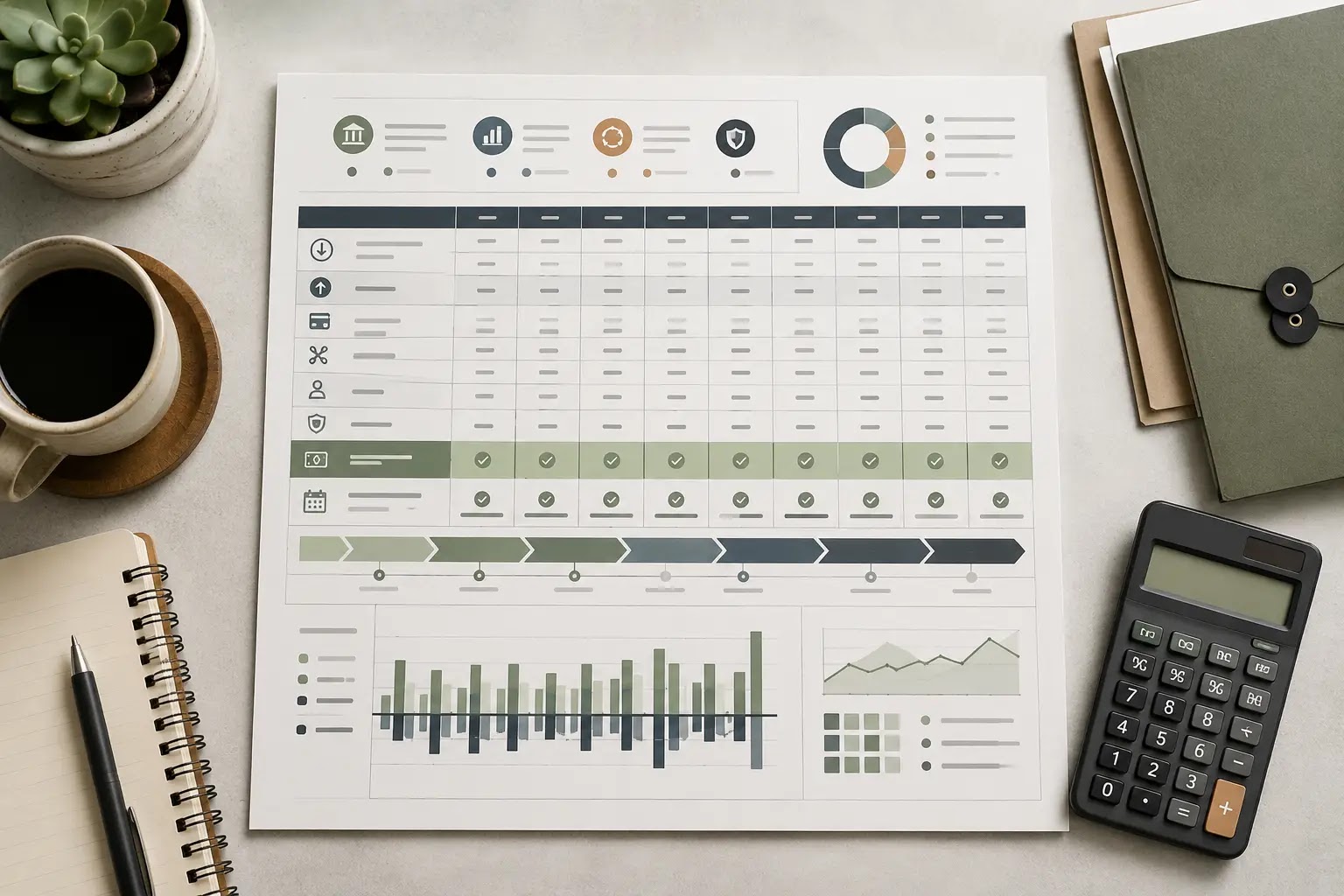
What should a vending machine founder document before choosing LLC, corporation, or sole proprietor?
For vending businesses, the best legal structure is usually the one that matches your licensing path, insurance needs, equipment ownership, and contract risk—not just the filing fee. A route with multiple locations, machine financing, product inventory, and service agreements can create very different exposure than a small side business with one or two machines.
Planning framework: tie the entity choice to licenses, permits, and insurance
| Planning area | Question to answer | Input to collect | Model impact | Verification source |
|---|---|---|---|---|
| Business registration | Which structure will hold the vending business name and contracts? | State formation requirements, assumed filing path, ownership names | Sets who signs leases, machine purchases, and supplier agreements | State business filing office, attorney, registered agent guidance |
| Licenses and permits | Will local, city, county, or state vending licenses be needed for each operating area? | Jurisdictions served, route map, location types, machine count | Affects startup timing, operating readiness, and admin workload | Local licensing office, health department, tax collector, municipality |
| Sales tax setup | Who will register, collect, remit, and track tax on vending sales where required? | Tax registration needs, reporting frequency, product mix | Impacts bookkeeping, cash reconciliation, and compliance processes | State revenue department, CPA, sales tax guidance |
| Insurance placement | Which entity will be named on general liability, property, auto, or inland marine policies? | Policy types, insured parties, machine locations, vehicle use | Changes risk allocation, lender requirements, and vendor contract readiness | Insurance broker, lender checklist, location contract terms |
| Location contracts | Will property owners require a specific entity, certificate of insurance, or indemnity language? | Sample location agreement, commission terms, insurance certificates | Influences whether the business needs a formal entity before signing | Property owner agreement, site host, legal review |
| Equipment ownership | Who owns the machines, card readers, and route assets? | Purchase invoices, financing terms, ownership records | Determines asset tracking, liability separation, and depreciation records | Vendor invoices, financing documents, accountant |
| Inventory control | How will inventory purchases, spoilage, shrink, and cash pulls be tracked? | SKU list, supplier accounts, replenishment cycle, reconciliation method | Feeds gross margin assumptions and working capital planning | Supplier terms, route logs, bookkeeping software |
| Route operations | Does the structure support driver coverage, mileage logs, and service contracts? | Route geography, vehicle use, service schedule, staffing plan | Changes operating cost assumptions and insurance exposure | Fleet insurer, route plan, maintenance records |
How do you move from research to documented assumptions?
- List each operating jurisdiction. Separate the state where the entity is formed from the cities, counties, or properties where machines will actually operate.
- Map required registrations. Note any vending license, business registration, tax account, resale certificate, or health-related requirement that applies to the products or locations you plan to serve.
- Collect location-level contract terms. Ask whether the site wants a specific entity name, certificate of insurance, indemnity clause, commission structure, or additional insured status.
- Document insurance requirements before signing. Get quotes or broker guidance for the policy types likely needed for machines, inventory, route operations, and any delivery vehicle use.
- Separate ownership from operations. Record who owns the machines, cashless readers, inventory, and route accounts so the legal structure matches the asset map.
- Capture reporting and bookkeeping needs. Decide how sales, commissions, cash pulls, service costs, and repairs will be tracked under the chosen entity.
- Store assumptions in one planning file. Keep the license list, insurance notes, contract drafts, and entity decision in the same working document for lenders, landlords, or advisors.
What makes this step specific to vending?
- Machine routes can cross multiple locations, so local license needs may change by market.
- Inventory and cash handling create recurring documentation needs that should be assigned to one operating entity.
- Location contracts often matter as much as the filing choice because they can drive insurance and indemnity requirements.
- Repairs, spoilage, and replacement parts should be tracked early so the structure supports clean books and consistent claims support if needed.
- Equipment financing or vendor terms may require the business name to be finalized before purchase orders or leases are signed.
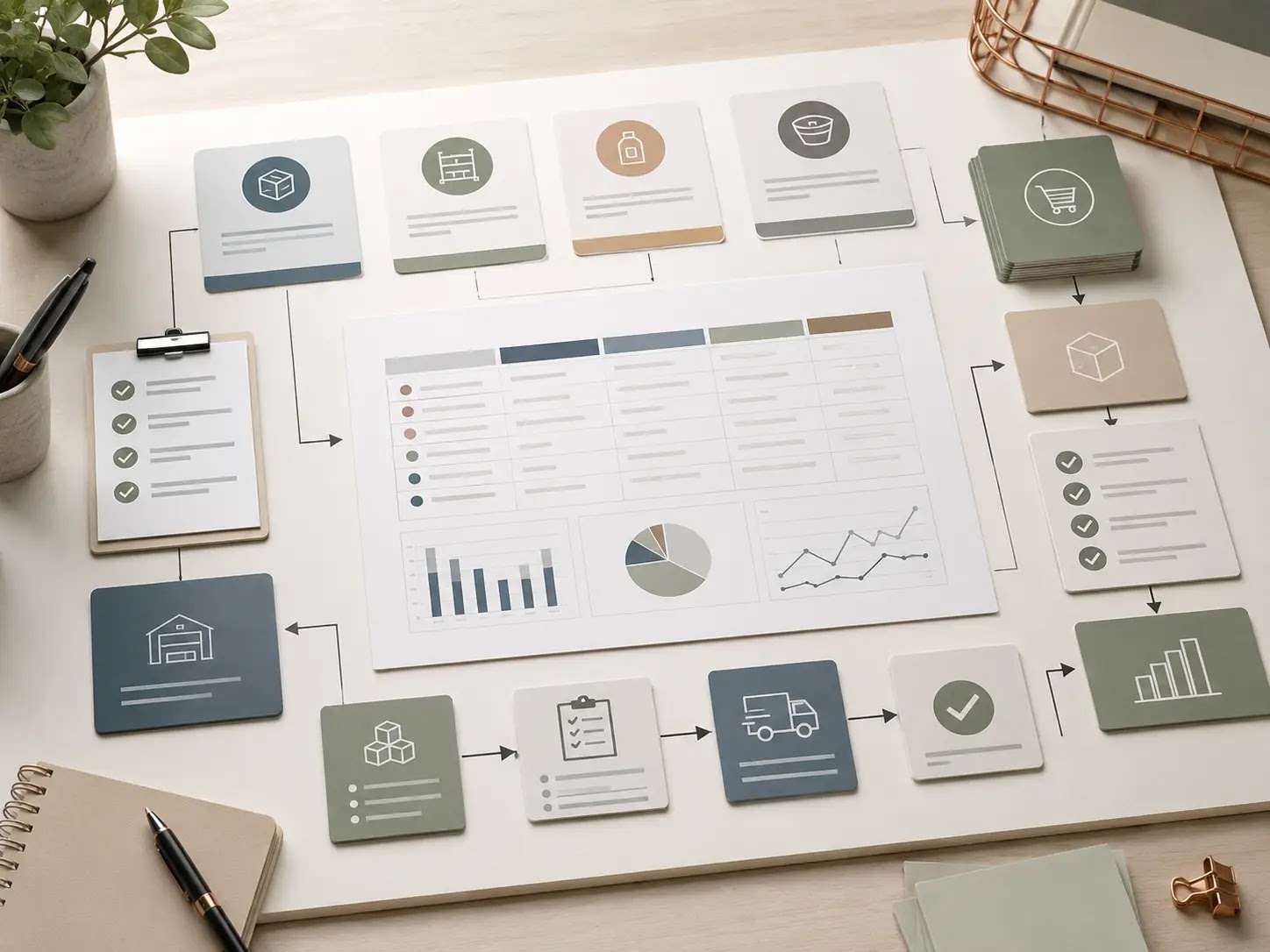
What planning risks can change the best legal structure for a vending machine business?
If you are comparing LLC, corporation, or sole proprietor status for a vending route, the real question is not just filing simplicity. It is how much liability exposure, admin work, and financing friction you are willing to carry as machines, cash handling, inventory, repairs, commissions, and route mileage grow.
A sole proprietorship can be the lightest setup for a small pilot, but it usually offers less separation between business and personal assets. An LLC is often used when founders want a cleaner operating structure and easier separation for contracts, banking, and bookkeeping. A corporation may make sense when ownership structure, investor expectations, or a more formal equity setup matters, but it can add more administrative layers. The right answer depends on your machine count, location agreements, insurance needs, and how quickly you expect to expand.
For vending operators, the structure choice should be tested against practical risk points: product liability, slip-and-fall exposure at a location, breakage or theft, vendor and landlord contract terms, and whether you need to show a more formal entity to lenders or partners. Tax treatment and filing obligations vary, so the business form should be reviewed with a qualified advisor before you rely on it in a plan.
Scenario panel: where the choice usually shifts
Small pilot with a few machines
Often favors simplicity, but the owner still needs to account for liability coverage, cash handling controls, and separate bookkeeping.
Route expansion with more locations
Usually puts more weight on entity separation, contract review, insurance coordination, and recurring admin tasks.
Planned financing or outside ownership
May push the structure discussion toward a more formal entity if lenders, partners, or investors want clearer records and ownership terms.
| Planning risk | Why it matters in vending | Assumption affected | How to verify |
|---|---|---|---|
| Personal liability exposure | Machine placement, customer injury, property damage, or product issues can create claims tied to the business. | Need for separation between owner and business assets | Review insurance requirements, contract terms, and entity guidance with an attorney and insurer. |
| Contract and lease requirements | Location agreements may require a business entity, proof of insurance, or specific indemnity language. | Whether a sole proprietorship is practical for the route | Check current landlord, host-site, and vendor contract forms before signing. |
| Tax and bookkeeping complexity | Inventory, cash collections, repairs, commissions, and mileage tracking become harder to manage without clean records. | Owner time, admin cost, and reporting burden | Ask a CPA how each structure affects filing, owner pay, and recordkeeping for your state and setup. |
| Financing or vendor onboarding | Some lenders, suppliers, or equipment vendors may prefer formal entity documents and business banking. | Startup capital access and purchasing workflow | Confirm current application requirements with lenders, suppliers, and payment processors. |
Once these risks are mapped to your assumptions, the final step is straightforward: turn the chosen structure into a short launch checklist for filings, insurance, banking, contracts, and bookkeeping so the setup is ready before the first machine goes live.
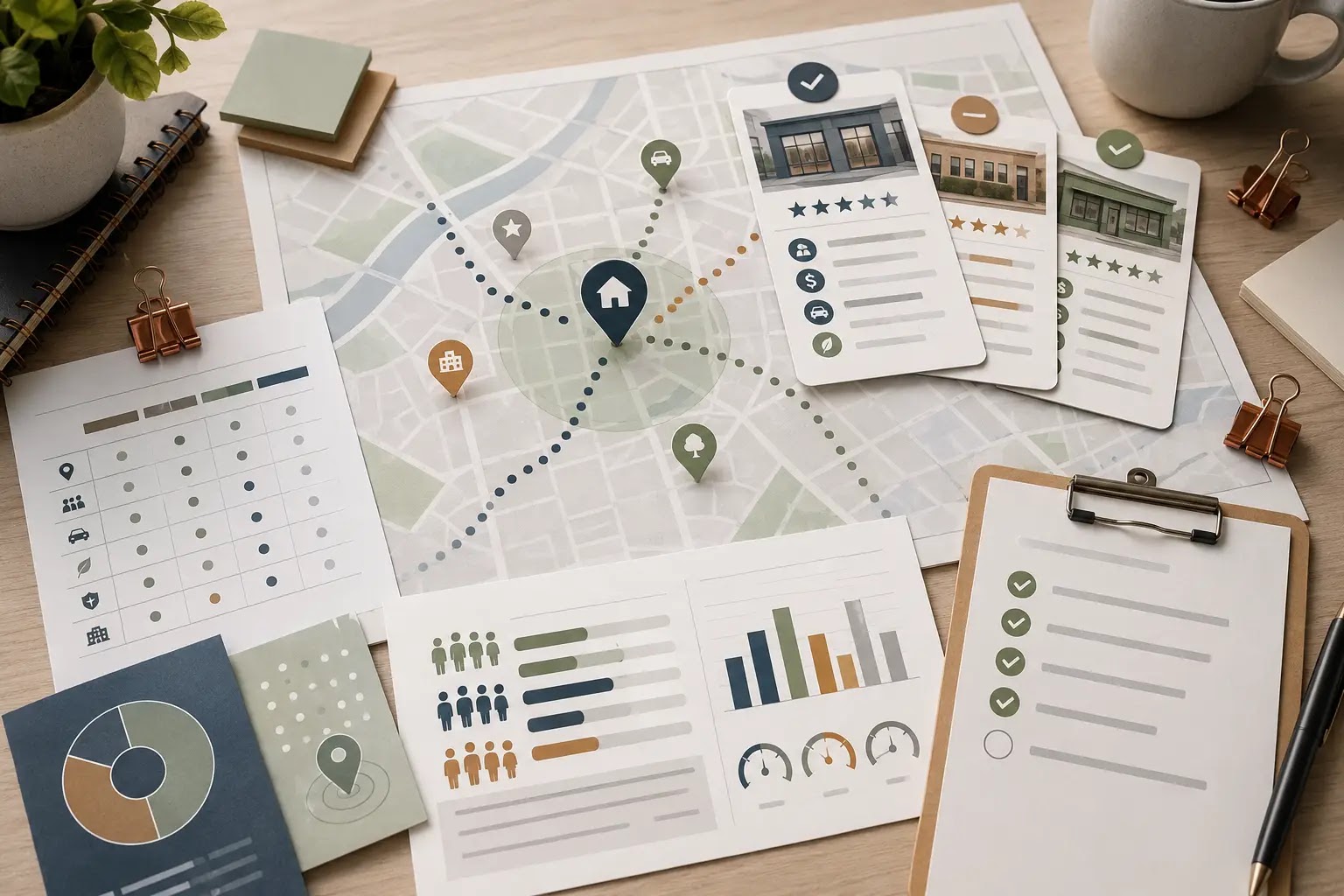
What should you do next before choosing LLC, corporation, or sole proprietor?
The practical answer is to match the legal structure to how your vending business will actually operate: how much contract risk you will take on, whether you plan to add partners or investors, how you want banking and bookkeeping handled, and how much separation you want between business obligations and personal assets. For many founders, that means comparing the structure against route mileage, machine placement contracts, inventory purchases, repair exposure, commissions, and working capital needs.
Quick recap of the decision path
- Start with your operating plan, not the entity label alone.
- Check how contracts, insurance, and vendor terms will be signed and managed.
- Make sure bookkeeping, taxes, and banking will be manageable as the route grows.
- Verify state and local filing rules before you register anything.
- Choose the structure that fits your risk tolerance and planned expansion path.
Decision readiness scorecard
| Planning question | What to confirm | Why it matters |
|---|---|---|
| Will you sign location, service, or supplier contracts? | Who will be the contracting party | Affects liability separation and banking setup |
| Will you own multiple machines or a growing route? | Expected scale over the next 12 to 24 months | Impacts bookkeeping, insurance, and admin load |
| Will you bring in partners or outside capital? | Ownership and control expectations | Shapes entity choice and governance needs |
| Do you need cleaner separation of business and personal finances? | Banking, accounting, and recordkeeping process | Helps document the business as a separate operating entity |
Next planning steps
- Confirm the state filing path and any local registration steps.
- Review insurance, contract, and lease requirements tied to your locations.
- Set up bookkeeping for inventory, repairs, commissions, mileage, and cash handling.
- Map how the structure will affect lender conversations and vendor onboarding.
- Document your assumptions before you buy machines or sign placement agreements.
A business plan, financial model, pitch deck, checklist, and startup toolkit can help organize these assumptions, compare structure scenarios, and document the plan for partners, lenders, landlords, or advisors.
Final takeaway: for a U.S. vending machine founder or buyer, the best legal structure is the one that fits your contracts, risk exposure, and growth plan after you verify the local rules and operating details.


