
Vending Machine High-Margin Add-Ons to Evaluate
A practical U.S. planning guide for vending machine high-margin add-ons to evaluate, built for founders, buyers, and operators comparing assumptions before committing capital.

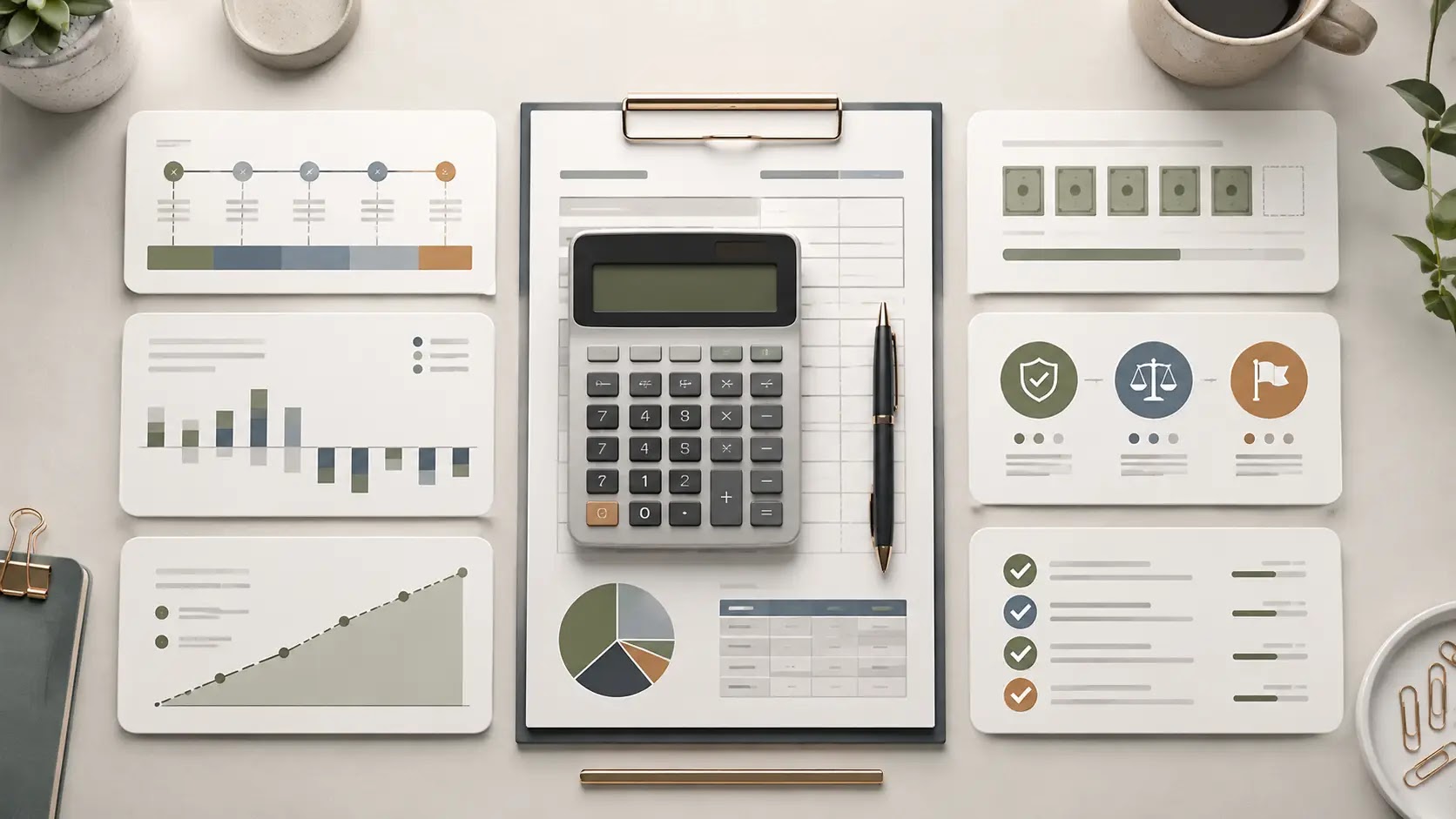
Which vending machine add-ons are worth evaluating first?
If you are buying or launching a vending route, the best add-ons are usually the ones that improve net margin without creating extra spoilage, refill time, or service complexity. In practice, that means testing product choices, pricing tiers, and machine features against the real economics of each location—not just the shelf markup.
For a U.S. vending business, the decision is rarely “what sells for the highest price.” It is more often “what sells consistently, fits the customer segment, and still leaves room for commissions, route mileage, repairs, and working capital.”
| What the reader is deciding | What must be verified locally |
|---|---|
| Which add-ons belong in the machine mix | Location traffic, customer segment, shelf space, service cadence, and competing options nearby |
| Whether the add-on improves margin after all costs | Local product prices, commission terms, machine type, refill labor, route mileage, and spoilage risk |
High-margin add-ons can include premium beverages, better-performing snack lines, healthier alternatives, cashless payment features, or location-specific items that lift basket size. But the right choice depends on whether the machine can keep up with demand and whether the location can support the added operating burden.
Biggest assumption categories to verify before you commit
- Lease and location terms: whether the site allows the product mix, hours, placement, and any revenue-share or commission structure.
- Equipment fit: whether the machine can handle the size, temperature, or dispensing needs of the add-on.
- Labor and route time: whether the add-on increases stocking time, service calls, or travel between stops.
- Menu economics: whether the item supports your target price, turnover rate, shrink tolerance, and gross contribution.
- Permits and local requirements: whether the market has location-specific rules that affect what can be sold or where the machine can operate.
- Working capital: whether you can fund inventory, repairs, and replenishment before sales stabilize.
- Funding readiness: whether your lender, partner, or investor assumptions match the route plan and cash needs.
Next, use a practical framework to sort add-ons by location type, operating burden, and margin impact so the offer mix supports the route instead of just the shelf.
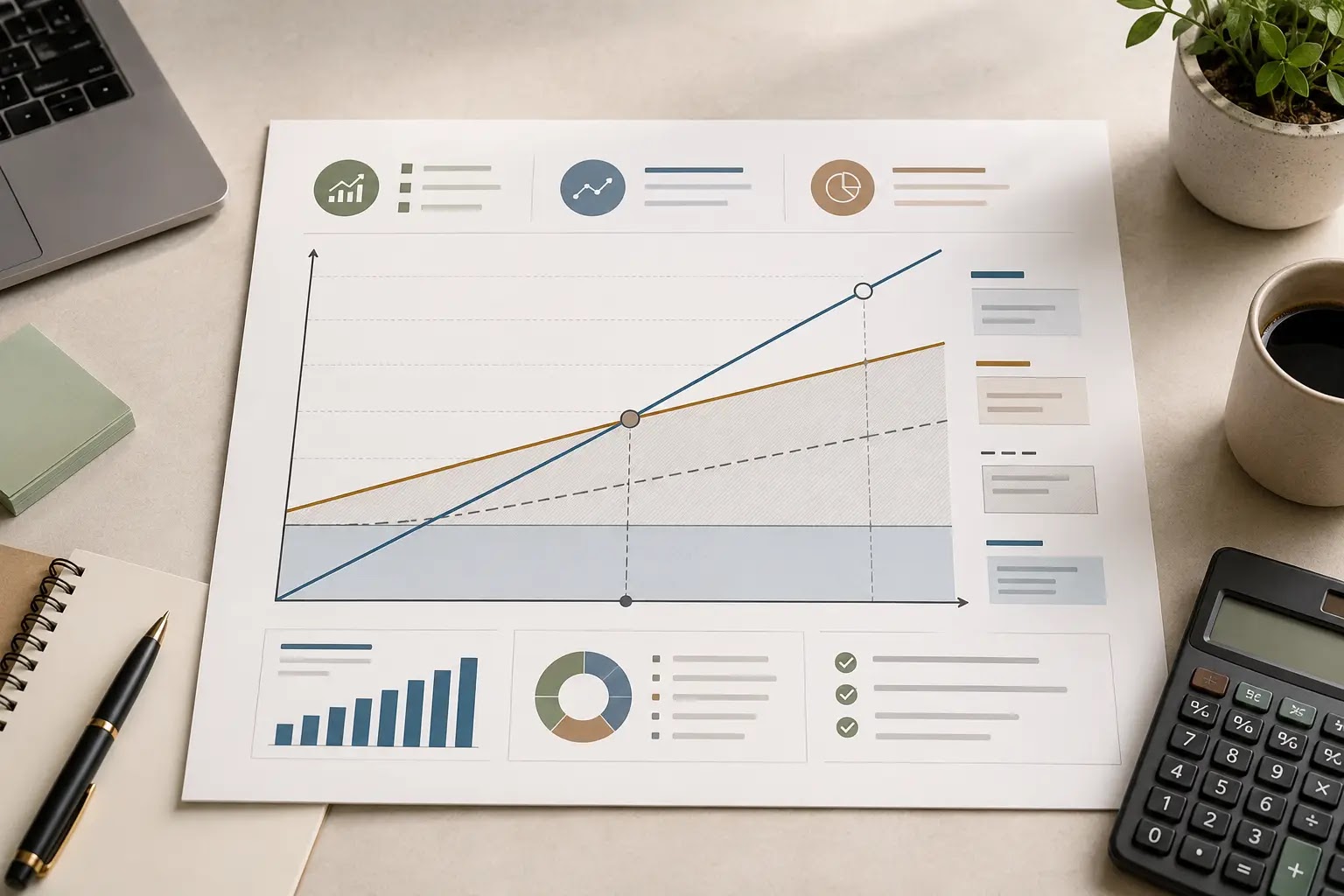
Which add-ons deserve a place in a vending machine menu?
For a vending machine operator, an add-on is only worth testing if it improves the full route economics: wholesale cost, spoilage, refill labor, route mileage, commissions, machine capacity, and payment acceptance. The practical goal is not to find the “best” product in theory, but the product that can hold margin after real operating friction.
What to compare before you add a product line
Use the framework below to screen each candidate add-on before you buy inventory or rework a machine plan. It is designed for menu, product, and pricing decisions, not generic retail advice.
| Planning area | Question to answer | Input to collect | Model impact | Verification source |
|---|---|---|---|---|
| Product fit | Does the add-on match the location’s demand pattern and buying occasion? | Location type, traffic mix, daypart behavior, customer segment, nearby food options | Affects expected sales volume and product mix assumptions | Site walk, customer observation, location owner feedback, competing machine scan |
| Unit economics | Does the item leave enough gross margin after wholesale cost? | Supplier quote, case pack size, suggested retail range, shrink allowance | Drives gross margin per unit and category margin rate | Current supplier quote, distributor sheet, operator comparison, invoice review |
| Machine compatibility | Will the item vend reliably in the current machine? | Size, weight, temperature needs, spiral or shelf fit, packaging type | Impacts machine selection, vend failure risk, and product waste | Machine spec sheet, test vend, service technician input |
| Spoilage and expiration | How fast must the product turn before it becomes a loss? | Shelf life, storage conditions, expected turns, breakage risk | Changes write-off assumptions and working capital needs | Supplier handling guidance, prior sales data, pilot inventory review |
| Route burden | Will the add-on reduce or increase refill frequency? | Refill cadence, case count, route mileage, labor time per stop | Affects route cost per stop and effective margin after labor | Route logs, mapping software, driver time study, refill history |
| Location commission | Can the item still work after placement fees or revenue share? | Commission terms, rent, minimum guarantee, shared utility costs if any | Reduces net contribution margin by location | Draft location agreement, operator benchmark, landlord or host terms |
| Supplier terms | Do purchase terms support the cash cycle you need? | Minimum order, lead time, reorder rules, payment terms, freight charges | Impacts cash conversion and inventory carrying cost | Vendor quote, invoice terms, freight estimate, buying history |
| Pricing flexibility | Can you adjust retail price without hurting demand? | Observed customer tolerance, competitor price points, bundle options | Determines upside from price testing and promo strategy | Nearby machine checks, pilot test results, prior sales telemetry |
How to move from research to documented assumptions
- List the candidate add-ons by machine type and location type, not by what looks attractive in isolation.
- Collect current supplier quotes for each item and record the case pack, freight treatment, and reorder minimums.
- Check whether the item fits the machine mechanically and operationally, including temperature needs and vend reliability.
- Estimate the extra route burden: refill frequency, time on site, and miles added to the route.
- Apply location-specific costs such as commissions, rent, or shared expenses so you are working with net contribution, not shelf price alone.
- Flag spoilage, breakage, and slow-turn risk for every item that is sensitive to shelf life or packaging damage.
- Document the assumption set in one place so the pitch deck, financial model, and purchase plan all use the same inputs.
- Run a small pilot before scaling, then revise the assumption sheet based on actual turns, refill effort, and customer response.
What to keep on the assumption sheet
- Wholesale cost, freight treatment, and supplier lead time
- Expected retail price range by location type
- Machine compatibility and vend failure risk
- Spoilage, shrink, and expired-inventory allowance
- Route time, mileage, and refill frequency
- Commission or placement fee assumptions
- Working capital tied up in inventory
- Test threshold for keeping or dropping the add-on
Once these product and pricing assumptions are documented, the next step is to translate them into scenario-based model inputs, route economics, and downside checks in Block 3.
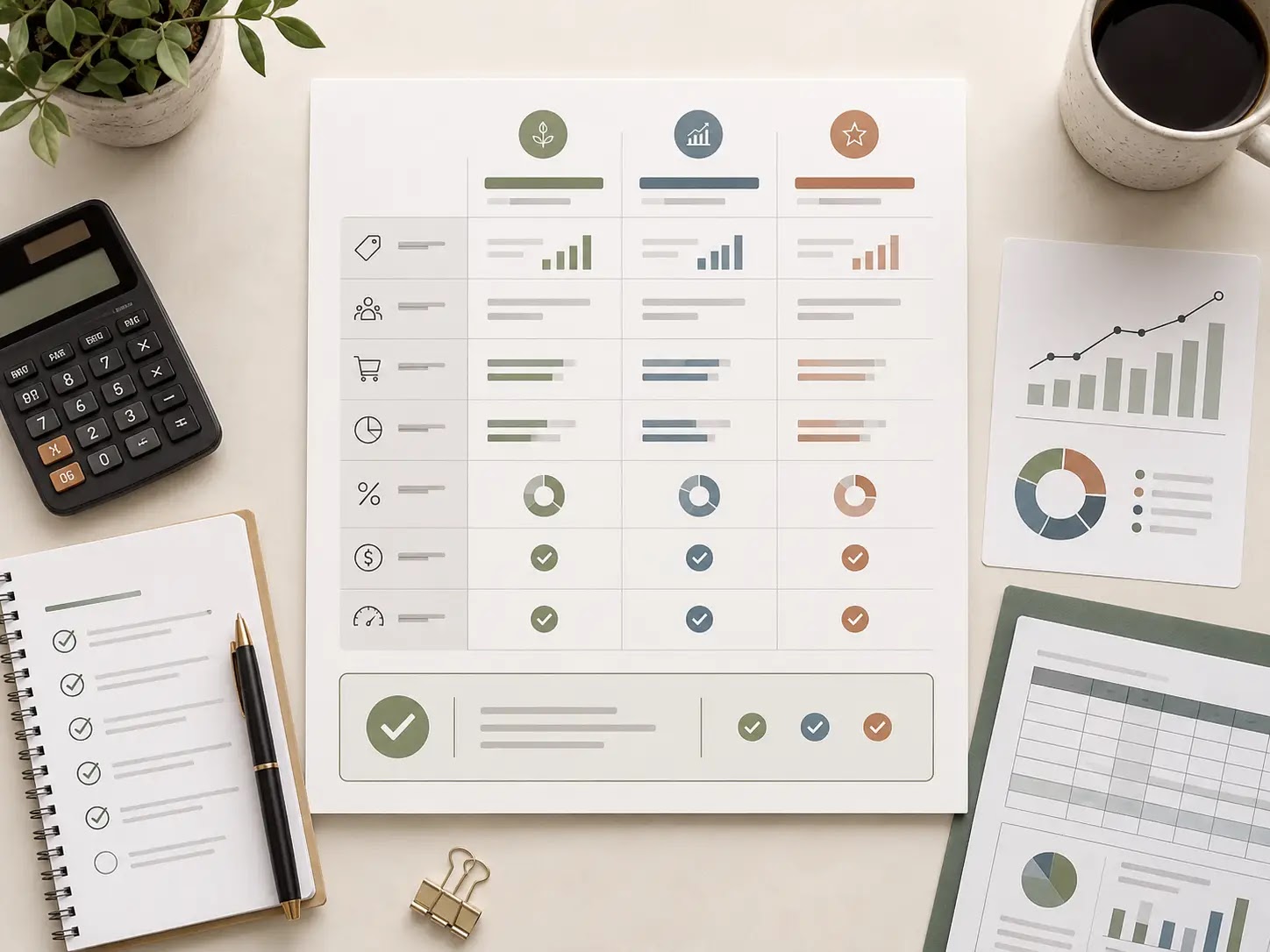
How do add-on choices change your margin, cash need, and break-even plan?
For a vending machine route, high-margin add-ons can improve gross profit, but they can also increase spoilage, refill frequency, payment fees, and route miles. The right mix is not just a product question; it is a working-capital and operating-coverage question.
The core assumption to test is whether the add-on improves net contribution after commissions, labor allocation, and restocking time—not just unit margin on paper.
Assumptions that most often move the answer
- How often the machine must be serviced to keep the add-on mix stocked and fresh.
- Whether the location supports premium pricing or pushes buyers toward lower-cost items.
- How much of each sale is lost to spoilage, shrink, fees, commissions, or markdowns.
- Whether the route can absorb extra stops without raising labor and fuel cost too much.
- How much cash is tied up in opening inventory and the first refill cycle.
Simple calculator-style planning worksheet
Illustrative placeholders only. Replace these inputs with current quotes, machine data, and local site terms.
| Metric | Formula or input | What it tells you |
|---|---|---|
| Startup cash need | Equipment + install + opening inventory + deposits + initial working capital reserve | How much cash is needed before the route begins to recycle inventory sales |
| Net contribution per sale | Selling price - landed cost - payment fee - spoilage reserve - commission allocation | Whether the add-on actually improves margin after route friction |
| Monthly gross contribution | Units sold per month × net contribution per sale | How much the add-on can support fixed overhead and route labor |
| Break-even sales | Fixed monthly overhead ÷ net contribution per sale | How many sales the route needs to cover rent, fuel, software, and other fixed costs |
| Cash runway | Available cash ÷ average monthly cash burn | How long you can operate while the machine mix and locations stabilize |
| Labor coverage | Service hours per route stop ÷ sales generated by that stop | Whether the add-on improves return on driver time or slows the route down |
Planning formula: the best add-on is usually the one that improves net contribution per route stop without pushing refill frequency, waste, or labor beyond what your cash flow can support.
Scenario tradeoffs to compare before you commit
| Scenario | Mix emphasis | Margin pressure | Operational tradeoff | Planning takeaway |
|---|---|---|---|---|
| Premium add-on mix | Higher-ticket items with stronger unit margin | Lower spoilage risk, but weaker demand in some sites | May need better location selection and tighter pricing control | Works best where buyers value convenience and the site supports premium pricing |
| Value-heavy mix | Lower price points and broader appeal | Margin can tighten after fees and commissions | Usually simpler to stock, but may require more units to reach break-even | Useful when traffic is strong and price sensitivity is high |
| Fresh or perishable add-ons | Items with higher potential gross margin but more spoilage risk | Waste can erase paper margin quickly | Needs tighter replenishment timing and better route discipline | Best only when service frequency and sell-through are proven locally |
| Commission-heavy location | Any mix placed in a site with a meaningful location payment | Net margin depends heavily on site terms | Can be profitable only if sales volume stays strong enough | Compare the add-on mix against the site agreement, not in isolation |

What should you do next after evaluating vending machine add-ons?
If the add-on improves gross margin only on paper, it is not ready. The practical decision path is simple: confirm the product fits the location, verify replenishment and spoilage risk, check machine capacity and route labor, and test whether commissions, vendor terms, and working capital still work after the upgrade.
The best add-ons are the ones that raise net contribution without creating avoidable complexity in stocking, maintenance, or cash flow.
| Planning check | What to confirm | Decision signal |
|---|---|---|
| Location fit | Does the add-on match the site’s customer mix, usage pattern, and daypart demand? | Proceed only if the fit is strong enough to support repeat purchases. |
| Net margin | Do product cost, spoilage, commissions, and route labor still leave room for profit? | Move forward only if margin remains healthy after all operating inputs. |
| Operational load | Will the add-on increase restock time, machine jams, temperature control needs, or service calls? | Avoid options that add complexity faster than revenue. |
| Working capital | Can you fund initial inventory, machine setup, and any slower sell-through period? | Delay launch if cash needs are too tight. |
| Vendor terms | Are supply terms, minimum orders, and replacement lead times acceptable? | Verify before scaling beyond a pilot location. |
Next-step checklist
- Rank your add-ons by expected gross margin, spoilage risk, and refill frequency.
- Compare each option against the machine type, storage capacity, and route time required.
- Check whether the site can support the price point, package size, and repeat demand.
- Model commissions, product shrink, and service time so the net return is realistic.
- Confirm supplier availability, lead times, and replacement terms before you commit inventory.
- Run a small pilot before making route-wide changes.
Planning bridge: If you are turning these choices into a lender, partner, or landlord conversation, a business plan, financial model, pitch deck, checklist, and startup toolkit can help organize assumptions, compare scenarios, and document the plan in one place.
Final takeaway: For a U.S. vending machine founder or buyer, the right add-on is the one that improves net profit without straining inventory, labor, or cash flow—so verify it locally, pilot it carefully, and scale only after the numbers still work.


