
Vending Machine Bundles, Add-Ons, and Upsell Planning
A practical U.S. planning guide for vending machine bundles, add-ons, and upsell planning, built for founders, buyers, and operators comparing assumptions before committing capital.

What should you bundle, add, and upsell in a vending machine plan?
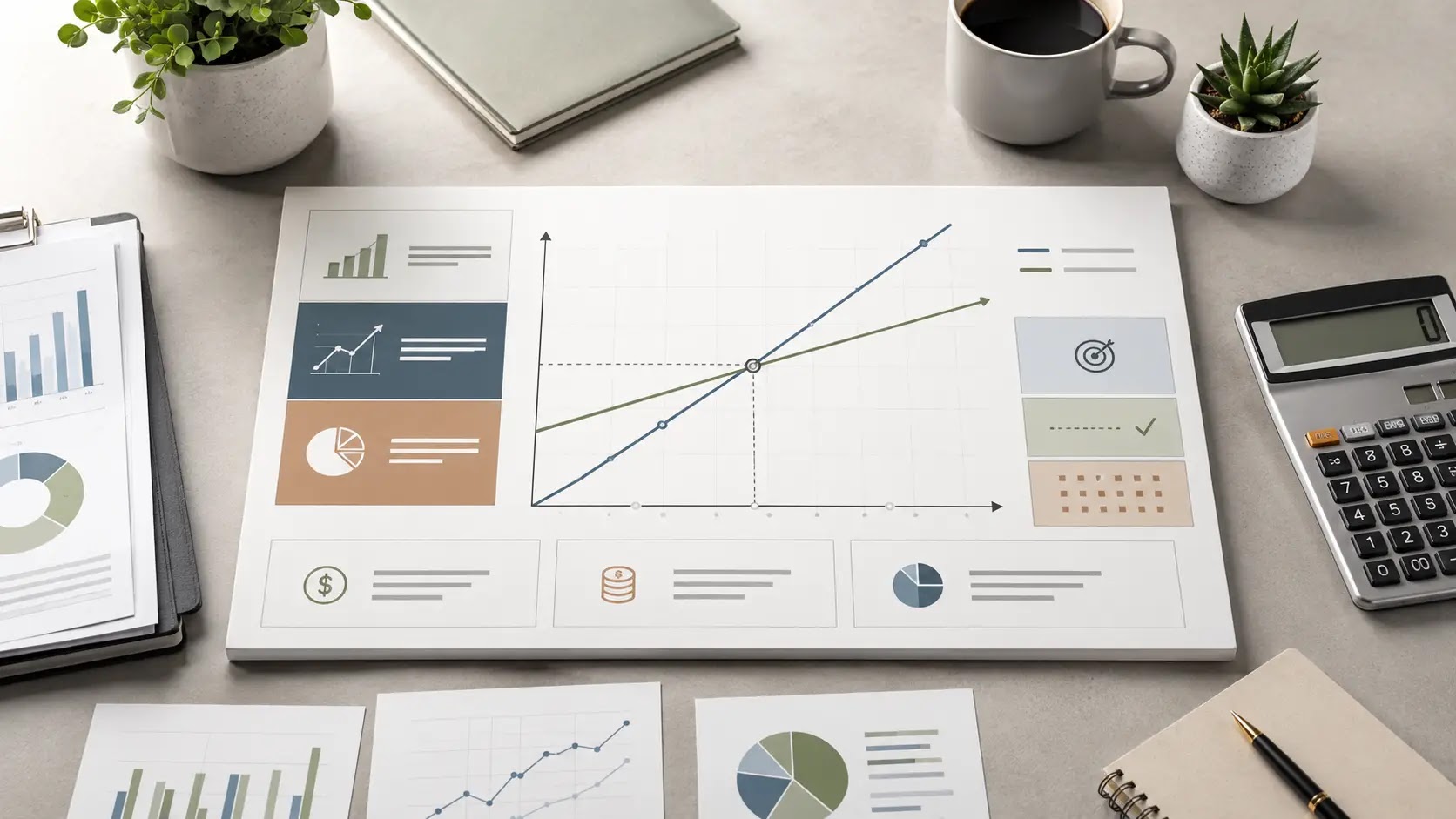
If you are comparing vending machines, locations, or route expansion options, the main question is not just what sells best. It is whether the bundle, add-on, and upsell mix fits your stop traffic, refill cadence, commission structure, spoilage risk, and working capital needs.
For a U.S. vending machine business, those choices can change equipment counts, inventory depth, service labor, route mileage, repair exposure, and how much cash you need before the route stabilizes. The right offer mix depends on the local location type and the actual operating terms you can verify with the property owner, vendor, and suppliers.
| What the reader is deciding | What must be verified locally |
|---|---|
| Which machine mix and product bundle fits the site | Traffic pattern, customer type, space limits, and placement terms |
| Which add-ons are worth carrying | Local product demand, reorder frequency, spoilage risk, and supplier availability |
| Whether an upsell strategy improves margin | Commission requirements, pricing tolerance, maintenance burden, and route efficiency |
A practical planning lens is to treat each bundle or add-on as a small operating bet. If it increases revenue but also raises restock trips, cash tied up in inventory, or machine service time, it may weaken the route unless the local location can support it. That is why the decision should be tested against site economics, not just product appeal.
- Lease or placement terms: space, access, hours, commission, and exclusivity assumptions
- Equipment mix: machine type, capacity, reliability, and replacement timing
- Labor and route time: stocking frequency, drive time, and service workload
- Menu economics: product margin, spoilage, shrink, and package size
- Permits and approvals: location-specific requirements that vary by market
- Working capital: inventory, cash float, repairs, and launch coverage
- Funding readiness: whether the plan is documented well enough for lenders, partners, or investors
With those assumptions in view, the next step is a practical framework that turns the product mix into planning inputs you can compare across locations and scenarios.
How should a vending machine bundle and upsell plan be structured?
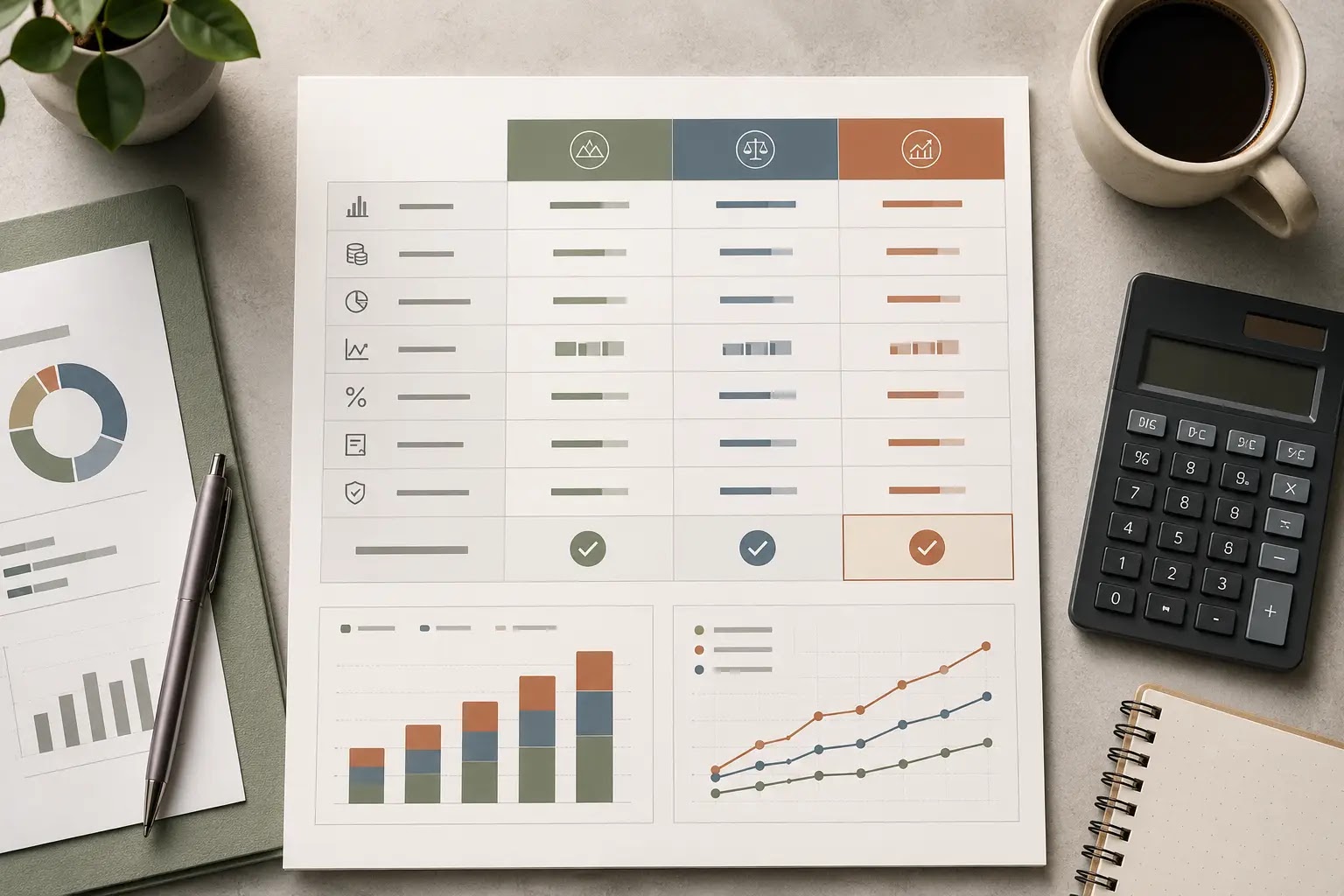
For a U.S. vending machine business, the practical question is not just what products to stock, but how each bundle, add-on, and upsell affects slot usage, refill frequency, spoilage risk, route miles, commissions, and margin. The goal is to document assortment decisions in a way that can be compared across locations before you lock in inventory and equipment commitments.
What to decide before you finalize the mix?
Start with the machine and location together. A bundle that works in one site may fail in another if foot traffic, payment behavior, or service access changes the economics. Treat every product choice as a planning input, not a guess.
| Planning area | Question to answer | Input to collect | Model impact | Verification source |
|---|---|---|---|---|
| Core bundle mix | Which product group belongs in the base assortment for this location? | Machine type, slot count, location type, expected buyer profile | Shapes inventory value, fill pattern, and sales mix assumptions | Location walk-through, prior sales history, operator experience |
| Add-on items | Which extra SKUs can raise ticket size without hurting turnover? | Candidate SKUs, package size, unit cost, shelf life, margin target | Changes average sale value, spoilage risk, and working capital needs | Supplier quotes, product spec sheets, sample test orders |
| Upsell path | What product pairing or price ladder can move buyers to a higher-value choice? | Entry item, premium item, price gap, package format | Affects item mix, expected basket value, and cannibalization risk | Route data, pilot results, competitor checks |
| Location fit | Does the site support impulse snacks, beverages, healthy options, or hybrid assortments? | Buyer type, dwell time, daypart usage, space limits | Influences product rotation, stock depth, and sales per machine | Site visit, facility contact, customer observation |
| Service cadence | How often will the bundle need refilling or rotation? | Expected sell-through, spoilage window, route schedule, travel distance | Impacts labor, mileage, breakage, and restocking frequency | Route plan, historical turns, vendor pack counts |
| Supplier terms | Do case sizes, minimum orders, and lead times support the planned mix? | Case pack, minimum order, delivery timing, credit terms | Determines cash tied up in inventory and replenishment timing | Vendor quotes, invoices, purchase terms |
| Commission or site-share items | Will the location require a revenue share, exclusive product list, or special pricing? | Draft location terms, product restrictions, fee structure | Changes gross margin and the break-even level for each machine | Location agreement, landlord or operator discussion |
| Promotional add-ons | Should the machine support seasonal, limited-time, or premium-priced items? | Seasonal demand, replacement cost, promo calendar | Can lift revenue but may increase waste and reset labor | Past sales patterns, test runs, supplier availability |
How do you move from product ideas to documented assumptions?
- Define the machine’s role: core snack, beverage, combo, or location-specific assortment.
- List the candidate bundles and add-ons you want to test, including any premium or seasonal items.
- Collect the inputs that change the mix: slot count, case pack size, shelf life, unit cost, and refill cadence.
- Check whether the location’s buyer profile supports the products you want to sell.
- Match each item to a supplier source and confirm ordering terms, lead times, and minimum quantities.
- Record the pricing logic for each tier so the base item, premium item, and add-on are clearly separated.
- Note any site-share, commission, or exclusive-product requirements that affect the assortment.
- Document the assumption set in a format that can be reviewed later when sales data comes in.
What should be captured in the planning file?
- Core SKU list by machine type and location type.
- Assumed sell-through by product group, not just total revenue.
- Inventory value tied up in each bundle.
- Expected refill cadence and route impact.
- Any premium pricing, combo pricing, or upsell trigger.
- Supplier terms that change ordering rhythm or cash needs.
- Site-specific restrictions that limit the mix.
Once the assortment logic is documented, the next step is to translate these bundle and upsell choices into revenue, replenishment, margin, and cash-flow assumptions in Block 3.
How do bundles, add-ons, and upsells change the financial picture?
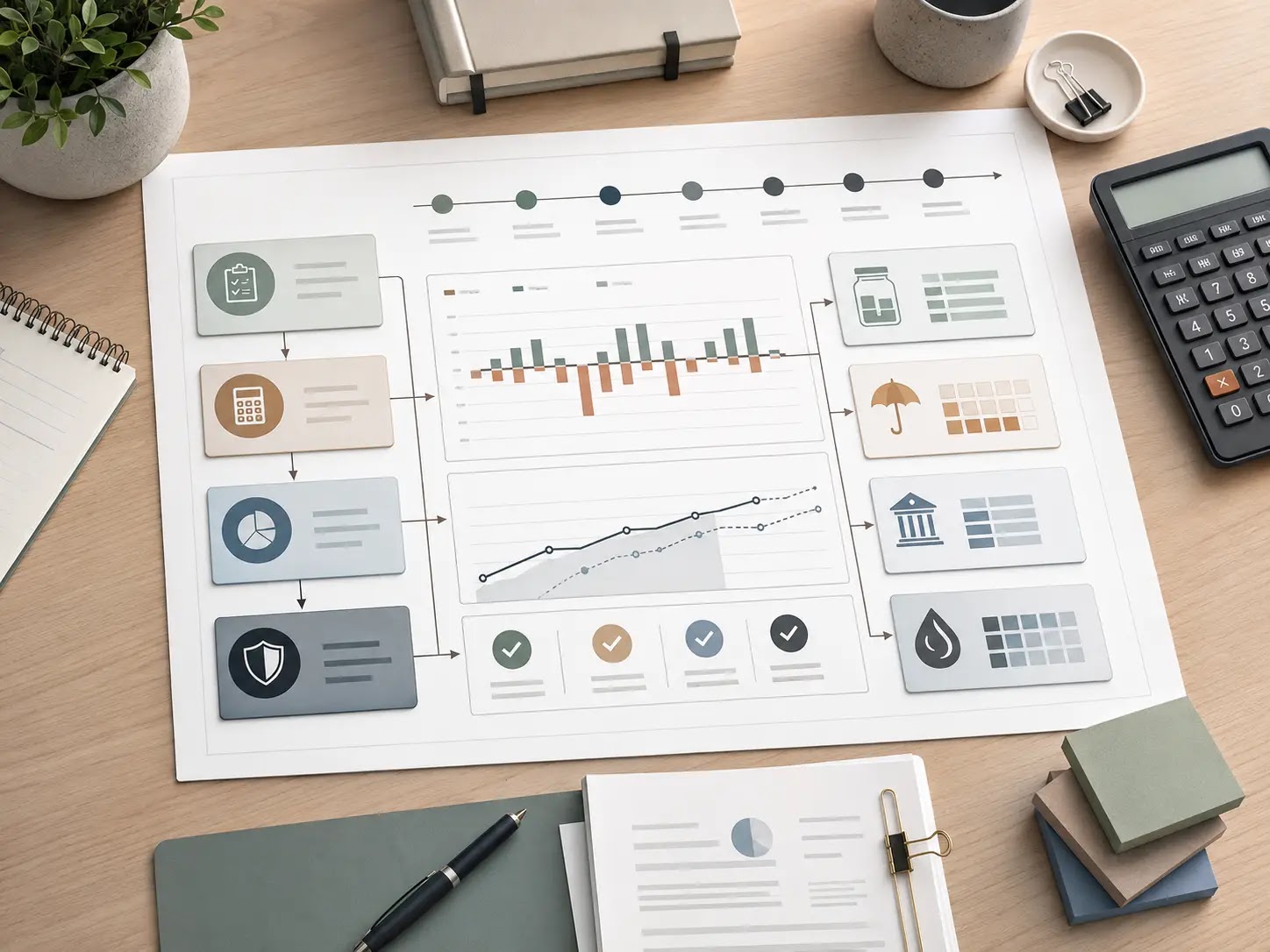
For a vending machine operator, the upside is usually higher average ticket and better revenue per stop. The tradeoff is that more complex offers can increase inventory cash, dead stock risk, spoilage, service time, and the amount of working capital you need before sales stabilize.
Assumptions that move the model
- Sales mix: which products actually move in each location, not just which items look attractive on paper.
- Bundle attachment rate: how often a customer buys a second item or a higher-priced substitute.
- Gross margin by SKU: premium items may earn more per sale, but only if they sell through fast enough.
- Route efficiency: extra SKUs can increase restocking time, mileage, and labor per stop.
- Losses and waste: spoilage, breakage, shrink, and out-of-stock events can erase margin gains.
Tradeoffs to test before you lock the offer mix
- More variety can improve customer fit, but it also ties up cash in slower-moving inventory.
- Premium add-ons can raise revenue per vend, but only if the location supports that price point.
- Combo-style offers may improve basket size, yet they can add complexity to stocking and machine planograms.
- Higher-traffic sites often justify better assortments, but commissions, service expectations, and repair exposure may also be higher.
Illustrative planning calculator
Replace every placeholder with current quotes, supplier terms, local commission assumptions, and verified route data. This is a planning tool, not a forecast.
| Planning line | Placeholder input to replace | Simple planning formula | Why it matters |
|---|---|---|---|
| Startup inventory and setup need | Machine cost, initial stock, delivery/setup, software, deposits, and working capital reserve | Sum of startup items | Shows how much capital you need before the first refill cycle stabilizes |
| Monthly fixed cash burn | Commission/rent, labor, fuel, software, insurance, repairs reserve, admin | Monthly fixed costs total | Sets the floor your sales must cover |
| Blended gross margin | Product mix, vendor cost, spoilage allowance | Sales weighted by margin by SKU | Higher-priced items help only if margin stays strong after losses |
| Break-even sales | Monthly fixed cash burn and blended gross margin | Fixed burn ÷ blended margin | Tells you whether the bundle mix is realistic for the location |
| Cash runway | Cash available and monthly burn | Cash available ÷ monthly burn | Helps judge whether you can survive slow ramp-up or a weak site |
| Funding gap | Total startup need, owner cash, committed financing | Startup need minus committed capital | Shows whether you need more equity, debt, or a smaller launch plan |
Quick sensitivity check
| Scenario shift | Likely model effect | Operational tradeoff | Planning question |
|---|---|---|---|
| Higher bundle attachment | Higher average ticket and better revenue per stop | More SKU variety and more inventory tied up | Can the location support the added assortment without slowing turns? |
| More premium add-ons | Potential margin lift | Greater risk of slow-moving stock | Will the customer segment pay enough to justify the cost of carry? |
| Higher commission or rent | Higher break-even sales and tighter cash runway | More pressure on route productivity | Does the site still work after location-based fees are included? |
| More route mileage | Higher service cost and lower route margin | More labor and fuel per refill cycle | Do the extra sales from upsells offset the added service time? |
What should you do next before you bundle, add, or upsell?
Practical recap: the best vending machine bundle or add-on is the one that fits the location, moves reliably, and still works after commissions, route mileage, spoilage, repairs, and inventory carrying needs are included. If a product only looks attractive on the shelf but weakens the route economics, it is usually not a good upsell.
Before you launch, compare the offer against customer demand, machine capacity, and working capital needs. Then confirm the numbers are still acceptable in your model for startup, acquisition, or expansion planning.
Readiness scorecard: are you ready to test the offer?
| Decision item | Ready when | What to verify next |
|---|---|---|
| Bundle fit | The mix matches the location type and expected buying pattern. | Walk the site, review competing options, and confirm the customer segment. |
| Margin after route costs | The offer still works after commissions, mileage, servicing, and spoilage. | Run the route-level model with current assumptions. |
| Machine capacity | The machine has room, configuration, and refrigeration capacity for the mix. | Check capacity limits, shelf layout, and refill frequency. |
| Inventory support | You can source, store, and replenish the items without straining cash flow. | Confirm vendor terms, lead times, and minimum order requirements. |
| Operational fit | Repairs, restocking, and changeouts stay manageable for the route. | Estimate labor time, service visits, and maintenance exposure. |
Next-step checklist
- Pick one bundle or upsell candidate to test first instead of changing the whole route at once.
- Document the exact product mix, expected sell-through, and restock pattern for that offer.
- Recheck the model for commissions, route mileage, spoilage, repairs, and inventory cash needs.
- Confirm the offer fits the machine type and the location’s customer profile.
- Compare the test offer against your current mix on margin, labor, and working capital impact.
- Gather current local pricing, supplier terms, and any site-specific restrictions before committing.
Useful planning bridge: a business plan, financial model, pitch deck, checklist, and startup toolkit can help you organize assumptions, compare scenarios, and document the decision for partners, lenders, landlords, or advisors.
Final takeaway: for a U.S. vending machine founder or buyer, the right bundle is not just a sales idea; it is a route-level decision. Choose the mix that holds up under real operating costs, then verify it locally before you scale.


