
What Makes a Vending Machine Business Bankable?
A practical U.S. planning guide for what makes a vending machine business bankable?, built for founders, buyers, and operators comparing assumptions before committing capital.
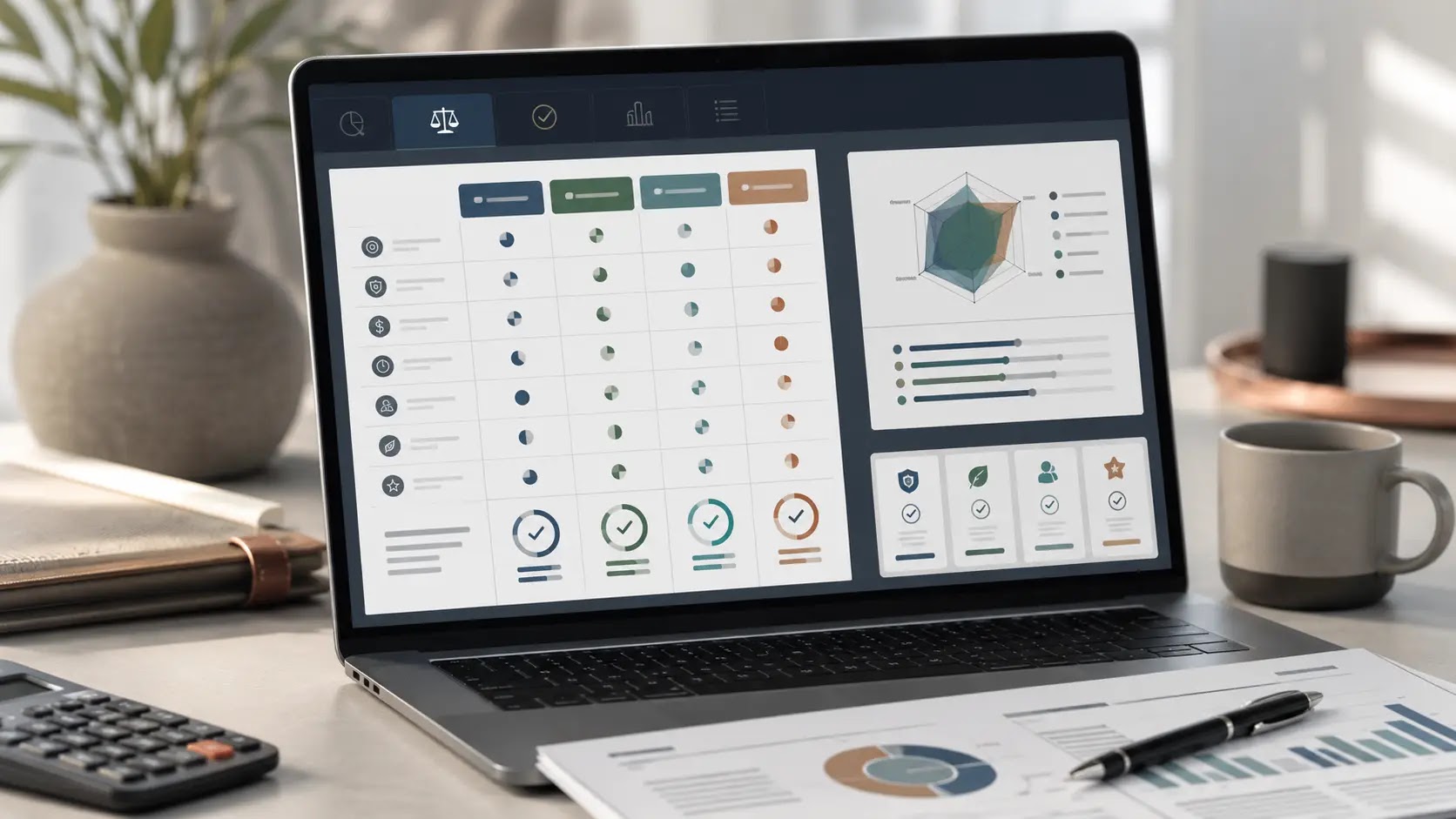
What makes a vending machine business bankable?
If you are deciding whether to start, buy, or finance a vending machine business, “bankable” usually means the plan is documented, the cash flow assumptions are defensible, and the operating details are specific enough for a lender, landlord, or partner to evaluate. For vending, that depends less on the idea itself and more on route quality, machine condition, inventory turnover, service reliability, and how much working capital you need before locations stabilize.
The bankability question is practical: can you show how machines will be placed, stocked, serviced, and paid for, and can you support the numbers with local evidence? In vending, the answer often changes by market because lease terms, location commissions, permit rules, product pricing, equipment availability, and repair costs vary.
| What the reader is deciding | Whether the vending business can support startup, acquisition, or funding decisions with enough cash flow discipline and operating proof. |
|---|---|
| What must be verified locally | Location economics, rent or commission terms, machine prices, route mileage, labor needs, inventory margins, repair exposure, permit requirements, and lender or landlord conditions. |
- Lease/buildout: whether site terms, access, power, and placement constraints fit the machine plan.
- Equipment: purchase price, condition, compatibility, and expected maintenance burden.
- Labor: stocking, collection, cleaning, repair coordination, and route time.
- Menu economics: product mix, spoilage risk, pricing room, and refill frequency.
- Permits: local requirements that may affect placement or operations.
- Working capital: cash for inventory, service calls, fuel, and early losses while routes mature.
- Funding readiness: whether the plan can stand up in a lender review or pitch deck.
Next, the practical framework shows which assumptions matter most and how to test them before you commit capital.
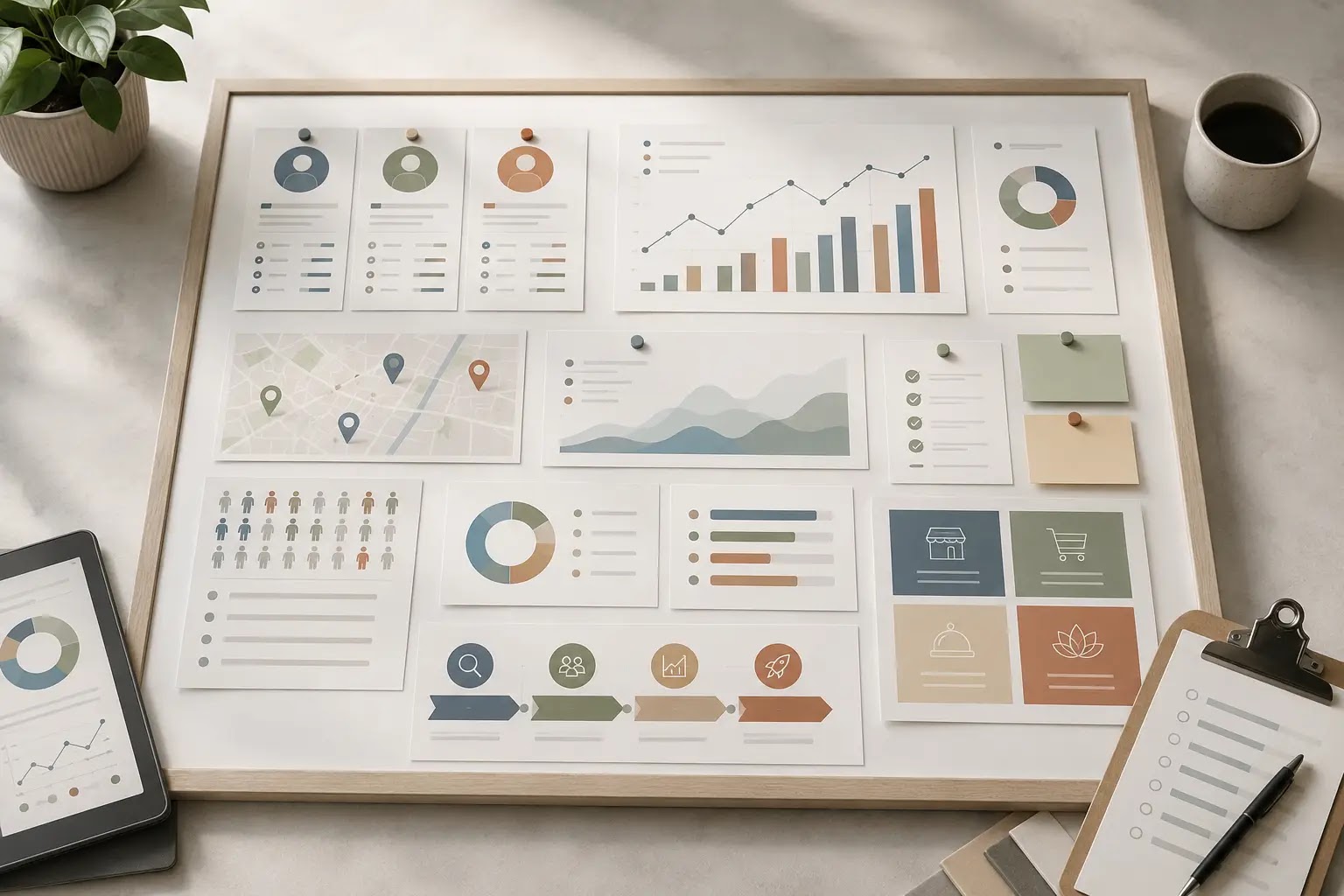
What inputs make a vending machine plan bankable?
For a U.S. vending machine startup, acquisition, or small route expansion, bankability comes down to whether the plan ties revenue to operating reality. The strongest plans show what each machine is expected to do, what it costs to keep it stocked and working, and how the site agreement affects margins.
Before you build the pitch deck or financial model, document the assumptions that drive sales, commissions, inventory turns, repair frequency, route mileage, software, and working capital. That is what makes the business easier to underwrite, compare, and manage.
Which planning inputs usually matter most?
| Planning area | Question to answer | Input to collect | Model impact | Verification source |
|---|---|---|---|---|
| Machine count and mix | How many machines will be in service, and what type of product mix will they support? | Machine list, age, category, payment capability, and product category by site | Revenue potential, maintenance load, and inventory complexity | Seller records, machine inspection, asset list, and site walkthrough |
| Location quality | Where will each machine be placed, and what traffic pattern supports demand? | Site type, foot traffic pattern, hours of access, and placement restrictions | Sales assumptions and service frequency | Property owner, site manager, and on-site observation |
| Site agreement terms | What does the location owner require in exchange for placement? | Commission structure, rent, term length, renewal rights, and exclusivity | Gross margin and deal stability | Draft agreement, signed contract, and landlord review |
| Inventory and replenishment | How often must machines be stocked, and what inventory is needed between fills? | Product list, fill cadence, spoilage risk, and supplier lead times | Cash tied up in inventory and route efficiency | Supplier quotes, route records, and storage plan |
| Route mileage and labor | How much time and travel are needed to service the route? | Route map, service frequency, labor schedule, and vehicle use assumptions | Fuel, labor, and owner-operator time cost | Drive test, route plan, and staffing schedule |
| Repairs and downtime | How often are breakdowns likely to interrupt sales? | Machine condition, service history, parts availability, and technician support | Maintenance expense and lost sales risk | Inspection report, service logs, and technician quote |
| Payment processing | Will machines accept cashless payments, and what are the processing terms? | Processor contract, device fees, and settlement timing | Sales conversion, cash handling, and net proceeds | Vendor proposal and processor agreement |
| Software and telemetry | How will the operator monitor sales, inventory, and machine status? | Platform features, subscription terms, and remote reporting capability | Replenishment efficiency and visibility into underperforming sites | Software demo, contract, and feature list |
| Working capital | How much cash is needed to cover inventory, repairs, and slower-than-expected ramp-up? | Starting cash reserve, supplier terms, and timing of first replenishment cycle | Liquidity and runway | Cash flow model and vendor terms |
How should a founder move from research to documented assumptions?
- Map the route. List every target machine, site type, and owner relationship so the plan is based on actual placements, not a generic route idea.
- Inspect the machines. Record age, condition, payment capability, and likely repair needs for each asset or unit you expect to buy.
- Confirm the site terms. Capture commissions, rent, exclusivity, term length, and any operating restrictions in writing before treating the location as secured.
- Build the replenishment logic. Estimate product mix, fill frequency, storage needs, supplier lead times, and spoilage exposure by machine type.
- Document route economics. Estimate travel time, mileage, labor, vehicle use, and service stops so the model reflects the real cost of coverage.
- Test payments and software. Verify cashless processing, telemetry, and reporting features so the plan reflects how sales and monitoring will actually work.
- Set the cash cushion. Tie working capital to inventory, repairs, commissions, and early-stage variability instead of assuming immediate steady performance.
- Save the source trail. Keep quotes, site notes, seller disclosures, photos, and draft agreements together so the assumptions are easy to defend in a pitch deck or lender packet.
Next, use Block 3 to translate these inputs into model implications, tradeoffs, and risk checks so the feasibility case can be tested before you commit capital.
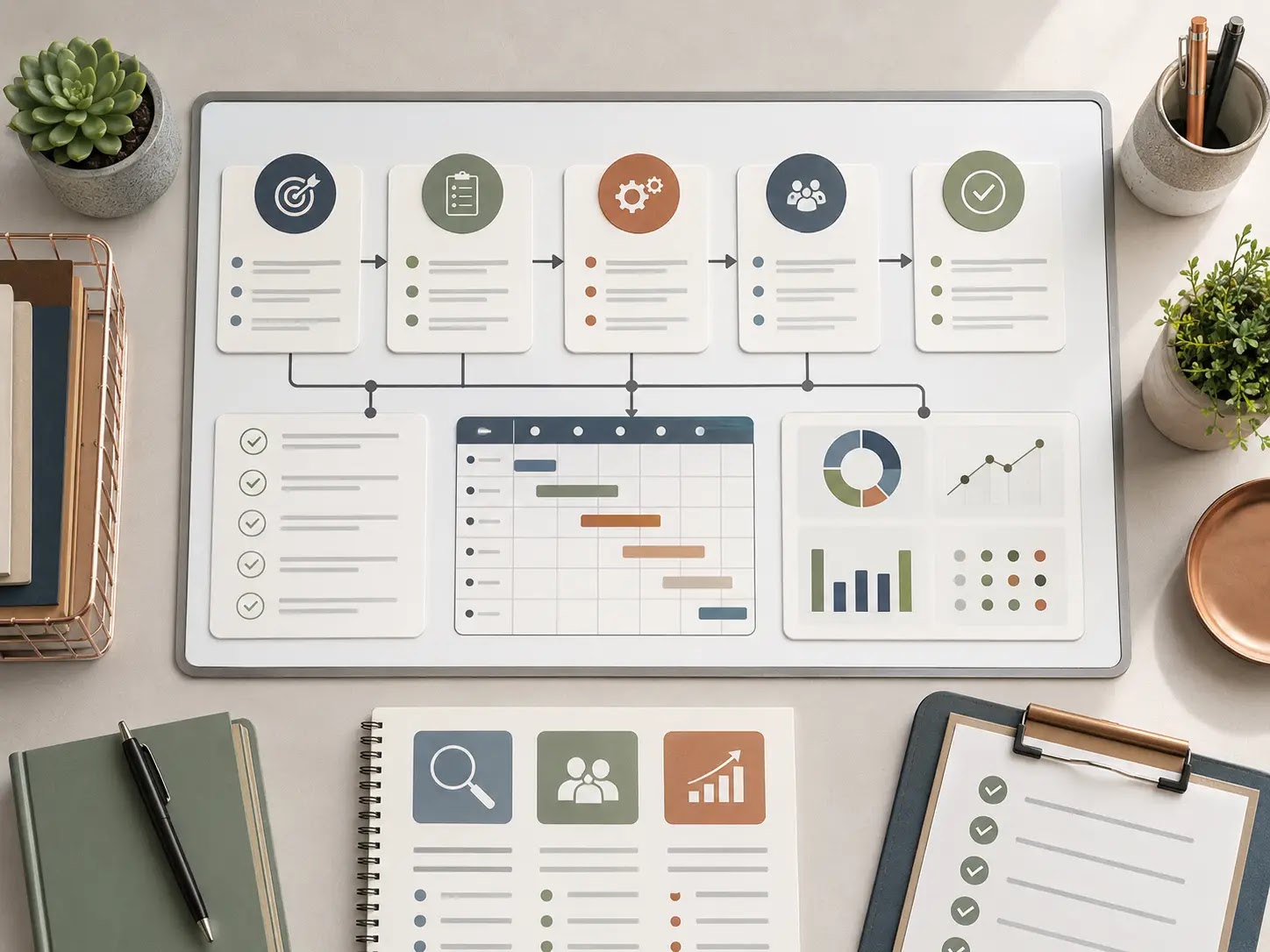
What tradeoffs make a vending machine business more or less bankable?
For a vending machine business, “bankable” usually means the story is supportable: the route logic is documented, the cash needs are realistic, and the operating assumptions still work if sales are slower than hoped. Lenders, buyers, and partners tend to look past the idea itself and focus on whether machine uptime, refill frequency, inventory control, route mileage, commissions, and repair exposure leave enough margin to cover debt service and working capital.
The biggest planning issue is rarely one single number; it is whether several small frictions stack up at once. A route that looks attractive on paper can weaken quickly if locations have lower traffic than expected, commissions are higher than modeled, service trips take longer, or equipment needs more repair and replacement than the initial budget assumed. In other words, bankability depends on how well the model holds up under real operating pressure, not just the best-case placement scenario.
That is why a practical vending plan should test downside cases before anyone treats it as finance-ready. If the assumptions still work when a few locations underperform, replenishment is less efficient, or inventory costs move against you, the business is easier to underwrite and easier to explain in a pitch deck or acquisition memo.
Base-case view
Route density, machine mix, and refill cadence are consistent enough to support a repeatable operating rhythm and a clear cash forecast.
Downside view
Lower traffic, higher spoilage or shrink, more repairs, or longer drive time can compress cash flow faster than many first drafts assume.
Bankability test
If the business still covers operating costs and reserve needs after conservative adjustments, the plan is easier to defend with buyers, lenders, and landlords.
| Planning risk | Why it matters in vending | Assumption affected | How to verify |
|---|---|---|---|
| Weak location performance | Traffic and buying patterns can vary widely by site, even within the same market. | Sales per machine, payback timing, route density | Review site history, observe foot traffic, and validate with placement records or operator references. |
| Higher-than-expected commissions or revenue share | Location terms can materially reduce gross margin on each machine. | Gross margin, net cash flow, acquisition value | Check current location agreements and compare terms against similar local placements. |
| Repair and downtime risk | Out-of-service machines stop producing while still consuming capital and attention. | Maintenance reserve, service labor, replacement budget | Review service history, parts availability, warranty status, and age/condition of equipment. |
| Route inefficiency | Long drives and low stop density can increase labor and fuel burden per machine. | Driver time, fuel, staffing need, operating margin | Map route geography, stop frequency, and service windows before finalizing the forecast. |
| Inventory shrink, spoilage, or mix mismatch | Product losses and poor mix can erode margin even when sales volume looks adequate. | Inventory cost, refill cadence, product mix assumptions | Track shrink, expiration, and product performance by location type and machine category. |
| Working capital shortfall | Inventory, maintenance, and expansion needs can arrive before cash collections stabilize. | Cash reserve, funding need, growth pace | Stress-test the model with delayed ramp-up and slower-than-planned collections. |
For founders and buyers, the practical takeaway is simple: bankability improves when the plan can explain not just how a vending route earns money, but how it survives normal friction. If you can show where margin comes from, what can damage it, and how much cash the business needs to absorb that pressure, the next step is to turn those assumptions into a final go/no-go checklist.
What should you do next to make a vending machine business bankable?
The practical answer is simple: a vending machine business becomes more bankable when the route economics are documented, the operating workload is realistic, and the funding request matches the real need for machines, inventory, mileage, repairs, software, deposits, and working capital.
Whether you are starting, buying, or refinancing a route, the decision path is the same: verify the locations, test the revenue assumptions, compare equipment and commission terms, and make sure the cash plan can absorb slow starts and maintenance spikes.
| Readiness item | What to confirm | Why it matters |
|---|---|---|
| Location economics | Foot traffic, access, hours, restocking frequency, and any commission or placement terms | Drives revenue, route density, and profit after commissions |
| Machine condition | Age, reliability, payment system compatibility, and repair exposure | Affects downtime, service cost, and launch speed |
| Inventory plan | Product mix, refill cadence, spoilage risk, and supplier terms | Shapes cash tied up in stock and service quality |
| Route logistics | Drive time, mileage, labor needed, and service schedule | Determines whether the route scales efficiently |
| Working capital | Cash available for slow ramps, repairs, chargebacks, and replacements | Protects the business before sales stabilize |
Next steps before you commit
- List every machine or location you plan to start with, buy, or replace.
- Document the expected sales drivers for each stop, including traffic, product fit, and access.
- Separate startup costs from ongoing operating costs so the funding request is specific.
- Model commissions, repairs, inventory, software, and route mileage as recurring items.
- Check whether the route can support the labor and cash needed for restocking and service.
- Stress-test a slower-than-expected ramp before assuming the business is self-funding.
- Prepare a simple case for lenders, landlords, partners, or sellers that explains the route logic and payback assumptions.
If you want to turn those assumptions into a lender- and partner-ready package, a business plan, financial model, pitch deck, checklist, and startup toolkit can help organize the numbers, compare scenarios, and document the route strategy for advisors and counterparties.
Bottom line: a vending machine business is bankable when the numbers are tied to real locations, the operating plan fits the route, and the cash plan covers the gap between launch and stable performance.


