
Vending Machine Seasonality: How to Plan Slow Months
A practical U.S. planning guide for vending machine seasonality: how to plan slow months, built for founders, buyers, and operators comparing assumptions before committing capital.

How do you plan for vending machine slow months?
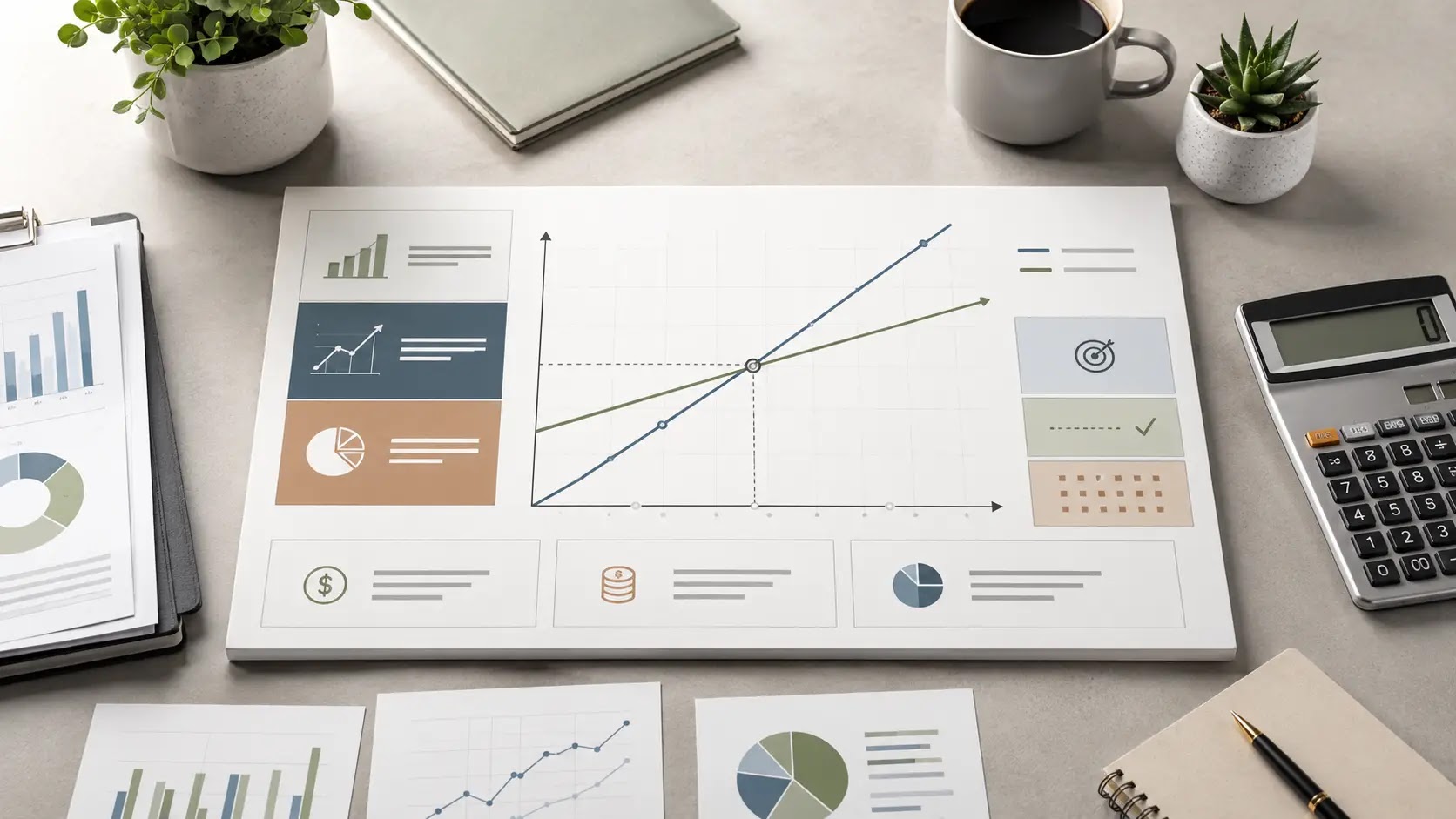
For a U.S. vending machine buyer or operator, the real question is not whether sales will soften at certain times of year; it is whether the route still covers fixed costs, replenishment, service calls, and owner pay when traffic dips. Seasonality affects machine revenue, product mix, inventory turns, route mileage, and repair timing, so the plan needs conservative assumptions instead of a simple average-month estimate.
If you are evaluating a startup, acquisition, or launch, the slow-month test should sit alongside your break-even thinking. That means checking the machines you can actually place, the commissions or location terms tied to each stop, the labor required to service the route, and the working capital needed to keep inventory and cash flow steady through weaker periods.
| What the reader is deciding | What must be verified locally |
|---|---|
| Can the route survive slower months without straining cash flow? | Actual location traffic, seasonality by site type, commission terms, and replenishment frequency |
| Can the business support a purchase, startup, or funding plan? | Machine condition, repair exposure, inventory costs, route mileage, labor needs, and working capital requirements |
- Lease/buildout: placement terms, site access, utilities, and any setup work needed for each location.
- Equipment: machine age, reliability, payment systems, and likely repair or replacement needs.
- Labor: restocking time, service calls, route driving, and whether the owner or hired help will run it.
- Menu economics: product mix, spoilage risk, margin by item, and how demand shifts in slower periods.
- Permits: local requirements that may affect placement or operation, which vary by market.
- Working capital: cash needed for inventory, fuel, repairs, fees, and uneven monthly sales.
- Funding readiness: documentation that supports a lender, partner, or investor review, including assumptions for the pitch deck.
Next, the practical framework shows how to turn those assumptions into a slow-month plan you can compare before you buy, finance, or launch.
How do you plan slow months in a vending machine route?
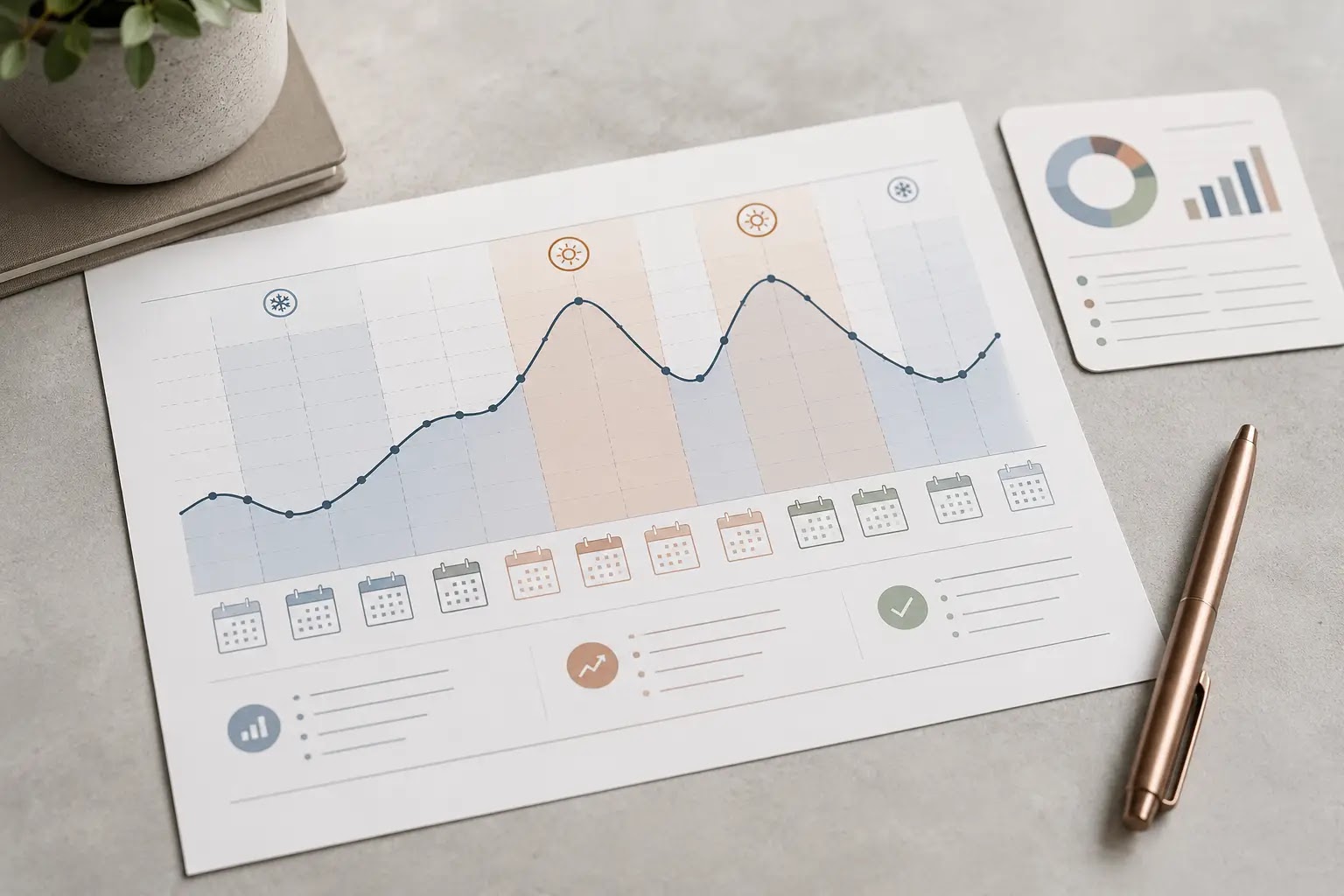
For a U.S. vending operator, slow months are not just a revenue dip; they change route density, refill frequency, stockout risk, repair timing, and the amount of cash you need to keep machines serviced. The practical goal is to turn seasonality into documented assumptions before you buy, add, or finance machines.
What should you document before you project a slow month?
| Planning area | Question to answer | Input to collect | Model impact | Verification source |
|---|---|---|---|---|
| Location mix | Which placements soften first when foot traffic falls? | Location type, operating hours, seasonality pattern, and access limits | Revenue per machine and refill frequency | Location owner, site visit, sales history by stop |
| Route density | Do slow months reduce stop volume enough to change route efficiency? | Stops per route, drive time between stops, service cadence | Fuel, labor, and owner time per dollar of sales | Route logs, mapping app, service records |
| Product mix | Which items slow down or spoil faster in low-traffic periods? | SKU sales mix, expiry risk, refill quantities, package sizes | Inventory turns, waste, and cash tied up in stock | Historical machine-level sales, supplier terms, inventory counts |
| Commission terms | Do location fees or revenue shares change the break-even point? | Flat rent, percentage share, minimums, and payment timing | Gross margin and break-even sales per machine | Signed location agreement, landlord or host discussion |
| Repair and downtime | Will slow months hide equipment issues or increase service gaps? | Age of machines, common failures, technician access, downtime history | Maintenance expense and lost sales from outages | Service invoices, machine condition review, vendor history |
| Payment and software costs | How much of each sale is consumed by processing and management tools? | Card processing fees, telemetry or route software fees, cash handling process | Net margin and administrative overhead | Processor statements, software contract, bank records |
| Working capital | How many weeks of cash are needed to survive weak demand? | Inventory budget, fuel, labor, repair reserve, and payment timing | Liquidity need and funding gap during slow months | 12-month cash flow draft, supplier terms, lender or investor requests |
How do you move from research to documented assumptions?
- Segment the route by location type. Separate schools, offices, gyms, apartments, industrial sites, and other stops because each one can slow for different reasons.
- Pull machine-level sales history. Compare monthly sales by machine, not just route totals, so the seasonal pattern is visible by stop.
- Measure service efficiency. Record refill frequency, drive time, and average stops per day to see whether a slow month also weakens route density.
- Track product performance. Note which SKUs move slowly, create spoilage, or force small orders that reduce inventory efficiency.
- Separate fixed from variable costs. Document commissions, software, fuel, card fees, repairs, and inventory purchases so the model can show what changes with sales and what does not.
- Set a working capital reserve assumption. Estimate how much cash is needed to cover inventory restocks, service calls, and recurring route expenses during a weak period.
- Store the assumption source. Attach each input to a route log, supplier quote, contract, invoice, or site note so the numbers are auditable later.
What should you verify before treating the framework as final?
- Seasonal sales changes by machine, not just by route average
- Actual commute time, fuel use, and stop spacing in slower months
- Current commission terms and whether any minimums apply
- Recent repair patterns and likely downtime risk
- Card processing and software fees tied to your current vendor stack
- Inventory shelf life and reorder timing for slower periods
Next, translate these assumptions into the financial model so you can test break-even, margin compression, and owner earnings under slow-month scenarios.

What should you plan for when slow months hit a vending route?
For a U.S. vending machine business, the main planning question is not whether revenue will dip in some months, but how that dip changes cash flow, restocking cadence, repair timing, and owner draw capacity. Slow periods can make the same route look very different on paper if you are holding more inventory than you need, driving too many low-yield miles, or carrying machines that need frequent service.
The practical move is to separate seasonal sales softness from operational drag. A slow month may be manageable if the route still covers product cost, commissions, fuel, payment fees, and routine maintenance. It becomes a real problem when weak sales combine with downtime, spoilage, or location changes that reduce effective cash generation across the entire route.
Use the slower months to stress-test the assumptions behind your profitability model: product mix, refill frequency, route density, service calls, and working capital reserve. That gives you a clearer answer on whether the business can support growth, debt service, or a buyer’s earn-back timeline without relying on peak-season performance alone.
Scenario: mild seasonal dip
Sales soften, but the route still covers recurring operating costs and keeps enough margin for maintenance and replenishment.
Scenario: prolonged slowdown
Lower volume lasts long enough to pressure inventory turns, owner pay, and cash available for repairs or machine moves.
Scenario: slowdown plus disruption
Seasonal weakness is amplified by a location change, higher commission, downtime, or inefficient routing.
| Planning risk | Why it matters in vending | Assumption affected | How to verify |
|---|---|---|---|
| Lower foot traffic at a location | Machines can keep costs while transaction volume falls. | Monthly sales per machine | Review location history, count sheets, or POS telemetry by month. |
| Inventory spoilage or stale mix | Weak demand can leave you with slower-moving product and more waste. | Product cost and shrinkage | Track sell-through by SKU and compare what expires or moves slowly. |
| More repair time during slow periods | One broken machine can erase much of the remaining margin on a small route. | Maintenance reserve and downtime | Review service logs, technician invoices, and machine age. |
| Route mileage stays high even when sales drop | Fuel and labor efficiency worsen when stops are spread out or underperforming. | Delivery frequency and route density | Map stops, restock cadence, and miles per revenue dollar. |
| Higher commission or location pressure | A flat site fee or revenue share can matter more when unit sales soften. | Gross margin per location | Check the current location agreement and compare it to actual sales mix. |
| Payment or software cost sensitivity | Fixed platform fees can weigh more heavily in low-volume months. | Net margin per machine | Review processor statements, software invoices, and per-machine recurring charges. |
For founders and buyers, the key tradeoff is simple: more conservative assumptions reduce the risk of overpromising cash flow, but they can also make a solid route look weaker than it really is. The best planning approach is to document a base case, a slow-month case, and a disruption case so you can see whether the business still works when sales, service needs, or operating costs move against you.
Next, turn those risks into an action checklist so you can decide what to verify, what to budget, and what to fix before launch or acquisition close.
What should you do next before slow months hit?
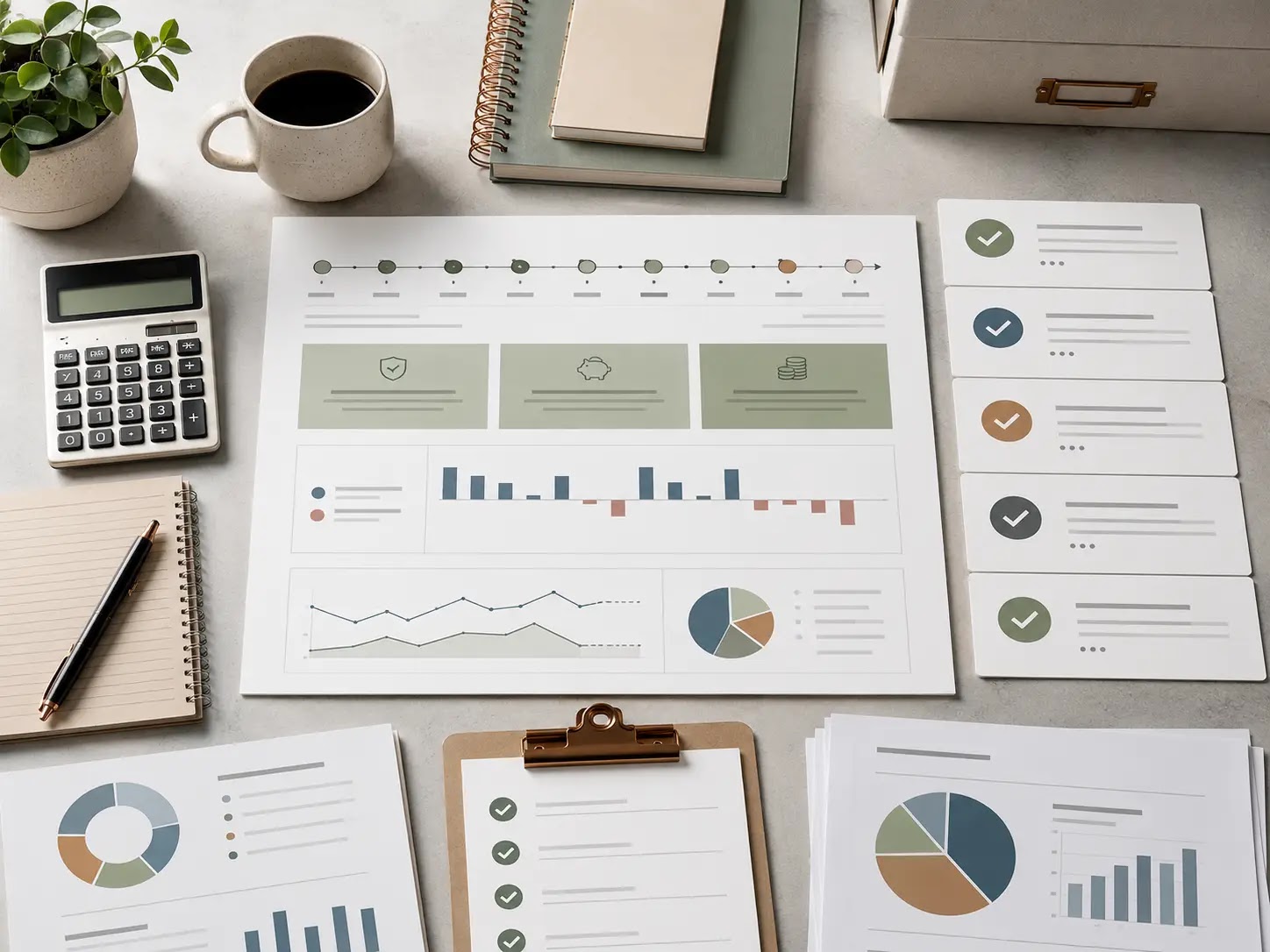
Practical recap: vending seasonality is mostly a planning problem, not a guessing game. Your numbers will be driven by machine mix, location traffic, product mix, route mileage, repairs, commissions, software, and the working capital you hold back for softer months. If those inputs are documented, you can test whether the route still clears its break-even point and whether you can fund inventory, maintenance, and replenishment without strain.
The next step is to turn that seasonality view into a decision: keep building, buy a route, or slow expansion until the cash cushion and assumptions are credible. That decision is strongest when your revenue model, operating plan, and downside case all point to the same conclusion.
Decision checklist: are you ready to plan for slow months?
| Readiness check | What to confirm | Why it matters |
|---|---|---|
| Demand pattern | Which months, locations, or product categories slow down first | Sets the revenue floor for your downside case |
| Route economics | Fuel, mileage, stop density, and refill efficiency | Shows whether softer sales also raise unit costs |
| Machine reliability | Repair frequency, downtime risk, and parts lead times | Helps avoid margin loss during the weakest periods |
| Inventory planning | How much stock you need to keep service levels steady | Protects cash when sales are uneven |
| Commission terms | Location split, minimums, and any vendor or site-specific terms | Clarifies fixed pressure on margins |
| Cash reserve | Whether working capital covers repairs, inventory, and slower collections | Determines how long the business can absorb a weak season |
| Documentation | Whether the assumptions are written into your model and plan | Makes lender, partner, or buyer review more credible |
Next steps for a founder or buyer
- Update the financial model with a slow-month scenario, not just an average month.
- Recheck route mileage, refill frequency, and repair exposure against actual operating notes.
- Separate fixed costs from variable costs so you can see the real break-even pressure.
- Confirm location commissions, vendor terms, and inventory cadence with current local sources.
- Stress-test working capital so the route can survive softer sales without missed service.
- Use the downside case to decide whether you should expand now, wait, or renegotiate terms.
Helpful bridge: a vending machine business plan, financial model, pitch deck, checklist, and startup toolkit can help organize these assumptions, compare seasonal scenarios, and document the plan for partners, lenders, landlords, or advisors.


