
Vending Machine Equipment Layout and Workflow Planning
A practical U.S. planning guide for vending machine equipment layout and workflow planning, built for founders, buyers, and operators comparing assumptions before committing capital.


How should you plan vending machine layout and workflow before you buy, lease, or launch?
If you are comparing a startup route, an existing route purchase, or a first expansion, the real question is not just how many machines you can place. It is how the layout, service flow, and route density affect restocking time, mileage, repairs, inventory turns, and the cash you need to keep the route operating.
For a U.S. vending business, the practical decision is whether the location mix and machine mix can support efficient service with realistic commissions, product costs, payment systems, and working capital. Those inputs usually vary by market, property type, and vendor terms, so the layout should be built around verified local assumptions rather than generic averages.
| What the reader is deciding | What must be verified locally |
|---|---|
| How many machines fit into the route and how they should be spaced | Location access, service windows, parking/loading limits, and actual drive time between stops |
| Whether the route works better as a startup, lease, or acquisition | Site commissions, route pricing, machine condition, contract terms, and transfer conditions |
| Whether the launch can be funded and sustained | Inventory needs, repair reserves, software fees, and working capital requirements |
- Lease and buildout: site access, placement limits, and any location-specific setup costs
- Equipment: machine type, age, reliability, payment systems, and spare-parts needs
- Labor: restock time, route density, technician help, and owner time
- Menu economics: product mix, pricing, spoilage, and commission structure
- Permits and approvals: local requirements that may affect placement or operation
- Working capital: inventory, cash buffer, repairs, and replenishment timing
- Funding readiness: documentation needed for lenders, partners, or an acquisition pitch deck
Next, the practical framework breaks these assumptions into the route and operating inputs you should verify before making a purchase or launch decision.
How should you map vending equipment, route, and territory requirements?
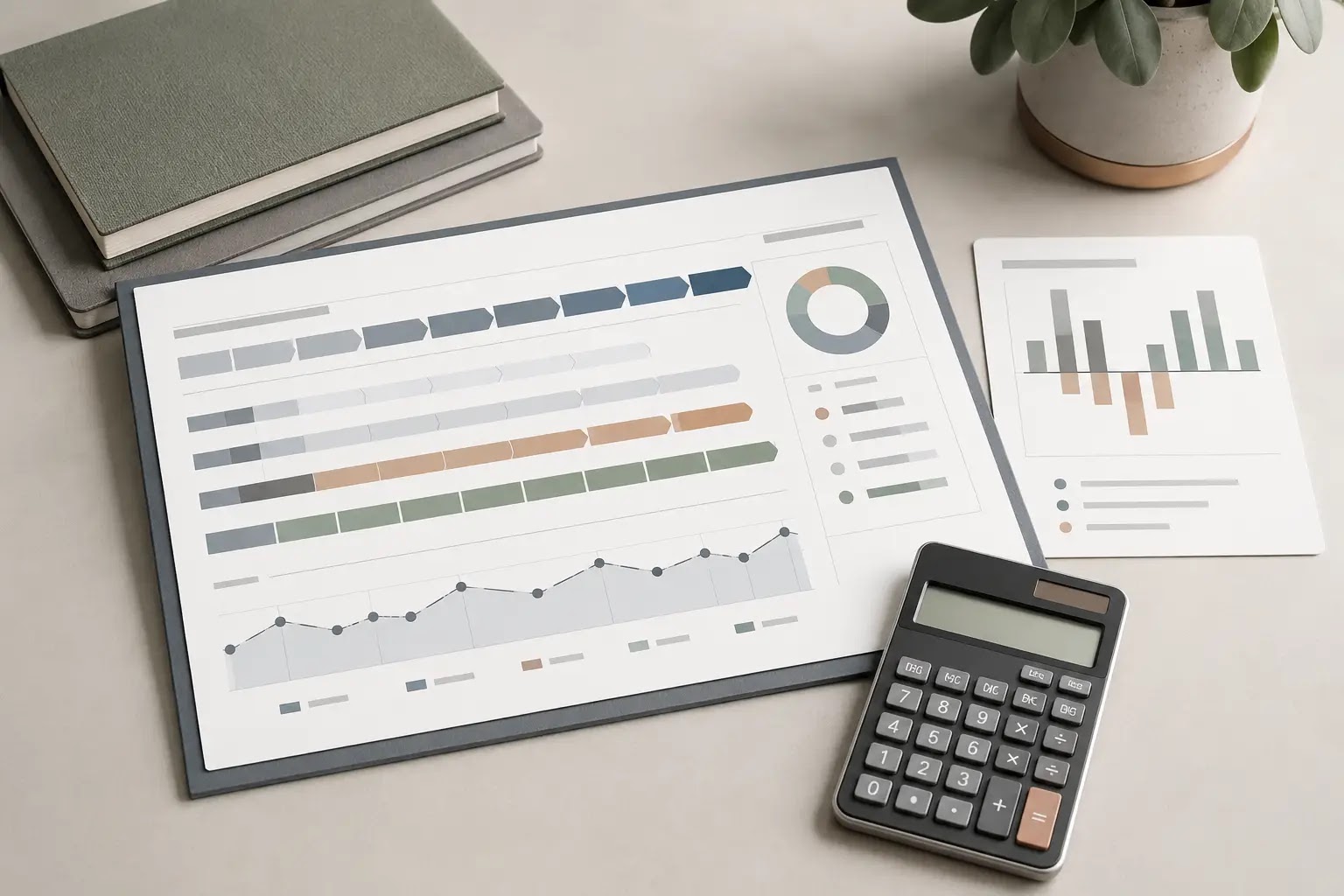
For a U.S. vending business, equipment layout planning is not just “where the machines go.” It is the working map that connects location fit, route clustering, refill cadence, service access, inventory handling, and lease or commission terms into one operating plan. The goal is to document assumptions before you buy machines, sign placements, or build a territory that looks good on paper but is expensive to run.
What inputs should be documented before you commit to a route?
| Planning area | Question to answer | Input to collect | Model impact | Verification source |
|---|---|---|---|---|
| Territory layout | Are the stops clustered enough to support efficient service runs? | Candidate locations, drive-time pattern, access hours, and stop grouping by area | Route mileage, labor time, fuel use, and service frequency assumptions | Maps, site visits, and route tests |
| Machine mix by site type | Which machine type fits the location’s traffic and product demand? | Location type, expected customer profile, space constraints, and product category fit | Sales mix, inventory turns, and stocking complexity | Location manager feedback and observation |
| Refill cadence | How often will each machine need service? | Estimated vend volume, product capacity, and shelf or slot configuration | Labor planning, route frequency, and inventory carrying needs | Trial stocking logs and route history if acquiring |
| Site access and service windows | Can the machine be serviced without disrupting the host site? | Building access rules, loading constraints, elevator or stair access, and time windows | Route duration, staffing flexibility, and missed-service risk | Lease terms, site agreement, and on-site inspection |
| Commission or placement terms | What does the location expect in return for placement? | Revenue share, fixed fee, utility responsibilities, and renewal expectations | Net margin, breakeven volume, and territory profitability | Written agreement and landlord or operator discussion |
| Repair and downtime exposure | Which machines or locations are likely to create service interruptions? | Equipment age, parts availability, payment system reliability, and technician access | Repair reserve, replacement timing, and lost-sales allowance | Inspection, maintenance history, and vendor terms |
| Inventory storage and staging | Where will product be stored, sorted, and loaded for each route? | Backroom space, case storage needs, loading workflow, and vehicle capacity | Working capital, inventory shrink risk, and route efficiency | Warehouse or home-base inspection and supplier carton specs |
| Software and telemetry coverage | Which locations need remote sales visibility or alerting? | Cashless readiness, telemetry availability, and reporting requirements | Monitoring labor, stock forecasting, and collections workflow | Vendor demo, device specs, and contract review |
How do you move from research to documented route assumptions?
- Map candidate stops by territory. Group sites by drive pattern first, not by owner preference, so the route reflects actual travel time and access conditions.
- Classify each location type. Separate offices, schools, industrial sites, multifamily properties, retail areas, and other placements because each one affects demand, refill cadence, and machine fit.
- Test machine fit at the site level. Confirm floor space, power needs if relevant, loading access, security constraints, and room for stocking or service work.
- Estimate service frequency for each stop. Use expected sales, product capacity, and product mix to document how often the machine should be visited.
- Document site economics. Record commissions, utility responsibilities, lease language, and any location-specific obligations that affect route margin.
- Compare equipment options. Note whether each stop needs snack, beverage, combination, or specialty equipment, and whether the route can support standardized machines or needs mixed inventory.
- Check repair and replacement exposure. Identify machines with higher downtime risk, harder parts access, or cashless equipment that may require vendor support.
- Translate the route into operating inputs. Capture mileage, labor time, vehicle use, inventory storage, and reordering assumptions so the territory plan can feed the financial model.
- Flag uncertain assumptions for verification. Mark items that depend on landlord approval, vendor terms, local site rules, or acquisition records before you finalize the route.
This framework should give you a documented route map and a clean set of operating assumptions. The next step is to translate those assumptions into financial model implications, route tradeoffs, and risk checks so you can compare startup, acquisition, or expansion scenarios on the same basis.
Which tradeoffs most affect vending machine layout and workflow planning?
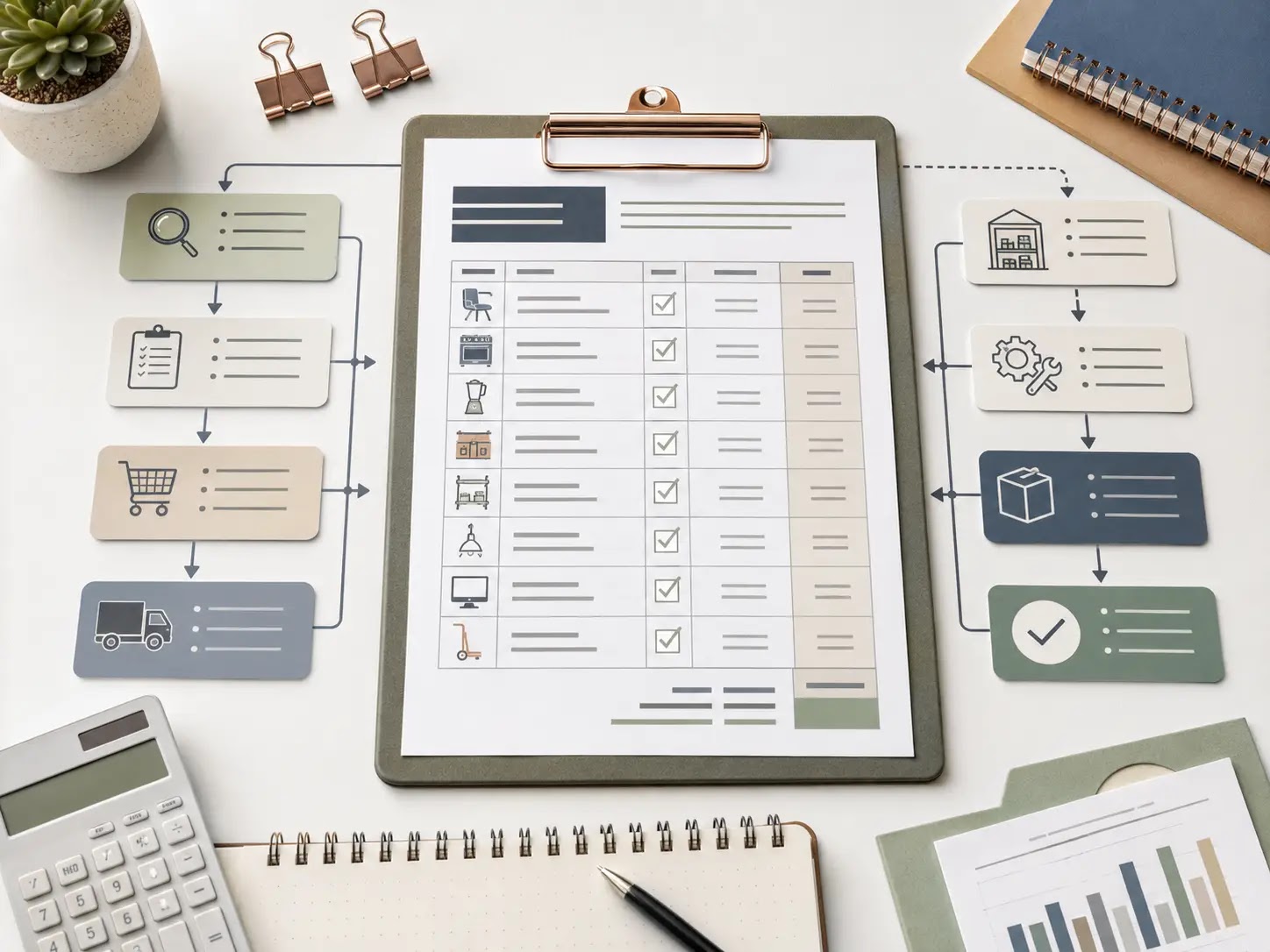
For a vending machine route, the biggest planning mistakes usually come from treating location count as the only variable. Layout and workflow decisions also change travel time, refill cadence, service labor, inventory tied up on the route, repair response time, and the amount of cash or card revenue that must be reconciled across stops.
The practical question is not just whether a machine can fit in a site, but whether the site supports a route that can be serviced efficiently with your available time, vehicle, stockroom space, and vendor agreements. A stronger layout usually reduces dead miles and duplicate stops; a weaker one can look acceptable on paper but create small operational losses at every visit.
Scenario: clustered locations
More machines placed near one another can simplify service routes and reduce travel friction. The tradeoff is that clustered sites may come with stronger commission demands, tighter lease language, or more competition for the same customer traffic.
Assumptions affected: route mileage, stop duration, labor hours, and service frequency.
Scenario: spread-out territory
A wider territory can open more placement options, but it can also increase drive time, vehicle wear, and the chance that a refill or repair takes longer than planned. That makes working capital and scheduling discipline more important.
Assumptions affected: fuel and vehicle cost, inventory in transit, technician time, and downtime risk.
In practice, the workflow plan should be built around the weakest link in the route: refill cadence, repair response, inventory storage, or site permissions. If one of those breaks, the entire layout can become less efficient than the opening model suggested. That is why founders and buyers should pressure-test assumptions before they finalize a territory or sign for additional machines.
What risks should you verify before locking the route plan?
| Risk | Why it matters | Assumption affected | How to verify |
|---|---|---|---|
| Overestimating route density | A route that looks efficient on a map may still require too much drive time between stops. | Service cadence, labor hours, vehicle cost | Map stop order, drive times, and expected refill frequency using real site addresses. |
| Underestimating inventory needs | Insufficient stock can force extra trips or missed sales during busy periods. | Working capital, stockroom space, replenishment schedule | Track product mix, expected sell-through, and storage capacity by machine type. |
| Ignoring repair downtime | Machines that cannot be serviced quickly can lose sales and hurt site relationships. | Maintenance reserve, technician availability, spare parts plan | Ask vendors and technicians about response windows and parts availability. |
| Misreading site economics | Good foot traffic does not always translate into a profitable placement after commissions or access limits. | Revenue per location, commission terms, site contribution margin | Review signed or proposed site terms and compare them to route-level operating costs. |
| Skipping software and cash handling workflow | Route reporting, inventory tracking, and payment reconciliation affect how fast you can scale. | Admin time, loss control, reporting accuracy | Test the workflow for inventory updates, machine audits, and settlement records before launch. |
Local verification note: local rules, costs, vendor terms, lease terms, and financing conditions vary by market and should be checked with current local sources before you commit to a route, machine count, or service plan.
Once these assumptions are documented, the final checklist can turn them into site calls, service tasks, and vendor requests. That also helps keep the plan organized for lender discussions, partner review, or pitch-deck readiness without forcing premature commitments.
What should you do next before you commit to a vending route or machine layout?
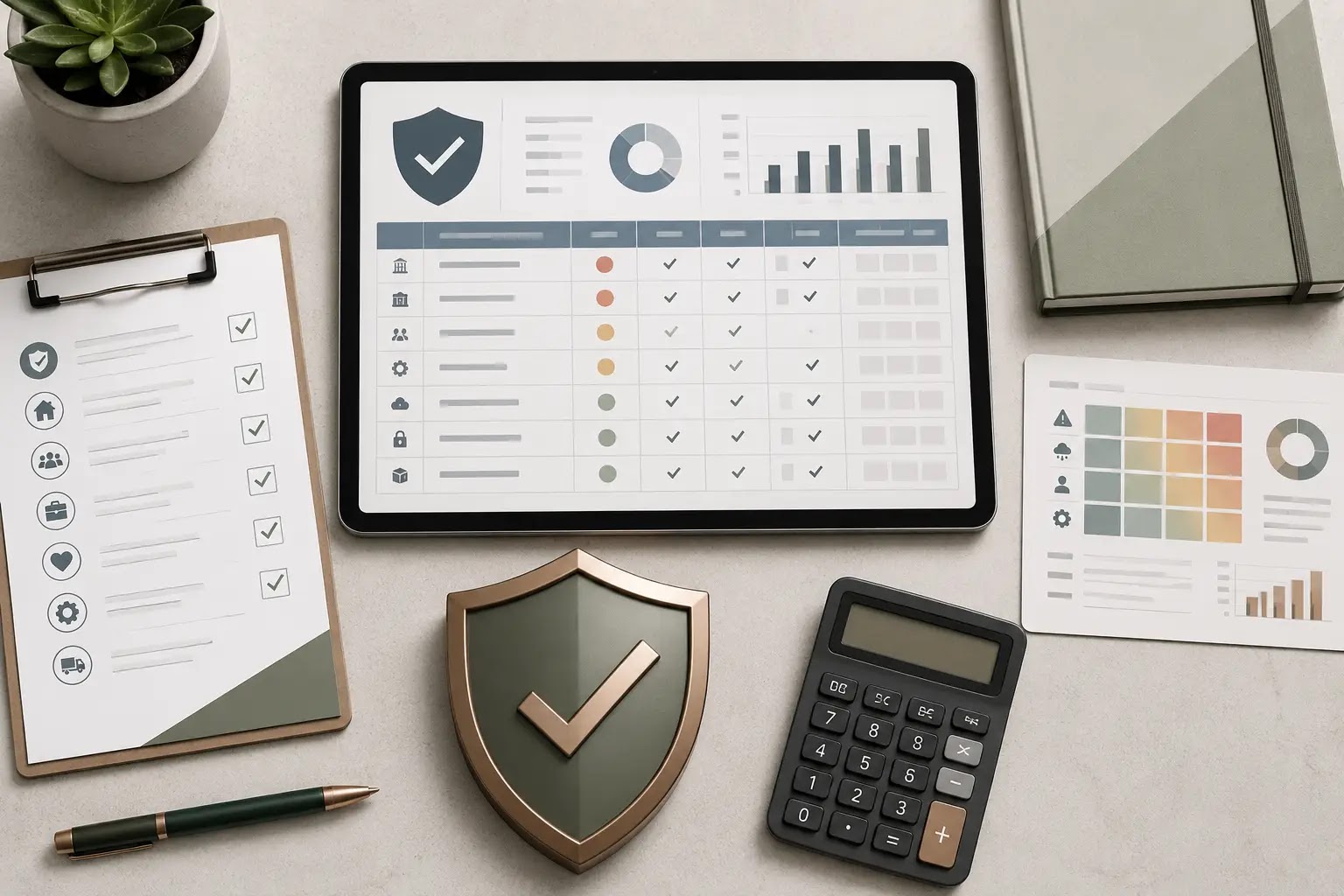
At this stage, the decision should be simple: confirm that the machine mix, route spacing, restock workflow, repair plan, and working capital all fit together in one workable operating model. If any one of those pieces is weak, the route can look better on paper than it will in day-to-day service.
For a U.S. vending founder or buyer, the practical next step is to turn assumptions into a route-by-route plan: how many machines, where they sit, how often they will need service, what the travel pattern looks like, and what vendor or location terms could change the economics.
Next planning steps
- List every planned machine location and group them by route or territory.
- Confirm the expected service cadence for stocking, cash collection, cleaning, and repairs.
- Estimate route mileage, drive time, and the labor needed to cover it.
- Check whether commissions, rent, or location fees change the layout decision.
- Identify equipment, parts, and inventory needs that affect startup cash and working capital.
- Review software, payment systems, and reporting tools that will be used to track sales and service.
- Stress-test the plan for slower sales, higher maintenance, or a shorter-than-expected lease or placement term.
Readiness scorecard
| Decision area | Ready when | Why it matters |
|---|---|---|
| Machine placement | Each location has a defined role in the route and a realistic service pattern. | Prevents overbuilding a territory that cannot be serviced efficiently. |
| Workflow | Restocking, cash handling, cleaning, and repair tasks are mapped in order. | Reduces wasted trips and operational bottlenecks. |
| Route economics | Travel, labor, commissions, and inventory can be compared against expected sales. | Shows whether the route can support the time required to run it. |
| Capital plan | Equipment, inventory, service tools, and reserve cash are documented. | Helps avoid launch delays caused by underfunding. |
| Vendor and lease terms | Key placement terms are verified before final commitment. | Protects the plan from changes in rent, commissions, access, or term length. |
If this planning turns into a real acquisition, funding conversation, or launch timeline, a business plan, financial model, pitch deck, checklist, and startup toolkit can help organize assumptions, compare scenarios, and document the route logic for partners, lenders, landlords, or advisors.
Final takeaway: the best vending equipment layout is the one that fits your route, service schedule, and cash plan—not just the one with the most machines.


