
Vending Machine Contract and Waiver Checklist
A practical U.S. planning guide for vending machine contract and waiver checklist, built for founders, buyers, and operators comparing assumptions before committing capital.

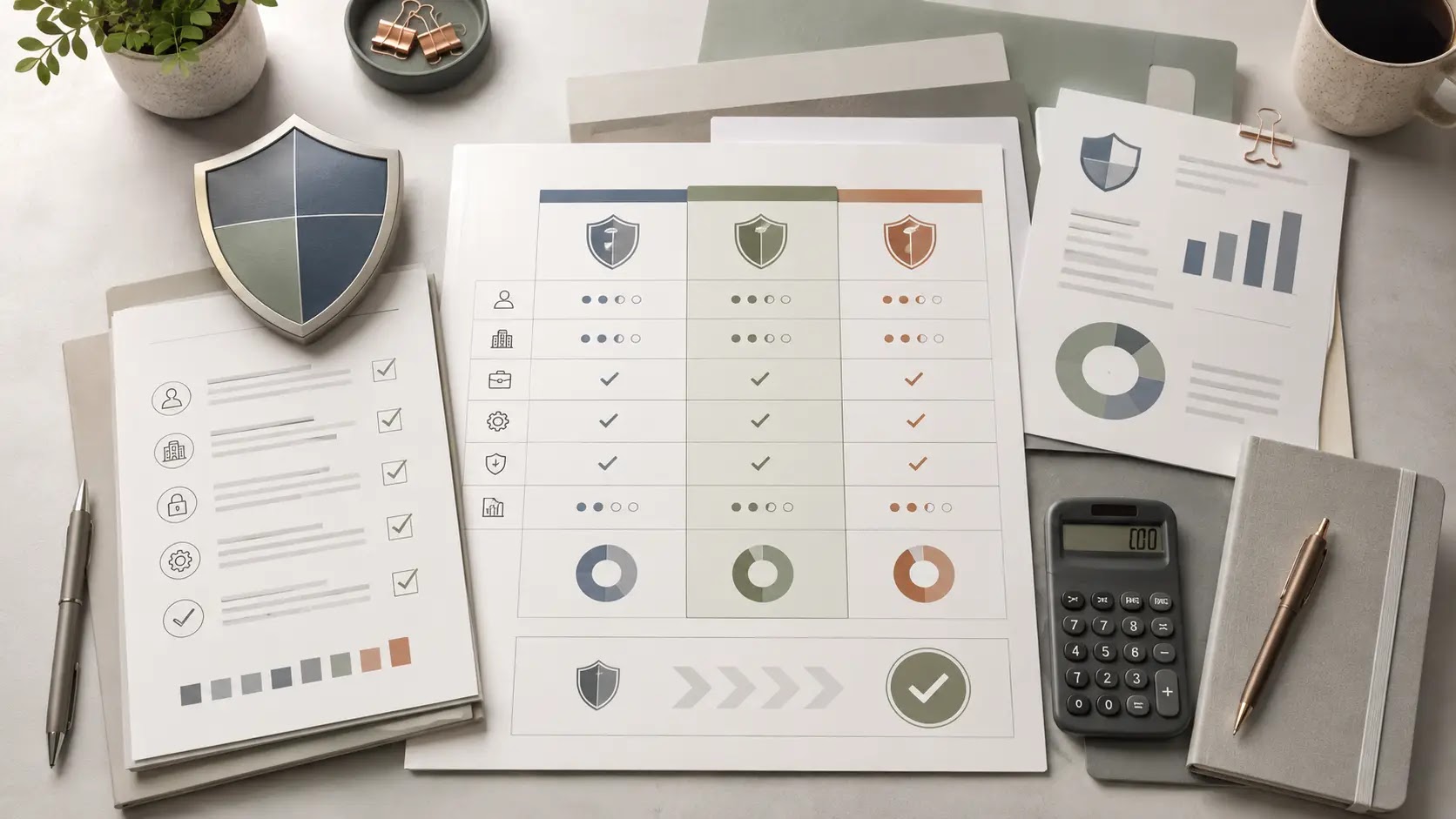
What should a vending machine contract and waiver checklist cover before you commit?
If you are buying, placing, or scaling a vending route, the checklist is really a decision tool: it helps you confirm whether a location, contract, waiver, or service arrangement fits your operating model before you spend on machines, inventory, and route time. For a U.S. vending business, the right answer usually depends on the venue, the local permitting environment, insurance requirements, and the specific terms a property owner or manager will accept.
In practice, the biggest mistakes happen when founders assume a standard agreement will cover every site. Contract language, waiver expectations, and insurance documentation can change by market, property type, and customer profile, so the checklist should be tied to the actual location and route economics rather than a generic template.
| What the reader is deciding | What must be verified locally |
|---|---|
| Whether a location is worth signing | Lease or placement terms, access hours, commission expectations, and any site-specific restrictions |
| Whether the insurance setup is acceptable | Required policy types, certificate wording, additional insured requests, and venue-specific limits |
| Whether waivers or liability language are usable | Whether the venue has its own form, what risks it expects you to assume, and how local rules treat those terms |
| Whether the route can support the cost structure | Machine price, inventory turns, repair cadence, mileage, labor time, software fees, and working capital needs |
For founders and buyers, the practical question is not just “Is there a contract?” but “Does the contract match the economics and risk profile of this route?” That means checking the venue’s expectations, the machine placement rules, the service obligations, and the cash you need to keep the route operating while inventory, repairs, and collections stabilize.
- Lease or buildout terms that affect placement, access, and any site improvements
- Equipment assumptions, including machine condition, maintenance exposure, and replacement timing
- Labor and route mileage assumptions tied to restocking, servicing, and collections
- Menu economics, including product mix, spoilage risk, and pricing flexibility by location
- Permit and license needs that may differ by city, county, building type, or food category
- Working capital for inventory, repairs, insurance, deposits, and early operating gaps
- Funding readiness, especially if the route needs documentation for a lender, landlord, or investor
Next, the practical framework breaks these items into a location-by-location checklist so you can compare terms, verify assumptions, and avoid signing based on incomplete information.

What should go on a vending machine contract and waiver checklist?
For a U.S. vending machine startup, acquisition, or route expansion, the practical goal is to document every permission, insurance term, and liability allocation that can affect whether a location is usable and on what terms. The checklist should separate site-owner requirements, operator obligations, and any waiver or hold-harmless language so the plan is based on written terms instead of verbal promises.
Which contract and waiver items change the operating setup?
| Planning area | Question to answer | Input to collect | Model impact | Verification source |
|---|---|---|---|---|
| Location permission | Who has the right to approve the machine placement? | Owner, landlord, property manager, or tenant contact; written location approval | Controls whether the site is valid and whether removal risk is high | Signed site agreement, lease addendum, or written authorization |
| License and permit scope | Which licenses or registrations apply to this machine, product mix, or jurisdiction? | City, county, state, and agency requirements tied to the location and product type | Affects launch timing and may add filing or renewal steps | Current local licensing office, health department, or state agency |
| Insurance requirement | What insurance coverage does the site require? | Required coverage types, certificate wording, additional insured request, limits, and renewal timing | Changes monthly overhead and onboarding lead time | Site contract, certificate of insurance request, and insurance broker |
| Waiver or hold-harmless language | Does the agreement include waiver, release, indemnity, or hold-harmless terms? | Exact clause language and any counsel review notes | Raises legal review priority and changes liability exposure assumptions | Signed contract and attorney review |
| Indemnity and damage responsibility | Who pays if the machine, site, or third party is damaged? | Indemnity wording, deductible responsibility, and damage reporting process | Influences reserve planning and repair risk assumptions | Contract, insurer guidance, and documented incident process |
| Access and service terms | When can the machine be stocked, repaired, or removed? | Service hours, badge access, escort rules, loading access, and notice periods | Changes route mileage, labor efficiency, and downtime assumptions | Site rules, property manager instructions, and signed agreement |
| Commission, rent, or revenue share | Is the site paid a fixed fee or a percentage share? | Payment formula, reporting method, due date, and audit rights | Affects gross margin and monthly cash flow | Location contract and payment schedule |
| Utilities and operating support | Who provides power, internet, or other site support if needed? | Utility responsibility, meter access, reimbursement terms, and shutoff procedure | Can change operating cost, machine uptime, and backup planning | Site agreement and utility contact |
| Termination and removal rights | How can either side end the arrangement, and how quickly must the machine be removed? | Notice period, early termination rights, cure period, and removal obligations | Shapes exit risk, resale timing, and working-capital needs | Signed contract and any written amendments |
How should a founder document the checklist before treating it as an assumption set?
- Identify every proposed location and the party that can legally approve vending placement.
- Request the site’s written contract template or approval form before relying on any verbal agreement.
- Confirm which licenses, registrations, or permits apply for that city, county, and state, based on the machine type and product mix.
- Ask the site owner or property manager for insurance requirements, including any certificate wording or additional insured request.
- Review the contract for waiver, release, indemnity, damage, access, commission, and termination language.
- Check whether legal review is needed before signing, especially if the waiver or hold-harmless terms shift broad liability to the operator.
- Log each verified item as a dated assumption with the source that confirmed it.
- Flag anything still unverified so it can be revisited before launch, funding, or a purchase decision.
What should be treated as a hard stop versus a working assumption?
Hard stop items: unclear site authority, missing written contract terms, unresolved insurance wording, or unknown permit requirements should not be treated as ready-to-launch.
Working assumptions: temporary estimates for approval timing, contract turnaround, and insurance processing can be used only until current local sources confirm the actual requirements.
Use this framework to turn location paperwork into documented inputs, then pass the verified items into the next section for financial model implications, tradeoffs, and risk checks.

Where do vending machine contracts and waivers create the biggest planning risks?
For a vending machine business, the contract is not just a legal document; it is part of the operating model. Placement terms, commission language, access hours, maintenance responsibilities, product restrictions, and waiver language can all change route mileage, refill frequency, repair burden, inventory shrink, and working capital needs.
The practical question is whether the agreement matches the machine’s economics. A location that looks attractive on paper can become weak if the commission is too high, access is limited, the site controls product mix, or the waiver pushes too much equipment and liability risk back to the operator. Founders and buyers should treat every contract term as an assumption that can alter revenue, service cost, and downtime risk.
Because waiver and contract wording varies by location and counterpart, the best planning approach is to compare the agreement against the route plan, service schedule, insurance program, and cash reserve assumptions before signing or funding.
| Planning risk | Why it matters in vending | Assumption affected | How to verify |
|---|---|---|---|
| Commission or revenue-share mismatch | Can reduce net sales enough to change site attractiveness and payback assumptions | Net revenue, gross margin, site selection | Review the signed term sheet or location agreement and compare it with the sales forecast |
| Restricted access or service hours | Can increase route mileage, missed restocks, and out-of-stock risk | Labor, mileage, replenishment schedule | Confirm site access terms directly with the location contact and inspect the operating hours |
| Repair and replacement responsibility | Can shift downtime and equipment costs to the operator | Maintenance reserve, capital replacement plan | Check who pays for service calls, parts, vandalism damage, and machine replacement |
| Product restrictions or approved SKU limits | Can affect inventory mix, turnover, and the ability to test higher-margin items | Inventory model, sales mix, working capital | Ask for the allowed product list and verify any exclusivity or category limits |
| Waiver, release, or indemnity language | Can expand the operator’s risk beyond the standard operating budget | Insurance needs, downside reserve, contract risk | Have qualified counsel review the wording and compare it with insurance and vendor terms |
| Termination, renewal, or removal rights | Can change how long the machine can stay in place and whether the site can be exited cleanly | Route stability, depreciation, acquisition value | Confirm notice periods, renewal triggers, and machine removal obligations in writing |
What to pressure-test before you treat the deal as bankable
- Whether the contract supports the route density and service frequency in your operating plan.
- Whether repair, insurance, and replacement responsibility are aligned with your reserve assumptions.
- Whether waiver and indemnity language create exposure that is not reflected in the startup budget.
- Whether lease terms, site approvals, and vendor terms are consistent with the expected life of the placement.
- Whether the machine’s cash flow still works after commissions, downtime, and added travel are included.
Local verification: rules, costs, vendor terms, lease terms, insurance requirements, permit requirements, and financing conditions vary by market and counterparty. Verify current terms with the location owner, insurer, lender, and other local sources before you sign, fund, or launch.
Once these risks are mapped to the operating assumptions, the final action checklist can turn the contract review into a practical sign-off process for the launch file, funding packet, and route plan.
What should you do next before signing a vending contract or waiver?
Practical recap: treat the contract, waiver, and insurance review as part of the same launch decision. Before you sign, confirm who controls placement, who is responsible for damage or restocking gaps, how commissions or revenue shares are handled, what insurance the location requires, and whether the route can still work after rent, mileage, repairs, inventory shrink, and working capital are included.
Next-step checklist
- Collect the proposed contract, waiver, addenda, and any insurance certificate requests in one file.
- Mark every clause tied to placement rights, termination, access hours, maintenance, liability, indemnity, and commission or rent payments.
- Verify the local location’s expectations for insurance, permits, and vendor paperwork with current sources.
- Test the deal in your financial model using realistic route mileage, service time, spoilage, repairs, and working capital needs.
- Compare the location against at least one alternative site so you can judge whether the contract terms are worth the traffic.
- Update your checklist, pitch deck notes, or lender packet so the assumptions are documented and easy to explain.
Readiness scorecard
| Readiness item | Yes / No |
|---|---|
| You have the signed or draft contract and waiver terms in writing. | |
| You know which party is responsible for insurance, damage, and access issues. | |
| You have modeled commissions, rent, inventory, fuel, repairs, and labor time. | |
| You have checked the location’s local permit and insurance expectations. | |
| You can explain the deal clearly to a partner, landlord, lender, or advisor. |
Final takeaway: for a U.S. vending machine founder or buyer, the safest next move is to verify the paperwork, test the economics, and only then commit to the location.


