
Vending Machine Competitor Marketing Audit Checklist
A practical U.S. planning guide for vending machine competitor marketing audit checklist, built for founders, buyers, and operators comparing assumptions before committing capital.


What should a vending machine competitor marketing audit checklist help you decide?
If you are choosing a new route, evaluating a location, or buying an existing vending business, a competitor marketing audit helps you judge whether local demand is already being served, how nearby operators attract accounts, and what that means for your own customer acquisition and sales forecast inputs.
For vending, the checklist is not just about ads. It also helps you document the assumptions that drive route economics: machine placement, inventory mix, route mileage, repair frequency, commissions, software, and the working capital needed to keep machines stocked and serviced.
Because competitor activity, pricing, and contract terms vary by market, treat the audit as a local verification exercise rather than a fixed benchmark. The goal is to build a defensible planning view before you commit to a startup, acquisition, funding, or launch decision.
| What the reader is deciding | What must be verified locally |
|---|---|
| Whether competitor marketing suggests enough demand to support a route or machine placement | Nearby operators, location density, account quality, response to promotions, and any local pricing or contract patterns you can confirm directly |
- Lease or placement terms: who controls the site, how long the placement lasts, and whether commissions or revenue share affect margins.
- Equipment: machine type, age, service needs, telemetry or cashless setup, and replacement risk.
- Labor: route time, stocking frequency, service calls, and whether staffing assumptions change with distance or account mix.
- Menu economics: product mix, spoilage risk, refill cadence, and whether competitors emphasize snacks, beverages, or healthier options.
- Permits and approvals: any local requirements tied to placement, food handling, or site access that affect timing.
- Working capital: cash needed for inventory, maintenance, fuel, deposits, software, and early operating gaps.
- Funding readiness: whether your plan has enough documented assumptions for lenders, partners, or investors to review.
Next, the practical framework will show how to turn these local signals into a simple audit process and planning assumptions you can actually use.
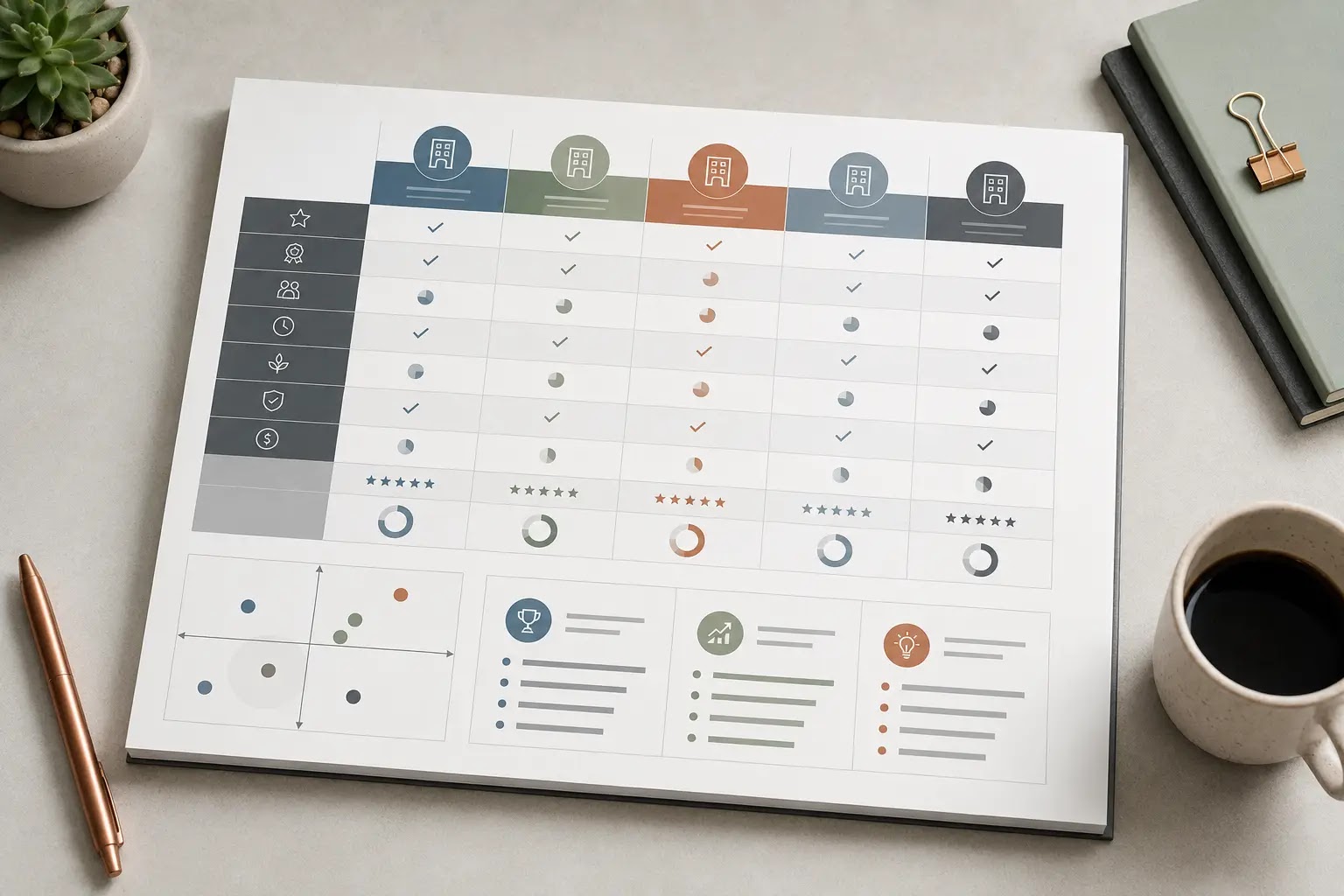
What should a vending machine competitor marketing audit include?
For a U.S. vending machine founder or buyer, the goal is not just to see who else is nearby. The audit should show how competitors win locations, what they signal to property owners and customers, and which observations should become documented assumptions for your route, sales plan, and launch budget.
What to benchmark before you assume a location is attractive
| Planning area | Question to answer | Input to collect | Model impact | Verification source |
|---|---|---|---|---|
| Location type | What kinds of sites do nearby competitors serve? | Office, warehouse, school, apartment, gym, hospital, or other site type | Affects sales potential, visit frequency, and location fit | Onsite observation, route mapping, venue directories |
| Placement quality | Are machines placed in visible, high-traffic areas or low-traffic corners? | Observed placement, line of sight, nearby traffic flow | Influences expected unit sales and product mix | Site visit, photos where permitted, tenant feedback |
| Commission approach | Do competitors appear to win locations with revenue share or service value? | Any stated commission terms, free-placement signals, or service promises | Changes location acquisition economics and gross margin assumptions | Property manager conversations, operator interviews, bid requests |
| Route density | How clustered are competitor machines across your target territory? | Map of rival sites within your driving radius | Impacts route mileage, fuel, labor time, and stop efficiency | Maps, field notes, competitor listings, local search results |
| Product mix | What categories are they pushing at similar sites? | Snacks, beverages, healthier items, cold drinks, specialty items | Helps shape inventory assumptions and stockout risk | Machine inspection, photos, customer feedback |
| Pricing posture | Are competitors positioned as value, convenience, or premium? | Observed price bands and bundle patterns where visible | Shapes revenue assumptions and product margin mix | Onsite checks, customer receipts if available, operator notes |
| Service responsiveness | Do competitors seem to keep machines full, clean, and working? | Stockout frequency, machine condition, repair visibility | Informs retention, route frequency, and repair reserve planning | Repeated site visits, location staff comments |
| Local marketing signals | How are competitors presenting themselves to locations? | Website claims, service areas, Google Business presence, outreach materials | Guides your own sales pitch and lead-generation assumptions | Competitor websites, search listings, direct outreach materials |
| Technology stack | Are competitors using cashless payment, telemetry, or route software? | Visible payment hardware, monitoring claims, service alerts | Affects maintenance, labor efficiency, and working capital needs | Machine inspection, vendor demos, operator references |
| Repair and replacement pattern | Do aging machines or frequent repairs appear to be limiting service quality? | Machine age cues, vandalism, taped notices, downtime signs | Influences capex timing and spare-parts assumptions | Field observation, technician quotes, owner interviews |
How do you turn competitor research into documented assumptions?
- Define the target territory. Set the driving area, site types, and competitor names you will track before collecting any data.
- Separate direct rivals from adjacent operators. Note which competitors serve the same site type and which only overlap in geography.
- Record every location signal. Capture machine placement, cleanliness, restocking visibility, product mix, and any signs of payment or service technology.
- Document sales cues, not guesses. If a property manager, tenant, or operator gives a claim about commissions, service frequency, or account size, label it as a source-backed note.
- Map route implications. Estimate how competitor clustering changes drive time, stop count, and the practicality of adding or servicing a site.
- Convert observations into assumptions. Turn findings into planning inputs for location win rate, route mileage, stockout risk, and vendor or software requirements.
- Flag what still needs local verification. Anything tied to landlord terms, vendor pricing, site access, or machine condition should be checked again before you use it in a pitch deck or model.
- Save the audit in a lender-ready format. Keep the notes, map, photos where permitted, and assumption summary together so they can support funding, acquisition, or launch discussions.
What should the audit output look like in practice?
At the end of the review, you should have a short list of competitor-backed assumptions you can defend: which locations are worth pursuing, what service level the market expects, how much route density matters, and whether your operating plan needs cashless payment, stronger replenishment discipline, or more working capital for inventory and repairs.
That documented framework is what makes the next step useful for planning. Block 3 can then translate these findings into revenue assumptions, route-mileage tradeoffs, maintenance reserve thinking, and other model inputs.

What assumptions change when competitors are already marketing in the area?
If nearby vending operators are running active promotions, locking in locations, or using route software and service promises to retain accounts, your forecast should not rely on a simple “available location = available revenue” assumption. A competitor marketing audit helps you test whether your expected machine count, fill rate, service frequency, route mileage, and commission structure are realistic for the local market.
The main planning value is tradeoff clarity. A location with strong traffic but heavy competitor activity may still work, but it can require more outreach, more frequent service, different product mix, better machine placement, or a larger working-capital cushion. The audit is less about copying a rival’s playbook and more about estimating how hard it may be to win, keep, and service accounts profitably.
For a vending business, the biggest forecast errors often come from underestimating retention pressure, repair downtime, or the cost of serving scattered accounts. Competitor marketing signals can affect all of those assumptions at once, so it helps to separate what you can verify from what you are still estimating.
Scenario: competitor is highly visible
Frequent promotions, branded wraps, or strong online presence may suggest harder customer acquisition and more need for differentiated placement or service.
Scenario: competitor is quiet but entrenched
Low marketing noise can still mean long-term account relationships, so your retention and replacement timelines may be slower than expected.
Scenario: competitor wins on service
Fast response times or frequent restocking can pressure your assumptions on labor scheduling, route mileage, repair time, and inventory buffers.
| Planning risk | Why it matters | Assumption affected | How to verify |
|---|---|---|---|
| Heavy competitor discounting | Can make your pricing and placement harder to win if buyers are price-sensitive. | Sales forecast, average spend, product mix | Review public offers, posted menus, location signage, and customer feedback where available. |
| Strong route coverage nearby | May reduce the number of open locations and increase time needed to sign accounts. | Machine count ramp, acquisition pace | Map competing routes, ask location managers, and compare nearby service footprints. |
| Better service reputation | Can raise the standard for uptime, refill timing, and maintenance response. | Labor hours, repair allowance, route mileage | Check reviews, observe machine condition, and ask prospective locations about service expectations. |
| Locked-in location agreements | Can limit your ability to place machines in the best traffic spots. | Site acquisition timeline, commission assumptions | Verify site ownership, decision-maker access, and whether any existing placement arrangement is in force. |
| Software or telemetry advantages | May let a competitor restock faster and cut avoidable downtime. | Inventory levels, service cadence, working capital | Ask vendors, observe equipment features, and compare replenishment practices in the field. |
Once these risks are mapped, the final step is to turn them into a short action checklist: what to verify, what to renegotiate, and which forecast inputs need a conservative assumption before you move into launch planning.
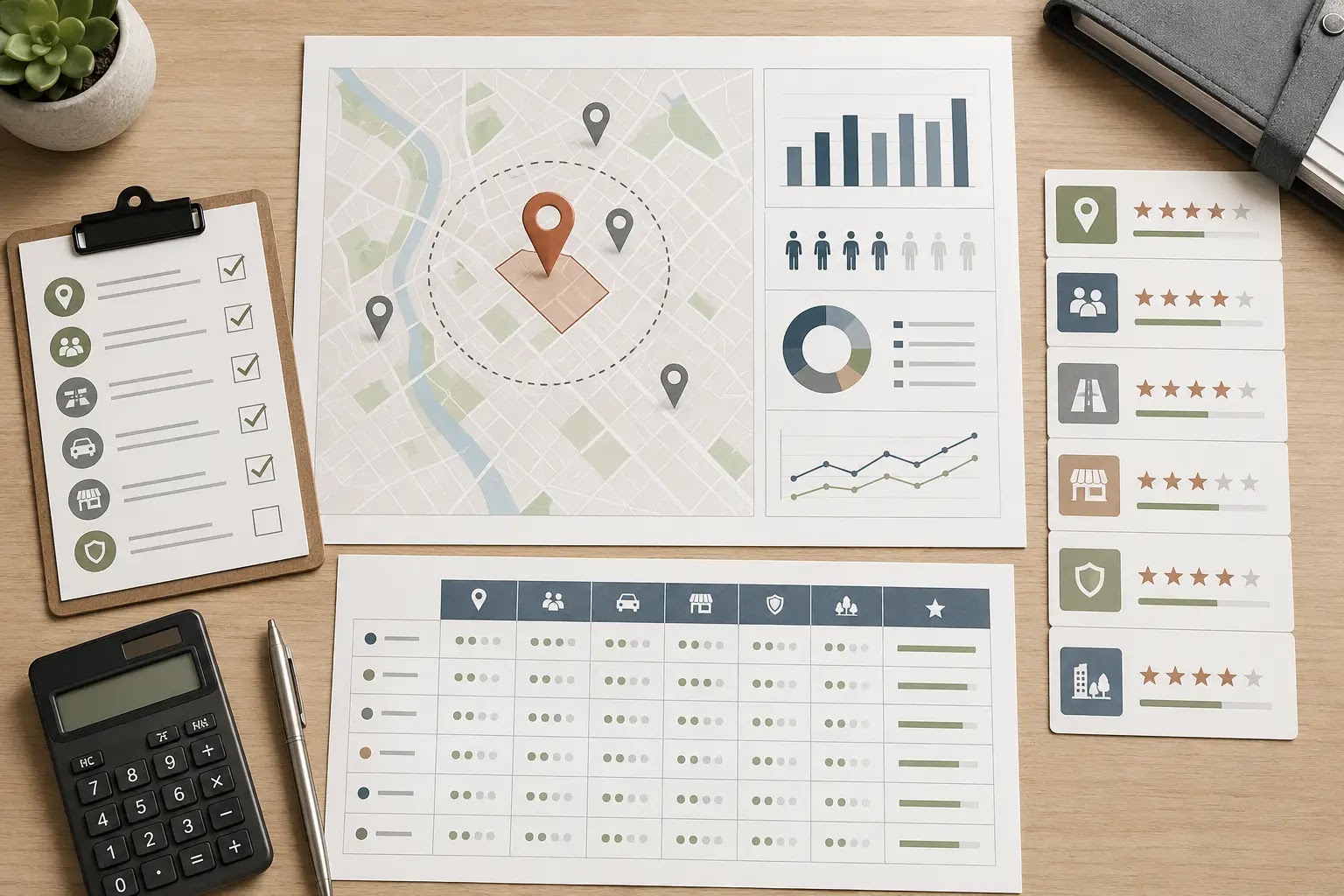
What should you do after the competitor marketing audit?
Once you finish the Vending Machine Competitor Marketing Audit Checklist, the goal is not just to collect notes. It is to decide whether the location still fits your route, what kind of customer demand you can reasonably expect, and which assumptions need to change in your financial model.
In practice, the audit should help you confirm whether competitor visibility, promotions, placement quality, and service levels are strong enough to affect your own machine mix, inventory turns, route mileage, repair exposure, commissions, software costs, and working capital needs.
Readiness scorecard: are your next steps clear?
| Checkpoint | What you should have | Decision use |
|---|---|---|
| Competitor profile | Who is operating nearby, how they market, and where they appear strongest | Shows whether you can compete on convenience, placement, pricing, or service |
| Location impact | Notes on foot traffic, access, visibility, and customer overlap | Helps judge whether the site supports your sales assumptions |
| Cost implications | Route time, refill frequency, repair risk, commissions, and inventory needs | Feeds operating expense and working capital assumptions |
| Plan update | Revised forecast, pitch deck notes, and site assumptions | Turns the audit into lender-, partner-, or buyer-ready documentation |
Next planning steps
- Combine your competitor notes into one location summary so the same assumptions are used across the model and plan.
- Flag which sites look defendable, which need more research, and which should be dropped.
- Update your revenue forecast with the local signals you actually observed, not generic industry expectations.
- Check whether competitor service levels imply more route time, more stockouts risk, or higher repair reserve needs.
- Review any commission, lease, vendor, or access terms that affect margin and operating flexibility.
- Document the assumptions you still need to verify before funding, acquisition, or launch decisions.
A business plan, financial model, pitch deck, checklist, and startup toolkit can help organize these assumptions, compare scenarios, and document the plan for partners, lenders, landlords, or advisors.
Final takeaway: if the competitor audit changes your expected demand, route cost, or operational burden, update the numbers before you commit to a machine, location, or purchase price.


