
Vending Machine Accessibility and Customer Flow Planning
A practical U.S. planning guide for vending machine accessibility and customer flow planning, built for founders, buyers, and operators comparing assumptions before committing capital.

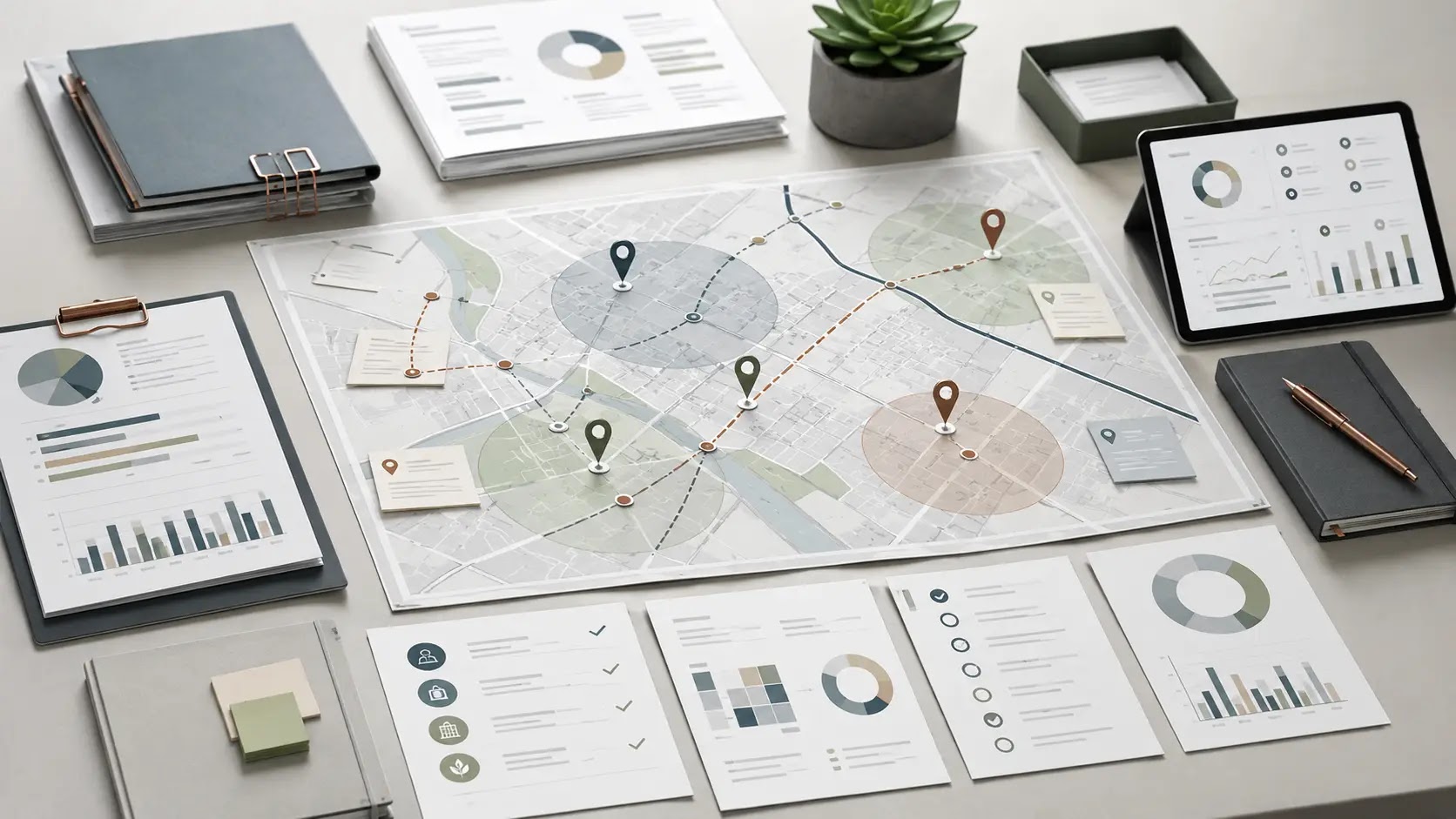
How should you plan vending machine accessibility and customer flow?
If you are buying or launching a vending route, the real question is not just whether a location “has traffic.” It is whether people naturally pass the machine, stop long enough to buy, and can do so without access problems that slow sales or complicate servicing. That affects route density, refill frequency, labor, mileage, commissions, and how much working capital the business needs.
For founders and buyers, accessibility planning is a practical filter: a strong site may still underperform if it is hard to reach, hard to stock, or dependent on narrow access windows. A weak site can also become costly if it requires extra drive time, repeated repairs, or landlord coordination that was not built into the numbers.
| What the reader is deciding | Which locations, route mix, and machine types are worth pursuing based on customer flow and operating access. |
|---|---|
| What must be verified locally | Lease terms, landlord permissions, access hours, utility availability, foot traffic patterns, commission expectations, repair access, and any local permit or placement requirements. |
The best planning lens is to treat each location as an operating unit, not just a sales opportunity. That means testing whether the site supports reliable stocking, visible placement, repeat purchasing, and manageable downtime across the route.
- Lease or placement terms: who controls the space, access hours, and any revenue share or commission structure.
- Equipment fit: machine size, product format, payment system, and serviceability for the site.
- Labor and route mileage: how much time, driving, and staffing the route will require.
- Menu economics: product mix, spoilage risk, refill frequency, and margin by machine type.
- Permits and site rules: local placement, health, building, or property requirements that affect installation and operation.
- Working capital: inventory, repair reserves, cash float, and the timing gap before machines stabilize.
- Funding readiness: whether the assumptions are documented well enough for a lender, partner, or investor review.
Next, the practical framework will turn these assumptions into a structured way to screen sites, compare routes, and separate promising placements from expensive ones.
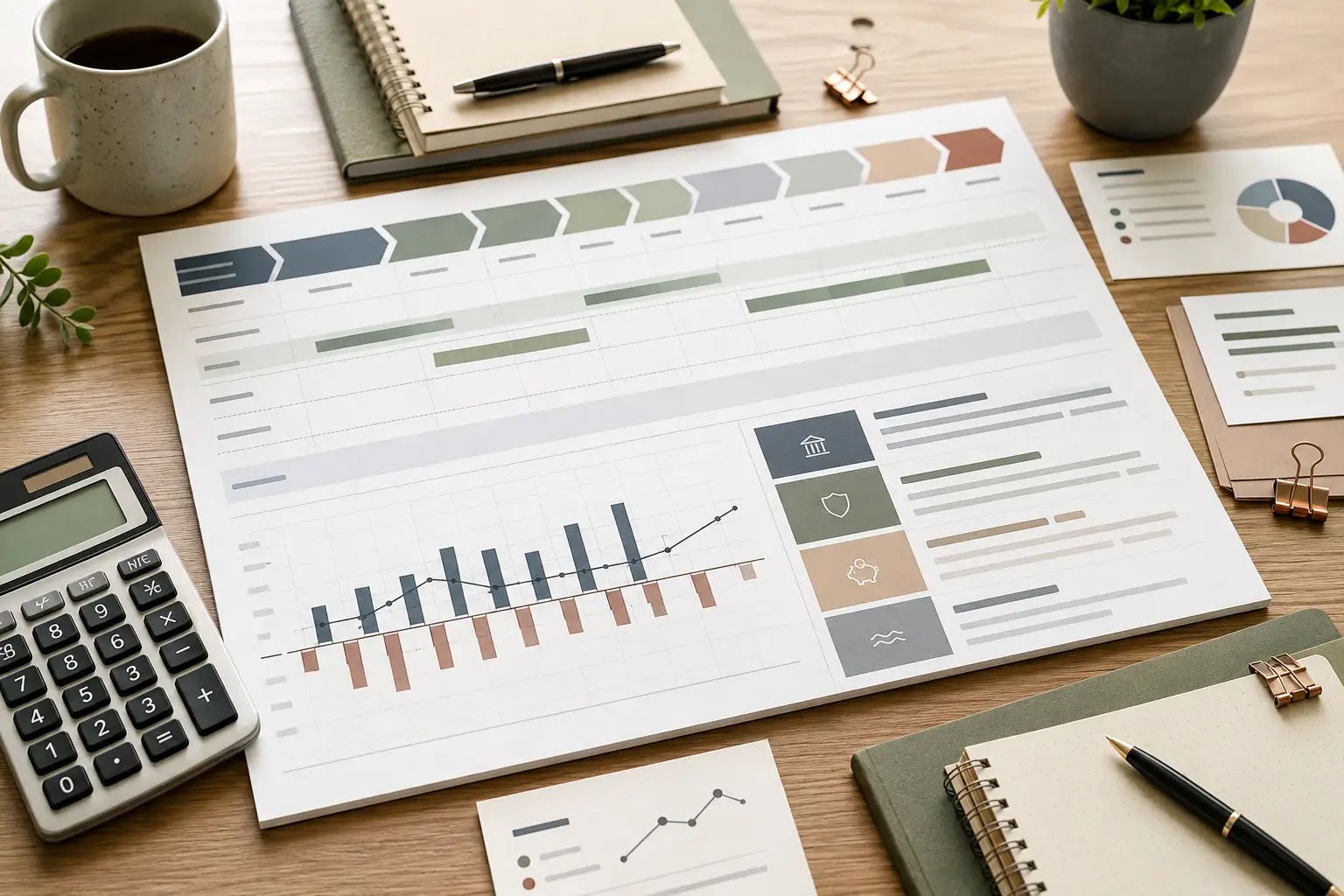
How should you document route accessibility and customer flow before you commit to a vending territory?
For a U.S. vending machine founder or buyer, the practical task is to turn each candidate site into a documented assumption set. The question is not just whether people pass by the machine, but whether they can actually reach it, use it quickly, and keep it supplied without turning the route into an inefficient series of small stops.
Which site and route inputs should you collect first?
| Planning area | Question to answer | Input to collect | Model impact | Verification source |
|---|---|---|---|---|
| Site visibility | Can users actually see the machine during normal traffic flow? | Entrance lines, hallway placement, signage limits, blind spots, and whether the machine sits in a natural path | Changes expected sales per site and the chance of impulse use | On-site walk-through with the location contact |
| Customer access | Is the machine easy to reach at the times people are present? | Open hours, access restrictions, employee-only areas, elevator or stair access, and any front-desk controls | Affects usable selling hours and site fit | Site manager, tenant rules, and a timed visit |
| Traffic pattern | When do people pass the machine and in what volume? | Shift changes, break windows, lunch periods, class changes, visitor flow, or lobby peaks | Shapes stocking frequency and demand assumptions | Observed traffic at different dayparts |
| Route density | How many machines can be serviced in one efficient loop? | Map of sites, drive times, cluster spacing, parking access, and stop duration | Directly affects fuel, labor time, and route productivity | Route map and travel-time review |
| Restock logistics | Can the machine be stocked without friction? | Loading path, cart access, dock access, storage space, elevator availability, and back-room clearance | Changes labor minutes per stop and restock capacity | Site visit and operator walk-through |
| Service access | Can repairs and maintenance happen quickly? | Electrical access, network or payment-device access, machine clearance, and ability to pull the unit for service | Influences downtime assumptions and maintenance reserve planning | Machine vendor specs and service technician review |
| Site economics | What terms does the location require? | Commission request, rent or placement fee, exclusivity language, term length, renewal options, and any minimum-performance expectations | Impacts margin, break-even timing, and route prioritization | Draft location agreement or written term sheet |
| Machine fit | Will the unit physically and operationally fit the site? | Dimensions, power requirements, product mix capacity, ADA-related placement concerns, and security considerations | Determines whether the site can support the planned machine type | Vendor specification sheet and site measurements |
What workflow turns site visits into documented assumptions?
- List candidate sites by territory and separate them by access type, such as office, industrial, residential, school, healthcare, or retail.
- Visit each site during the hours when customers are most likely to pass the machine, then record what actually happens on the ground.
- Measure the practical route factors: drive time, parking, stop duration, and how many machines can be serviced in one loop.
- Document placement details that affect flow, including visibility, walking path, queue interference, and whether users can reach the unit without detours.
- Confirm stocking and service constraints with the site contact, including access windows, loading limits, and any rules that affect restock timing.
- Capture commercial terms in writing so each site can be compared on a like-for-like basis.
- Translate each site into a standard assumption sheet before you add it to a route, lease, or acquisition target list.
Use this framework to rank locations by accessibility and route efficiency first, then send the documented assumptions into the financial model and risk review in the next block.
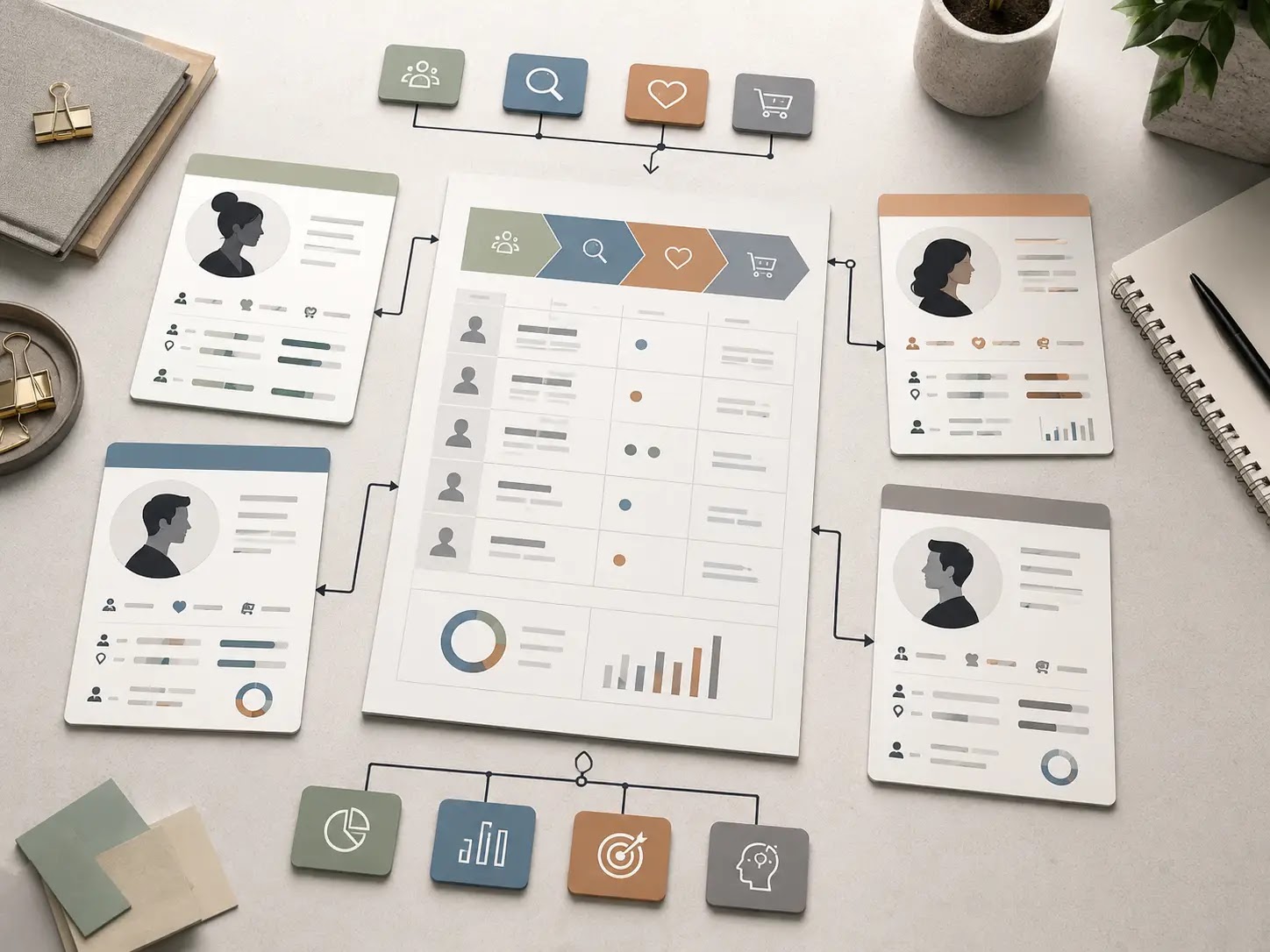
What can break accessibility and customer-flow assumptions on a vending route?
For vending machines, the biggest planning errors usually come from assuming every location will perform like the best one. A route can look attractive on paper and still underperform if the machine is hard to reach, the foot traffic is concentrated at the wrong times, or restocking and repair time eats into service capacity. Those issues affect route mileage, labor time, fill frequency, product spoilage risk, and how much working capital you need to keep the route supplied.
The practical question is not just whether a site has traffic, but whether that traffic is usable for your machine, your hours, and your operating model. A busy building with limited access windows can be harder to serve than a quieter site with easy parking, straightforward loading, and reliable access for maintenance. Lease terms, commission structure, service expectations, and machine placement all shape whether the stop belongs in the route.
That is why the planning lens should compare flow quality against service burden: how many stops you can realistically cover, how often each machine needs attention, and whether the route generates enough margin after travel, commissions, product, and repair downtime. The same location type can be a fit for one operator and a mismatch for another depending on staffing, equipment mix, and delivery discipline.
Scenario: high traffic, limited access
Strong demand can still be risky if delivery windows are narrow, parking is difficult, or the machine is placed far from the highest-traffic point.
Scenario: moderate traffic, easy servicing
Lower volume may still work if the stop is efficient to refill, easy to maintain, and fits well into a multi-stop route.
Scenario: commission-heavy location
A site may earn enough volume to justify the deal, but higher commissions can compress margin and reduce room for restocking and repair costs.
Which risk assumptions deserve the closest review?
| Planning risk | Why it matters | Assumption affected | How to verify |
|---|---|---|---|
| Restricted access hours | Can reduce refill efficiency and delay repairs | Service time, labor load, route capacity | Confirm site access windows with the location contact and test the actual loading path |
| Poor machine visibility | Low visibility can weaken impulse purchases | Sales per stop, product mix, placement value | Review the machine position during peak traffic periods and ask whether placement can be improved |
| Uneven foot traffic by time of day | Traffic may look strong overall but miss the machine’s selling window | Revenue timing, restock frequency | Observe the site at multiple times and compare it with the expected customer flow |
| Long travel between stops | Increases fuel, labor, and downtime between service calls | Route mileage, staffing, gross margin | Map the route, measure drive time, and compare it with expected service revenue |
| Commission or placement fees | Can change whether the site is profitable after product and service costs | Net margin, payback assumptions | Review the location agreement and model the fee as a recurring operating expense |
| Frequent repairs or downtime | Lost sales can be costly when a machine is offline in a good site | Maintenance reserve, working capital, uptime assumption | Track machine age, parts availability, and local technician access before committing |
These tradeoffs often determine whether a route is financeable, manageable, or too thin to support growth. A founder may choose fewer, easier stops to protect service quality, or accept more difficult sites only when the projected volume clearly covers mileage, restocking time, and expected downtime. Either way, the assumptions should be written down before you lock in a lease or commit to a route purchase.
This is the point in the process where the numbers and the site details need to line up. The final checklist should turn these risks into a simple go-or-no-go review for each stop, so you can compare routes, document assumptions, and decide which locations belong in the launch plan.

What should you do next to confirm your vending route plan?
Practical recap: Accessibility and customer flow are not just location questions; they drive how many machines a route can support, how often inventory must be restocked, how far you travel, how much downtime you can absorb, and whether a lease or commission deal still works after repairs and service visits.
If the route only looks good under optimistic foot-traffic assumptions, pause and verify the site-level inputs before you commit to a purchase, lease, or funding request.
Readiness scorecard: are you ready to move from idea to action?
| Check | What “ready” looks like | Status |
|---|---|---|
| Location access | You know who can reach each machine, when service is allowed, and whether access supports efficient restocking. | Verified / Pending |
| Customer flow | You have a realistic view of traffic patterns, dwell time, and whether the machine is placed where people actually pause. | Verified / Pending |
| Route density | Stops are clustered enough to limit wasted drive time and keep service work practical. | Verified / Pending |
| Service load | You have an estimate for inventory turns, repair calls, and refill frequency by site type. | Verified / Pending |
| Lease or commission terms | The site economics still work after rent, commission, and any shared revenue terms are included. | Verified / Pending |
| Working capital | You have enough cash for inventory, maintenance, software, and route buildout before steady collections arrive. | Verified / Pending |
Next planning steps
- List every target stop and note access limits, service windows, and likely customer traffic pattern.
- Estimate restock frequency, repair exposure, and mileage by route cluster instead of by machine alone.
- Test whether lease, commission, and service costs still leave enough margin for the route to work.
- Confirm your inventory plan, cash cushion, and replacement parts approach before signing anything.
- Document the assumptions that would change the deal so you can compare a startup, acquisition, or expansion scenario fairly.
Final takeaway: For a U.S. vending machine founder or buyer, the best route is the one that stays workable after access limits, customer flow, service mileage, and working capital are all included—not just the one with the best-looking location on paper.


