
Vending Machine Training Plan for New Staff
A practical U.S. planning guide for vending machine training plan for new staff, built for founders, buyers, and operators comparing assumptions before committing capital.

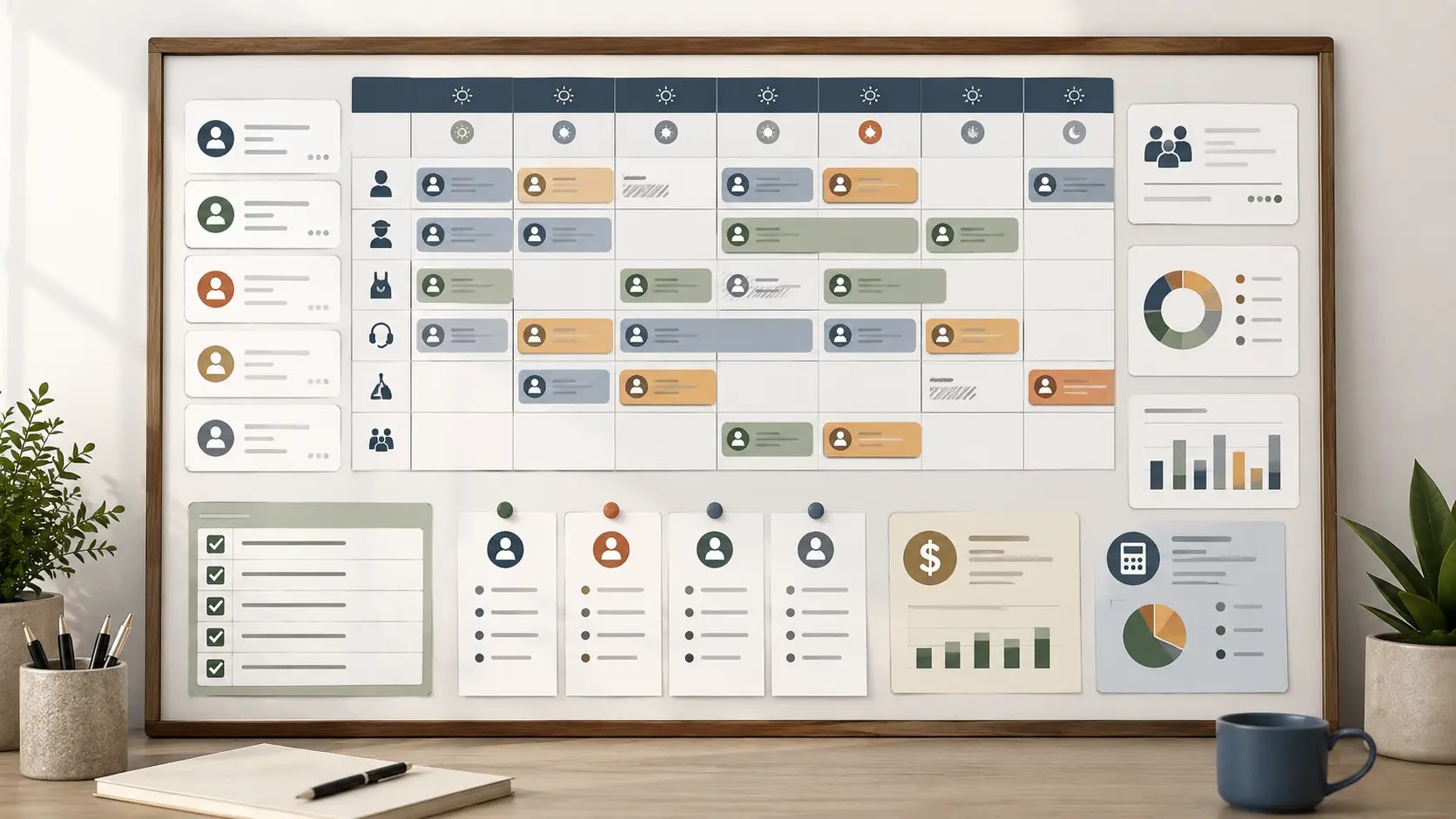
What should a vending machine training plan for new staff actually cover?
If you are hiring or assigning your first route staff, the training plan should be built around daily execution: stocking accuracy, machine checks, service logs, issue escalation, and reporting. For a U.S. vending operation, the real question is not just whether someone can fill a machine, but whether they can support route density, product control, repair coordination, and customer expectations without creating avoidable labor or inventory loss.
A practical plan also needs to fit the economics of the route. Training time, supervision, software use, travel mileage, spoilage handling, commissions, and repair response all affect working capital and staffing needs. If you are using this plan for startup, acquisition, funding readiness, or launch decisions, treat it as part of your operating assumptions, not just an HR checklist.
| What the reader is deciding | What must be verified locally |
|---|---|
| What tasks new staff must master before solo routes | Route layout, machine mix, software tools, and service expectations in the local market |
| How much supervision and training time the operation can support | Labor availability, wage assumptions, mileage, and manager oversight capacity |
| Whether the plan supports launch, acquisition, or funding readiness | Working capital needs, vendor terms, equipment condition, and repair response times |
- Lease/buildout: access terms, storage space, loading flow, and any site-specific restrictions
- Equipment: machine type, age, payment systems, and maintenance requirements
- Labor: onboarding time, route coverage, supervision, and replacement coverage
- Menu economics: product mix, spoilage risk, commissions, and refill frequency
- Permits: local and state requirements that may affect operations or placement
- Working capital: inventory buys, fuel, repairs, float, and payroll timing
- Funding readiness: documentation, assumptions, and reporting needed for lenders or partners
Next, the practical framework breaks these assumptions into a training structure you can actually use for daily operations and launch planning.

How should a vending machine training plan turn daily route work into documented assumptions?
A useful training plan does more than teach new staff how to stock machines. It sets the operating rules for route coverage, product handling, machine checks, exception reporting, and handoffs so the owner can compare what was planned with what actually happened on the route.
For a U.S. vending operation, the training document should connect each field task to a tracking input: machine ID, location, SKU mix, service frequency, mileage, labor time, repair notes, and vendor terms. That gives the business a cleaner basis for staffing decisions, restocking rules, and later financial modeling.
Which operating inputs should the training plan capture first?
| Planning area | Question to answer | Input to collect | Model impact | Verification source |
|---|---|---|---|---|
| Route coverage | Which machines does each staff member cover, and in what order? | Machine IDs, location list, route map, access windows | Labor time, route efficiency, missed-stop risk | Site list, route sheets, location agreements |
| Restocking standards | What is the target fill level before a machine is serviced? | SKU par levels, shelf capacity, package size, product mix | Inventory buys, stockouts, spoilage, working capital | Machine planograms, sales history, stock counts |
| Product rotation | How will staff rotate inventory and check freshness? | Receiving dates, expiration checks, rotation rules | Shrink, waste, customer satisfaction, write-offs | Receiving logs, pull dates, spoilage records |
| Cash and cashless reconciliation | How will daily collections and processor reports be matched to each machine? | Cash counts, cashless statements, machine telemetry, deposit logs | Revenue accuracy, shrink detection, reporting reliability | Processor portal, cash logs, machine reports |
| Cleaning and presentation | What service standard must every machine meet after a stop? | Cleaning checklist, photo standard, gasket and door checks | Service time, customer retention, rework risk | Supervisor review, photo logs, service audits |
| Repair escalation | When does staff fix, tag, or escalate a machine issue? | Common faults, spare parts, ticket process, vendor contacts | Downtime, repair cost, lost sales, technician hours | Service tickets, repair logs, parts inventory |
| Vendor and commission handling | What terms affect the route stop and the monthly payout? | Supplier pricing, delivery terms, commission terms, machine fees | Gross margin, order cadence, cash needs | Invoices, contracts, location statements |
| Route timing and mileage | How long should each stop take, including drive time? | Stop duration, drive distance, traffic patterns, parking access | Labor planning, fuel cost, route density | GPS logs, route test runs, mileage records |
What is the workflow from research to documented assumptions?
- List every machine by ID, location, and service priority so the route can be trained around actual stops rather than a generic schedule.
- Capture current sales, stock-out patterns, machine issues, and collection method for each stop to create a baseline for stocking and service frequency.
- Write the SOPs for loading, facing product, checking expiration dates, counting cash, reviewing cashless reports, and documenting exceptions.
- Set the decision rules for shortages, repair escalation, product substitutions, and when a staff member must call the owner or vendor.
- Define the handoff forms: route sheet, restock log, repair ticket, photo record, and end-of-route summary.
- Train on a small set of machines first, compare the route log to actual performance, and revise the assumptions before scaling to the full route.
- Store the final assumptions in one place so staffing, inventory ordering, and route planning all use the same operating numbers.
Next, Block 3 should pressure-test these operating inputs against labor, inventory, downtime, repair, and cash-flow tradeoffs.
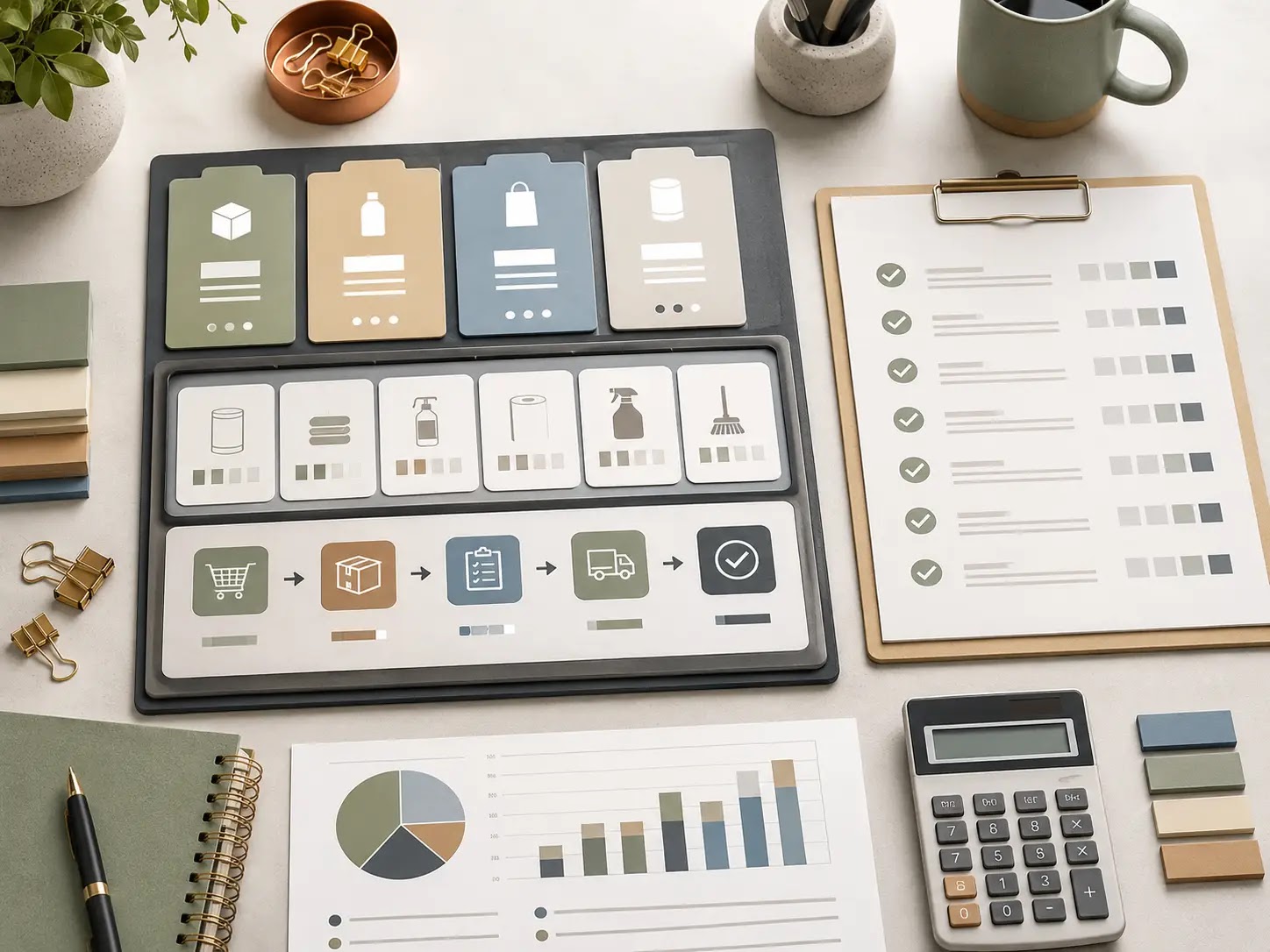
What planning risks should a new staff training plan account for?
For a vending machine operation, training is not just a people issue; it is part of the operating model. New staff need to handle stocking, route timing, machine checks, issue logging, and handoffs in a way that protects inventory accuracy and service consistency. If the training plan is vague, the weak point usually shows up in missed refills, slower repairs, or incomplete records rather than in the classroom itself.
The main tradeoff is speed versus control. A fast launch may use a lighter training approach, but that only works if the owner has clear SOPs, escalation rules, and supervisor review. A more detailed training plan can reduce mistakes, yet it also adds payroll time and may delay full route coverage. The right assumption to test is not whether staff can “learn the job,” but whether they can do it reliably enough to support route mileage, inventory turns, service calls, and reporting without constant owner intervention.
Use this stage to pressure-test the assumptions behind staffing, software use, repair response, and replenishment discipline. If the training plan depends on a route lead, a service vendor, or a specific software workflow, those dependencies should be visible now so they can be reflected in the operating model and later in the action checklist.
Scenario panel: where a training plan can affect operations
- Undertrained route staff: stocking errors, missed machine checks, and weak customer-site communication can raise service risk and reduce route efficiency.
- Inconsistent repair escalation: small machine issues can linger if staff do not know when to pause service, document the fault, or call a technician.
- Poor inventory logging: bad counts or missing updates can distort replenishment decisions and make working capital planning less reliable.
- Software adoption gaps: if staff do not use route, sales, or maintenance tools correctly, reporting quality and decision-making both suffer.
- Site-specific rules not trained: location managers may expect different delivery windows, access rules, or communication standards at each stop.
| Planning risk | Why it matters in vending | Assumption affected | How to verify |
|---|---|---|---|
| Incomplete SOP training | Staff may stock, count, or log stops differently from route to route. | Labor coverage and quality control | Review the SOP against actual route tasks and test it on one route day. |
| Weak machine troubleshooting | Simple issues can turn into longer downtime and extra service calls. | Repair response time and maintenance labor | Walk through common failure scenarios and confirm escalation steps with the service vendor. |
| Inventory handling mistakes | Bad counts can create overstock, stockouts, or wasted working capital. | Inventory levels and reorder frequency | Compare physical counts to software records during pilot routes. |
| Poor route timing discipline | Routes may run longer than planned and increase mileage or labor pressure. | Route mileage, labor hours, and schedule assumptions | Time a real route and note stop duration, travel time, and bottlenecks. |
| Unclear reporting ownership | Owners lose visibility into sales trends, exceptions, and service issues. | Management oversight and reporting cadence | Assign one person to review daily or weekly reports and confirm the format works. |
Before moving to the final action checklist, document which assumptions are still untested: staffing coverage, route timing, repair handoff, inventory accuracy, and reporting cadence. That gives the checklist a clear job—turn the training plan into a launch-ready operating process rather than a set of general instructions.

What should you do next before training new vending staff?
The practical decision is simple: train to the route, not to a generic job description. A strong vending machine training plan connects stocking accuracy, machine checks, repair escalation, inventory handling, route mileage, and reporting so the business can keep machines serviced without wasting labor or inventory.
If those pieces are documented and repeatable, you are closer to a launch-ready operation. If they are still informal, the next step is to tighten the SOPs, confirm who owns each task, and test the plan on a small route before scaling.
Readiness scorecard: is the training plan usable yet?
| Readiness item | What “ready” looks like | What to verify now |
|---|---|---|
| Route coverage | Each machine and stop has a clear owner | Who covers absences, vacations, and overflow routes |
| Stocking SOP | Staff follow the same loading, counting, and sanitation steps | Inventory handling, expiration checks, and fill standards |
| Repair escalation | Issues are reported quickly and routed to the right vendor or technician | Response steps, contact list, and outage logging process |
| Reporting cadence | Sales, inventory, commissions, and exceptions are recorded consistently | Daily or weekly reporting format and who reviews it |
| Working capital awareness | The team understands replenishment timing and cash needs | Inventory spend, repair reserve, and route labor assumptions |
Next-step checklist for founders and buyers
- Finalize one-page SOPs for stocking, machine checks, cashless device checks, sanitation, and issue reporting.
- Assign responsibility for each route, including backup coverage for sick days and route changes.
- Set a simple reporting template for sales, inventory used, service calls, mileage, and downtime.
- Review repair escalation steps so staff know when to troubleshoot, when to tag a machine, and when to notify a vendor.
- Test the training plan on a small number of machines before rolling it across the full route network.
- Update the plan after the first few weeks based on actual labor time, replenishment timing, and machine issues.
If you are turning these assumptions into a lender, partner, landlord, or advisor package, a business plan, financial model, pitch deck, checklist, and startup toolkit can help organize the operating inputs, compare scenarios, and document the plan in one place.


