
Vending Machine Startup Roadmap for Investors and Lenders
A practical U.S. planning guide for vending machine startup roadmap for investors and lenders, built for founders, buyers, and operators comparing assumptions before committing capital.

Is a Vending Machine Startup Worth Backing for Investors and Lenders?
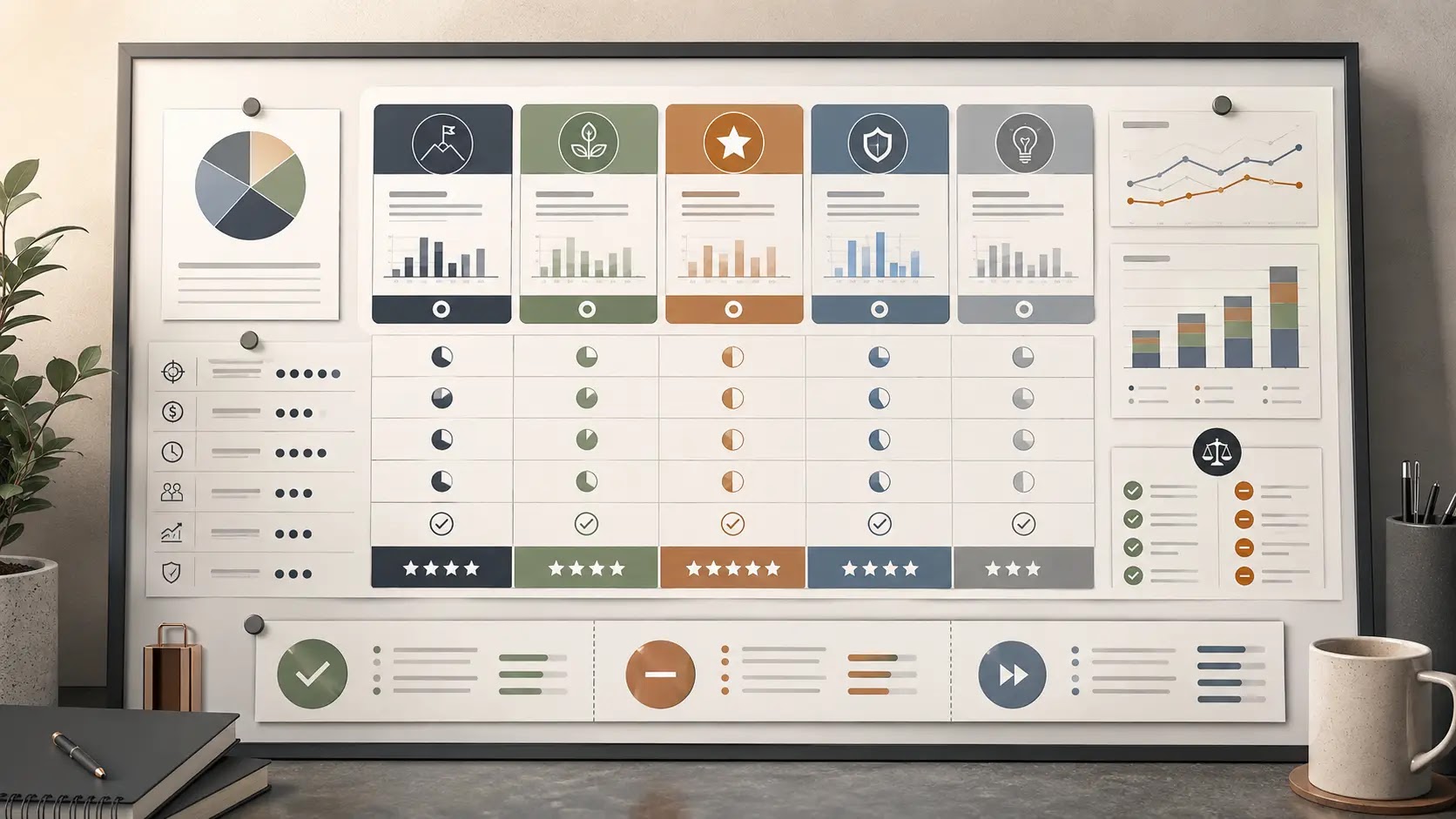
A vending machine business can be viable when the route, machine mix, stocking plan, and maintenance assumptions are documented before money is committed. For founders, buyers, and lenders, the real question is not just whether machines sell product, but whether the location terms, inventory turns, service burden, and working capital support the plan.
That means the feasibility answer depends less on the idea itself and more on local execution: where the machines will sit, who controls access, how often they need service, what the product economics look like, and how much cash is needed to keep inventory and repairs moving. If you are evaluating a startup, acquisition, or funding request, the plan should be tied to verifiable local inputs rather than generic industry assumptions.
| What the reader is deciding | What must be verified locally |
|---|---|
| Whether the vending concept can be started, bought, or financed with acceptable risk | Route quality, machine access terms, product demand, commission expectations, repair burden, inventory needs, and funding capacity in the target market |
For early planning, the biggest driver is usually not one line item but the interaction between location economics and operating discipline. A strong location can still underperform if stocking is inefficient, equipment is outdated, or cash is too tight to cover inventory, service calls, and replacement parts.
- Lease or site access terms
- Equipment condition and replacement needs
- Labor and stocking frequency
- Menu economics and product mix
- Permits and local operating requirements
- Working capital for inventory and repairs
- Funding readiness and lender documentation
Next, the practical framework breaks these assumptions into the inputs that change the answer fastest, so you can separate a promising route from one that only looks attractive on paper.
What should a vending machine founder document before building the model?
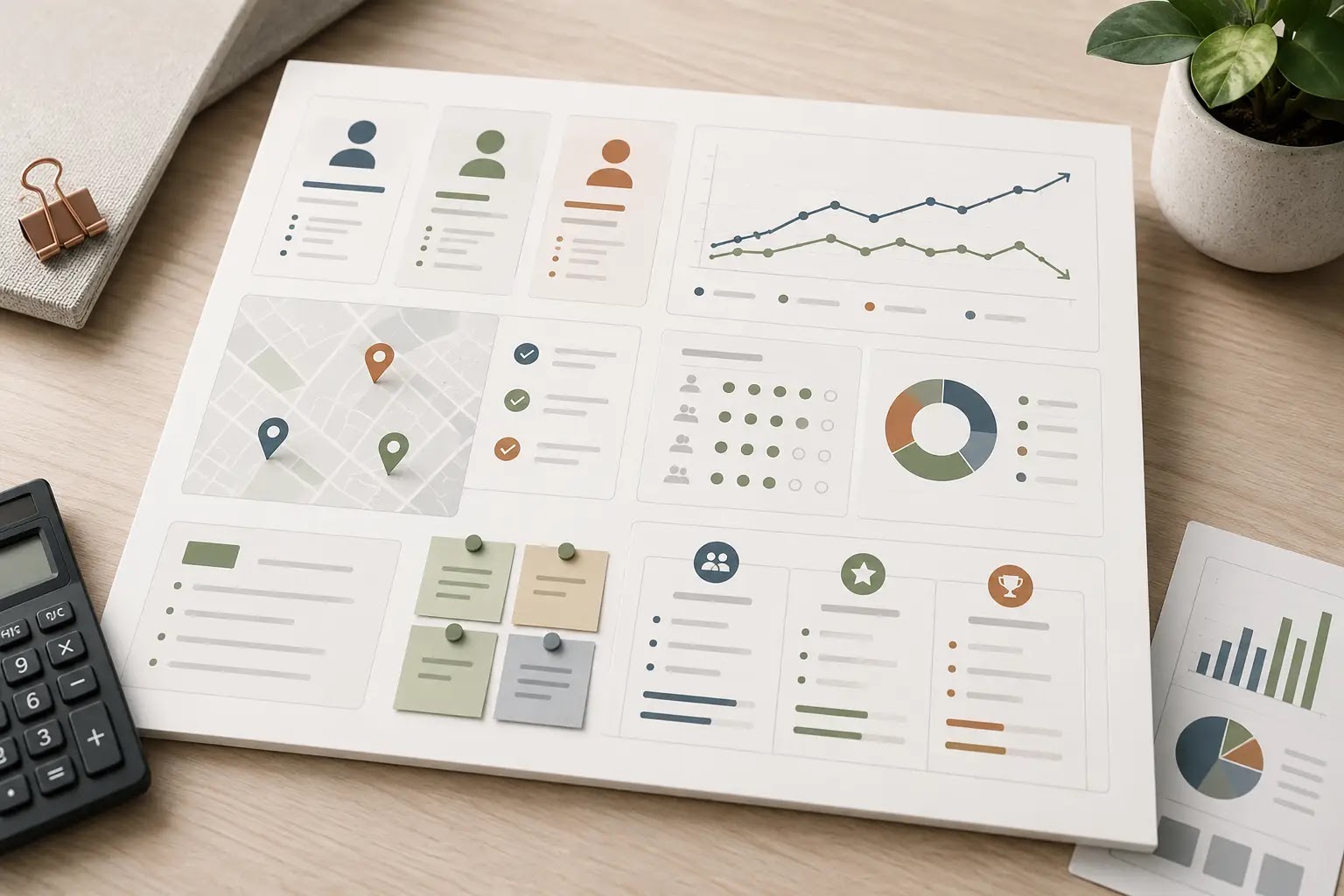
For a U.S. vending machine startup, the feasibility work starts with the route, the locations, and the machine mix—not with a revenue guess. Investors and lenders will want to see how each machine is expected to earn, how often it will be serviced, what it will cost to restock and repair, and how much working capital is needed before the route stabilizes.
The practical goal is to turn a promising route idea into documented assumptions that can be tested location by location. That means separating what you know from what still needs local verification.
Which assumptions drive the decision?
| Planning area | Question to answer | Input to collect | Model impact | Verification source |
|---|---|---|---|---|
| Location access | Where will each machine be placed, and what access terms apply? | Site type, hours of access, placement restrictions, any commission or revenue-share terms | Revenue potential, service schedule, and margin | Signed location agreement, site contact, landlord or property manager |
| Machine count and mix | How many units are needed, and what type of product mix fits the site? | Number of machines, snack/drink/combination mix, new versus used units, capacity | Startup cost, inventory needs, service frequency, and route density | Vendor quotes, equipment specs, site observations |
| Customer demand | What traffic pattern supports the machine? | Employee count, visitor flow, dwell time, operating hours, nearby alternatives | Sales assumption and replenishment cadence | On-site observation, tenant or employer interviews, local market review |
| Inventory mix | What products will likely move in that location? | Product categories, package sizes, price points, seasonal items | Gross margin, shrink risk, spoilage risk, cash tied up in stock | Supplier catalogs, comparable route experience, pilot sales data |
| Route mileage and service time | How much driving and labor is required to keep the route stocked? | Distance between stops, refill cadence, service time per stop | Fuel, labor, vehicle use, and route productivity | Map-based route planning, live test route, operator notes |
| Repairs and maintenance | What upkeep is likely during the first year? | Age of machine, refurbishment needs, parts availability, service provider options | Maintenance expense, downtime, replacement reserve | Inspection report, seller disclosures, technician estimate |
| Payment processing | Will cashless payments be needed at the site? | Payment hardware, processing terms, connectivity requirements | Transaction fees, conversion rate, monitoring and support cost | Merchant provider terms, hardware vendor quote, site connectivity check |
| Working capital | How much cash is needed before the route stabilizes? | Inventory fund, spare parts reserve, fuel, labor, rent or commissions, launch buffer | Liquidity, lender comfort, launch runway | Startup budget, supplier terms, owner cash plan |
How should the research move from idea to documented assumptions?
- Map the target route. List the candidate locations, the machine type each site can support, and any access limitations that affect service timing.
- Collect site-level demand evidence. Use observation, manager interviews, and tenant or employee counts where available to support the traffic assumption.
- Request vendor and supplier quotes. Gather machine pricing, refurbishment estimates, payment hardware terms, and product supplier pricing so the startup budget is based on current inputs.
- Estimate service workload. Document route mileage, refill frequency, labor time, and expected downtime so operating costs reflect the real service plan.
- Build the inventory and cash plan. Separate initial stock, spare parts, and operating cash from one-time equipment purchases and install costs.
- Record every assumption with a source. Mark each input as verified, estimated, or still unknown so the lender or investor can see which parts are ready and which still need local confirmation.
What belongs in the feasibility file before the model is finalized?
Location evidence
Site notes, access terms, and any commission or revenue-share discussion.
Equipment evidence
Quotes or listings for new or used machines, plus refurbishment and install needs.
Operating evidence
Route mileage, refill cadence, product plan, repair assumptions, and service workflow.
Funding evidence
Startup cash need, working capital buffer, and any vendor-terms or lease assumptions to verify.
Verification note: Machine prices, supplier terms, location commissions, payment fees, and landlord requirements vary by market and by counterparty. Before presenting the plan to a lender or investor, verify the current terms directly with local sites, vendors, and service providers.
Once these inputs are documented, the next step is to translate them into revenue scenarios, operating costs, and break-even sensitivity checks for lender and investor review.
What planning risks matter most before you buy or launch a vending route?
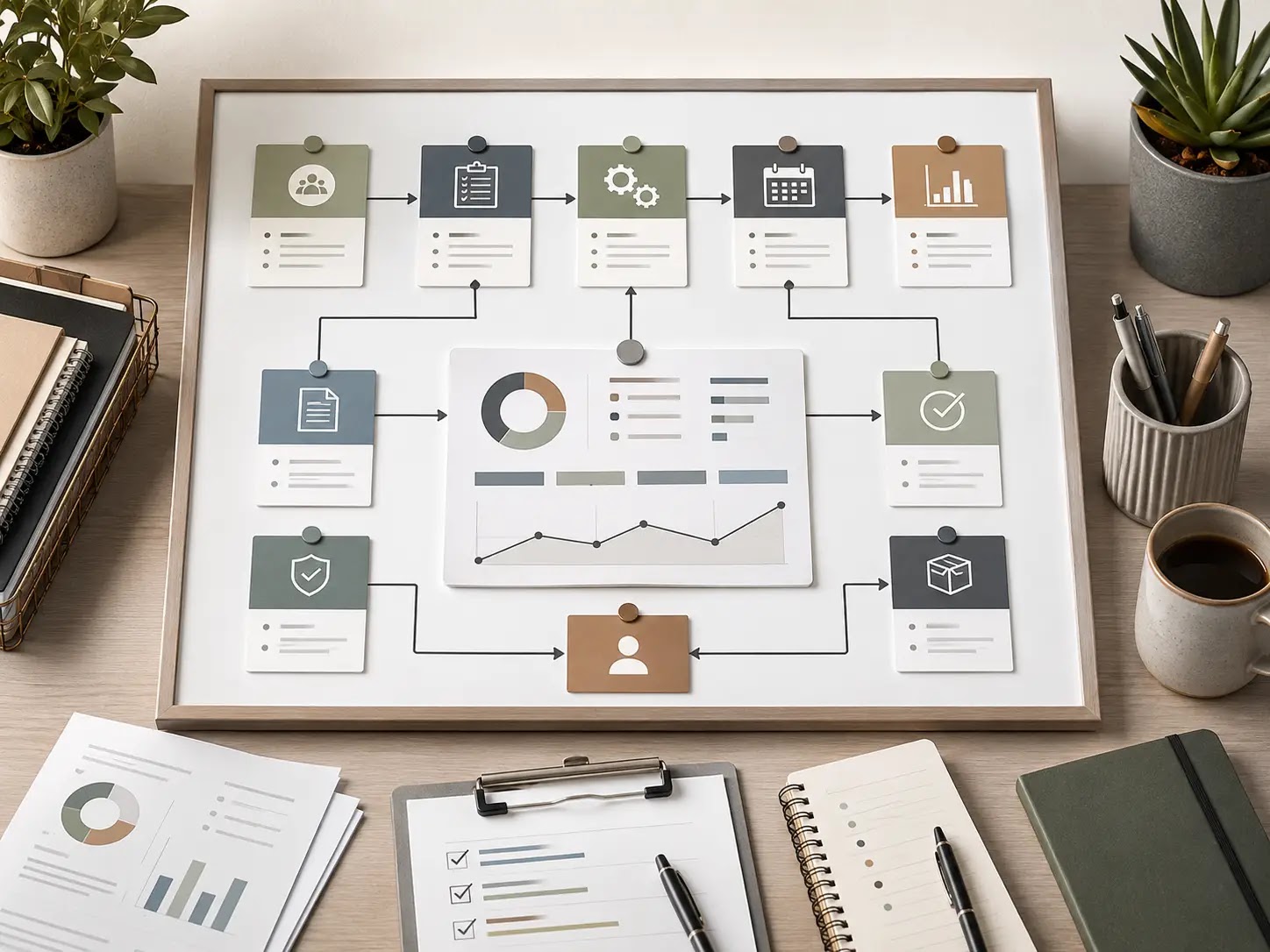
For investors and lenders, the central question is not whether vending machines can produce revenue, but whether the route can support predictable cash flow after commissions, servicing, spoilage, downtime, and route mileage are built into the plan. The most useful assumptions are usually machine uptime, account stability, refill frequency, payment mix, and how much working capital is needed to keep inventory and service calls moving without interruption.
The biggest tradeoff is between simplicity and control. A small, well-placed route may be easier to manage, but it can be exposed if one or two locations underperform or change terms. A larger route may spread risk, but it can also raise labor, maintenance, and coordination demands. If you are buying an existing business, the issue is not just historic revenue; it is whether the machine condition, location agreements, and customer traffic are durable enough to justify the price and any financing structure.
Document the assumptions that can move the model most: route density, machine age, payment processing costs, product mix, commission structure, theft/shrink exposure, repair frequency, and the timing gap between spending on inventory and collecting cash or card revenue. That documentation is what makes the case usable in a lender review or investor discussion and helps you decide whether the route needs a more conservative structure before you move to the final action checklist.
Strong-case scenario
Location mix is stable, service routes are efficient, and machines are in workable condition. The model should still test downtime, restocking cadence, and whether commissions leave enough margin after fuel and repairs.
Mixed-case scenario
Revenue is plausible, but several assumptions depend on unverified location traffic or older equipment. This case should pressure-test replacement timing, service labor, and cash reserves.
Stressed-case scenario
Traffic softens, a key site is lost, or repairs rise faster than expected. The plan needs enough working capital and flexibility to absorb a weaker route without breaking the funding structure.
| Planning risk | Why it matters in vending | Assumption affected | How to verify |
|---|---|---|---|
| Location turnover | A site can lose traffic or change terms with little notice. | Revenue stability and account life | Review site history, ask for agreement terms, and confirm traffic with the location contact. |
| Machine downtime | Broken or aging machines reduce sales and create service costs. | Maintenance reserve and uptime assumption | Inspect machine age, condition, repair history, and parts availability. |
| Route inefficiency | Long drives and scattered stops can erode margin even if sales look adequate. | Labor, fuel, and route mileage | Map stops, measure drive time, and compare service frequency to product turnover. |
| Inventory mismatch | Slow-moving products tie up cash; fast sellers require tighter replenishment. | Working capital and inventory budget | Review item-level sales patterns and test a conservative reorder plan. |
| Commission pressure | Location fees can materially change margin, especially on smaller accounts. | Gross margin and payback period | Verify the current commission structure and whether it changes by site or contract type. |
| Card and processor costs | Cashless payments improve convenience but add fees and settlement timing issues. | Net revenue and cash timing | Check processor terms, device fees, and payout timing with the vendor. |
| Theft or shrink | Cash handling and product loss can weaken results if controls are loose. | Net profit and control procedures | Review security features, cash collection process, and incident history. |
Verification callout
Local rules, costs, vendor terms, lease terms, and financing conditions vary by market and by deal. Check current local sources for licensing, site access, landlord requirements, payment processor terms, equipment warranties, and lender conditions before you rely on any pro forma or purchase price. This is especially important if the plan depends on route exclusivity, renovation timing, or borrowed capital.
What should a vending machine founder or buyer do next?
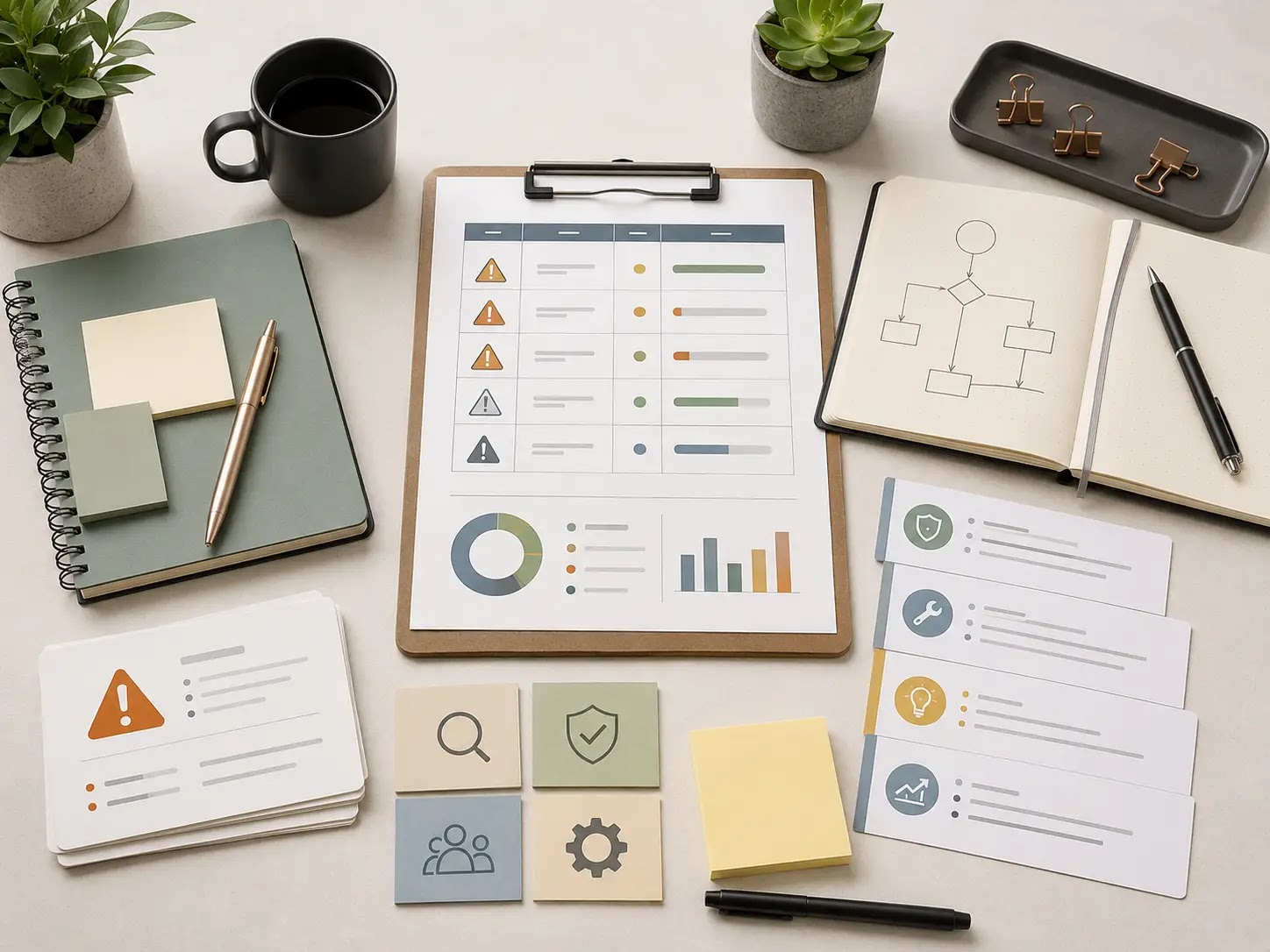
For investors and lenders, the decision usually comes down to whether the route, locations, machine mix, commissions, service plan, and working capital are documented well enough to support the numbers. If those inputs are still loose, the opportunity is not rejected—it is simply not ready for serious underwriting, partner review, or acquisition diligence.
Quick recap of the decision path
First, verify the local assumptions that drive revenue and operating costs: location quality, customer traffic, machine placement terms, inventory mix, repair frequency, route mileage, and software or service fees. Next, test whether startup or purchase pricing can be supported by realistic cash flow and a working capital cushion. Finally, compare scenarios so you can see whether buying, starting small, or waiting for better locations is the stronger path.
Readiness scorecard
| Planning area | Ready when you can answer |
|---|---|
| Locations | Which sites are available, who controls them, and what terms affect margin? |
| Machine plan | What machine types, age, and condition match the target locations? |
| Operating costs | What do inventory, service calls, fuel, commissions, software, and repairs look like in your model? |
| Funding readiness | Can you explain use of funds, break-even assumptions, and working capital needs clearly? |
| Evidence | Do you have a plan, model, and supporting documents that a lender, landlord, or partner can review? |
Next planning steps
- Lock the most important location assumptions and note which are confirmed versus estimated.
- Update the vending machine financial model with route mileage, inventory replenishment, maintenance, and commission assumptions.
- Stress test a few scenarios: startup versus acquisition, slower sales versus stronger sales, and higher repair or inventory costs.
- Gather supporting documents that show machine condition, lease or placement terms, vendor pricing, and expected working capital needs.
- Prepare lender- or partner-ready materials that explain the business plan, funding request, and launch timeline in plain language.
Practical bridge: a business plan, financial model, pitch deck, checklist, and startup toolkit can help organize assumptions, compare scenarios, and document the plan for partners, lenders, landlords, or advisors.
Local rules, contract terms, vendor pricing, and financing conditions vary by market and should be verified with current local sources before you commit.


