
Vending Machine Site Selection Criteria for U.S. Markets
A practical U.S. planning guide for vending machine site selection criteria for U.S. markets, built for founders, buyers, and operators comparing assumptions before committing capital.

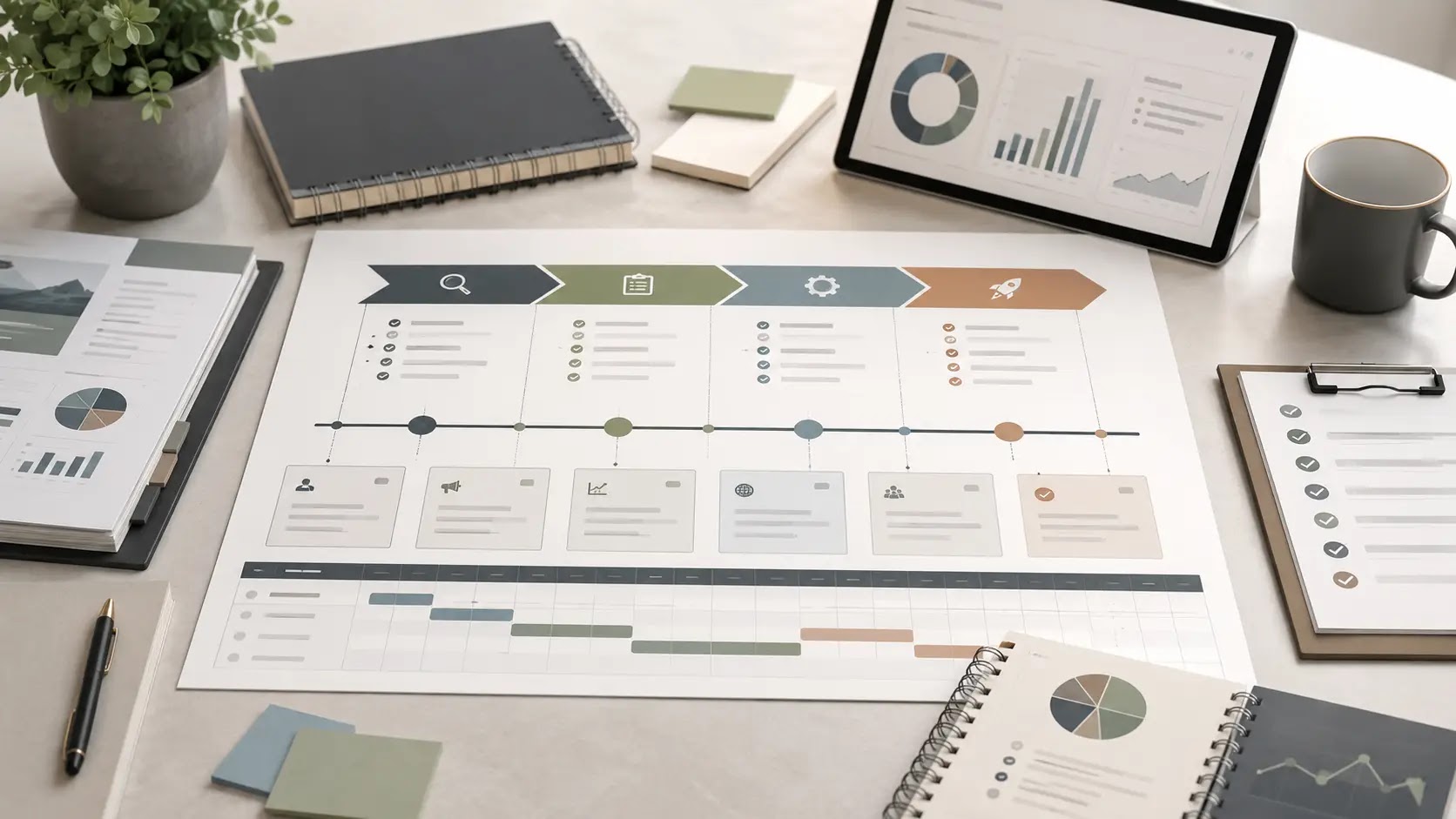
What makes a vending machine site viable in U.S. markets?
For a buyer or founder, site selection is usually the first real test of whether a vending machine route can support the machine count, service cadence, and cash needs behind the plan. The best location is not just the one with foot traffic; it is the one where traffic, access, product mix, commission structure, and refill logistics line up with the route economics.
In practice, the site decision affects how often you drive, how much inventory you carry, how quickly machines sell through, and how much cash you need before the route stabilizes. A strong location can reduce waste and service burden, while a weak one can look acceptable on paper but fail after commissions, spoilage, downtime, and labor are included.
| What the reader is deciding | What must be verified locally |
|---|---|
| Whether the site can support steady machine usage | Actual traffic pattern, customer mix, hours of access, and competing food options |
| Whether the location works operationally | Loading access, storage space, power needs, service frequency, and route mileage |
| Whether the site works financially | Rent or commission terms, expected product mix, inventory turnover, repairs, and working capital needs |
Before signing a lease or accepting a route, the key is to identify which assumptions are carrying the model and which ones must be checked with the property owner, host site, vendors, and local sources.
- Lease or commission terms
- Equipment fit and buildout needs
- Labor and route mileage
- Menu economics and product mix
- Permits and landlord or host-site requirements
- Working capital for inventory, repairs, and replenishment
- Funding readiness and lender-facing documentation
Next, the practical framework breaks those assumptions into the local inputs you should verify before you commit to a site or route.

What should a vending route planner verify before choosing a site?
For U.S. vending machine founders and buyers, site selection is not just about foot traffic. It is a route-and-territory decision that affects refill frequency, drive time, spoilage risk, commission structure, machine uptime, and how much working capital the route will need.
Which site inputs matter most for route planning?
| Planning area | Question to answer | Input to collect | Model impact | Verification source |
|---|---|---|---|---|
| Location type | Is the site better for snack, beverage, micro-market-style assortment, or specialty products? | Site category, employee count, visitor profile, operating hours, break patterns | Product mix, machine type, SKU count, inventory turns | Site walkthrough, operator notes, host interview |
| Foot traffic pattern | When do people actually pass the machine? | Peak times, shift changes, lunch windows, evening activity, weekend use | Expected sales timing, stocking cadence, labor scheduling | On-site observation, host schedule, security or facilities staff |
| Access and placement | Can the machine be serviced without disrupting the site? | Loading access, elevator access, indoor/outdoor placement, clearance, power, Wi-Fi or cellular signal | Route efficiency, installation cost, repair downtime, telemetry reliability | Site survey, landlord or facilities approval, install vendor input |
| Ownership and permission | Who controls the space and what approvals are needed? | Property owner, tenant, management company, contract term, exclusive rights, removal terms | Launch timing, site security, termination risk | Written agreement, route contract, property manager confirmation |
| Commission and economics | Does the site economics support the expected volume? | Commission structure, rent or location fee, revenue share terms, utility responsibility | Gross margin, payback timing, site-level contribution | Draft agreement, invoice terms, operator benchmark comparison |
| Route density | Does this site fit the rest of the route without long dead miles? | Distance to existing stops, travel time, clustering potential, service sequence | Fuel cost, labor time, route productivity | Route map, drive-time review, territory plan |
| Refill frequency | How often will the machine need restocking and maintenance? | Expected sales volume, machine capacity, storage constraints, product shelf life | Inventory purchases, service labor, working capital needs | Site observation, trial stocking plan, product turnover assumptions |
| Machine fit and condition | Is the existing or planned machine suitable for the site? | Machine age, payment system, refrigeration needs, ADA/access placement, service history | Repair reserve, retrofit cost, downtime risk | Inspection, seller records, technician review |
| Security and loss risk | Will theft, vandalism, or cash handling create extra cost? | Camera coverage, staffing, cash exposure, neighborhood security, after-hours access | Cash loss risk, maintenance budget, insurance and servicing workflow | Site visit, host policies, vendor security review |
| Expansion potential | Can this territory support more machines later? | Adjacent buildings, second shifts, nearby accounts, route adjacency, exclusivity limits | Territory growth, fleet utilization, acquisition value | Territory map, broker or owner interviews, pipeline list |
How should a founder move from site research to documented assumptions?
- Map the territory first. Group candidate sites by drive time, customer type, and service day so the route design is visible before you commit to any one location.
- Separate “good traffic” from “good fit.” A busy building may still be weak if access is poor, commission terms are high, or service times are awkward.
- Document the site owner structure. Record who approves placement, who signs the agreement, and who can change terms later.
- Estimate route burden. Capture refill frequency, storage needs, machine access, and repair responsiveness so the site can be serviced on schedule.
- Translate observations into model inputs. Note assumed sales intensity, product mix, commission expense, labor time, travel time, and inventory turns.
- Check whether the site improves or weakens density. Favor placements that reduce dead miles, cluster with existing stops, or create a logical expansion corridor.
- Record the assumptions in one place. Use a site sheet for every candidate location so the plan can be compared, revised, and shared with partners or lenders.
What should be captured before the site enters the financial model?
- Site type and customer profile
- Observed traffic windows and operating hours
- Approval path, lease or route agreement status, and removal rights
- Commission, rent, or revenue-share terms
- Power, access, install constraints, and service logistics
- Estimated stocking cadence and labor minutes per stop
- Product categories likely to move at that location
- Distance from other route stops and planned service cluster
- Repair risk, security risk, and machine compatibility
Once these site-level assumptions are documented, the next step is to test how they change revenue, gross margin, service labor, and cash needs. Block 3 should convert this route data into planning tradeoffs and risk checks.

What tradeoffs matter most when selecting vending machine sites?
For a vending route, site selection is not just a placement decision; it sets the operating load on the whole business. A strong location can still be a weak fit if the lease or commission structure is heavy, the restock pattern is inefficient, the machine mix does not match demand, or the route creates too much drive time and repair downtime.
The practical question for founders and buyers is whether the site improves net route economics after you account for inventory turns, service frequency, cash handling or payment processing, and the labor needed to keep machines stocked and working. The same location can look attractive on gross sales potential but underperform once commission, spoilage, vandalism risk, and maintenance response time are built into the plan.
High-traffic, higher-commission site
Useful when traffic quality and repeat usage are strong, but the lease or placement terms can compress margin. This scenario usually depends on accurate sales assumptions and disciplined restocking.
Lower-traffic, lower-cost site
Can work if the machine category matches the audience and the route can serve nearby stops efficiently. The risk is that sales volume may not support the fixed operating effort.
Scattered route with longer drive times
May reduce site concentration and raise labor, fuel, and repair-response burden. This matters most when you are modeling route capacity, not just machine count.
| Planning risk | Why it matters in vending | Assumption affected | How to verify |
|---|---|---|---|
| Commission or placement terms are heavier than expected | Reduces the revenue left after the site share is paid and can change site viability. | Net sales margin and break-even volume | Review the site agreement and confirm the actual payment structure with the property owner or manager. |
| Foot traffic does not match purchase behavior | Busy sites do not always produce strong vending sales if dwell time, audience fit, or access is weak. | Sales forecast per machine | Observe the location at different times and ask the site contact about peak patterns and user mix. |
| Restock visits take too long | Long routes raise labor and transportation cost and can leave machines out of stock. | Route capacity and service frequency | Map the route, estimate stop time, and compare nearby-site clustering before committing. |
| Repair and downtime risk is higher than planned | Older machines, exposed sites, or weak support can reduce uptime and sales continuity. | Maintenance budget and equipment replacement reserve | Inspect machine age, service history, and access conditions; confirm parts and technician availability. |
| Product mix is not aligned with the site | Mismatch between snacks, beverages, or specialty items and the audience lowers conversion and inventory turns. | SKU mix and inventory working capital | Match the assortment to site type and review sales by category after a pilot or comparable location review. |
| Payment processing and cash handling are harder than expected | Cashless systems, cash collection, and reconciliation affect labor, shrink, and reporting accuracy. | Operating workflow and back-office load | Confirm processor terms, machine compatibility, and the process for cash pickup and reconciliation. |
These tradeoffs should be tested before you commit to a route, buy a machine, or present the opportunity in a pitch deck. The goal is to show that your site choices are supported by documented assumptions about sales, service time, commissions, repairs, and working capital, not just by a promising address.
With those assumptions pressure-tested, the next step is a final action checklist that turns the site decision into a launch-ready plan.
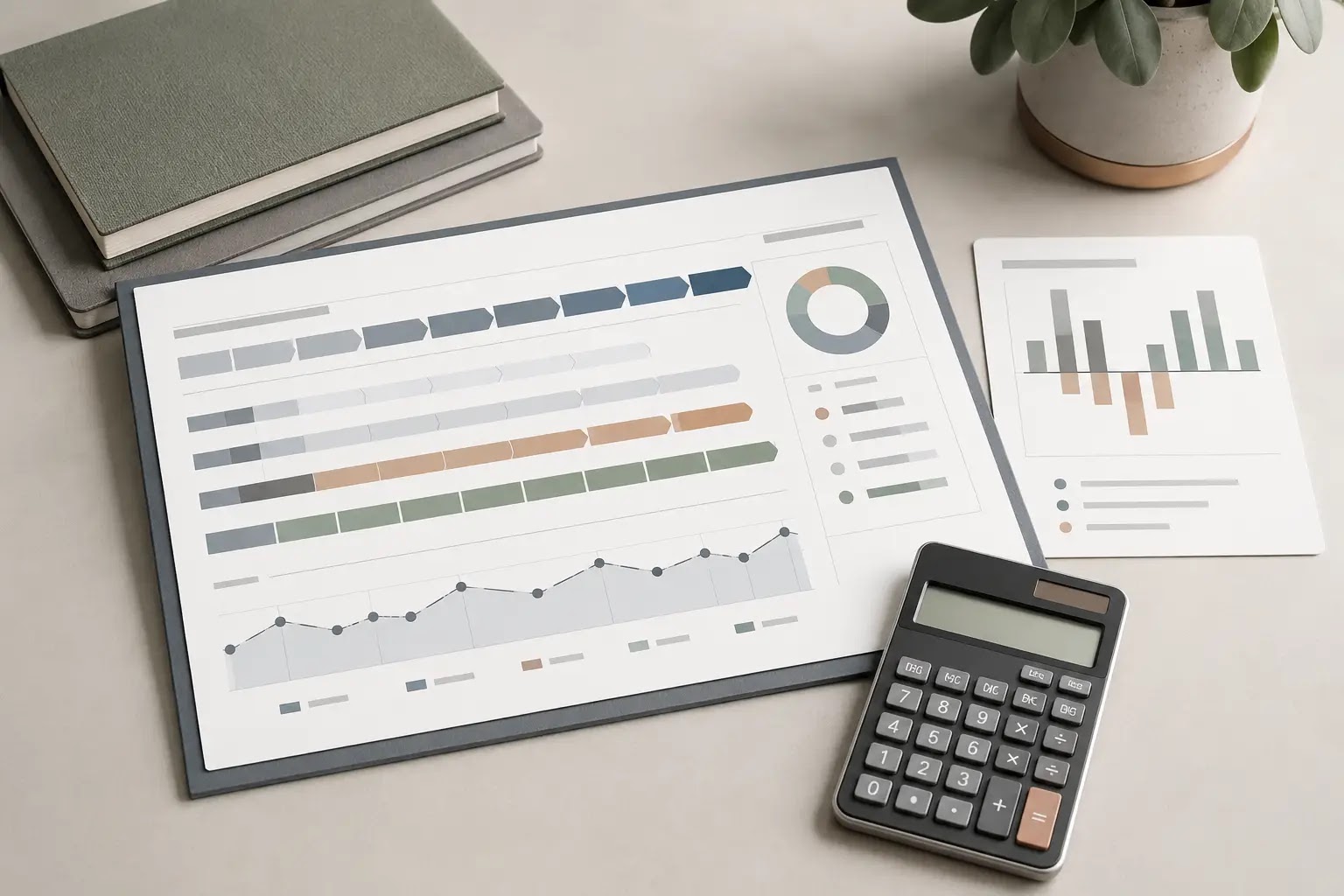
What should you do next before choosing a vending site?
The practical decision is simple: a vending site is worth pursuing only if the location, lease or route terms, restocking burden, repair access, and working capital all fit the machine’s expected demand. For U.S. operators, the best choice is usually the one that holds up after you test commission expectations, route mileage, inventory turns, and service time—not just the one with the most visible traffic.
In other words, keep the site only when the numbers and the operating reality agree. If they do not, move on before you commit to a lease, route purchase, or equipment order.
Readiness scorecard
| Decision check | Ready when you can answer | Why it matters |
|---|---|---|
| Site fit | Who uses the location, how often, and when the machine is actually available to them | Demand depends on access, not just foot traffic |
| Operating load | How often the machine will need stocking, cleaning, and repair attention | Service time affects route capacity and labor cost |
| Route efficiency | Whether the stop fits your existing route or creates avoidable mileage | Travel time and fuel change the site’s economics |
| Terms and commissions | What the location owner expects in rent, commission, access rules, or exclusivity | Terms can change the site’s margin materially |
| Inventory and cash | Whether you have enough working capital for stocking, repairs, and replacements | Good sites still fail if the operator runs short on cash |
Next-step checklist
- Recheck the site’s customer base, access pattern, and expected machine use.
- Compare the location’s terms against at least one alternate site or route option.
- Update your financial model with route mileage, stocking frequency, inventory needs, repair allowance, and any commission or rent assumption.
- Confirm whether the site increases or reduces operational complexity for your current route.
- Document the assumption set so it can be reviewed by a partner, lender, landlord, or advisor.
- Decide whether this location belongs in a startup plan, acquisition thesis, funding case, or launch checklist.
Final takeaway: choose the vending site that works on paper and in the route—not the one that only looks attractive before you account for service time, inventory flow, repairs, and local terms.


