
Vending Machine Lead Funnel Planning for Owners
A practical U.S. planning guide for vending machine lead funnel planning for owners, built for founders, buyers, and operators comparing assumptions before committing capital.


How should vending machine owners plan a lead funnel?
If you are buying, launching, or expanding a vending machine route, the lead funnel is really a location-selection system: how you find placement opportunities, how you qualify them, and how quickly you can turn them into machines that produce steady sales.
For U.S. owners, the practical question is not just “how do I get leads?” It is “which local lead sources are most likely to fit my route economics, servicing capacity, and cash needs?” That means tying marketing assumptions to machine count, route mileage, repair frequency, commissions, and working capital.
The right starting point is to separate the sales process from the operating math. A funnel can look active on paper while still failing if landlord approvals are slow, commissions are too high, inventory turnover is weak, or the route requires more labor and travel than the forecast can support.
| What the reader is deciding | How to generate and convert location leads into machine placements and viable route growth. |
|---|---|
| What must be verified locally | Lease terms, placement commissions, equipment pricing, route density, labor availability, permit needs, repair costs, software fees, and approval patterns from landlords or property managers. |
- Lease/buildout: whether the site can support the machine, service access, and any required improvements.
- Equipment: purchase price, delivery, installation, and expected maintenance burden.
- Labor: stocking time, service frequency, and the staffing needed to cover routes efficiently.
- Menu economics: product mix, pricing flexibility, spoilage or shrink risk, and margin by location type.
- Permits and site approvals: local requirements, owner permissions, and any restrictions that affect placement.
- Working capital: cash needed for inventory, repairs, fuel, onboarding delays, and slow-moving locations.
- Funding readiness: whether the location pipeline and assumptions are documented well enough for lenders, partners, or a pitch deck.
Next, the practical framework turns these local inputs into a simple process for lead sourcing, qualification, and forecast assumptions.
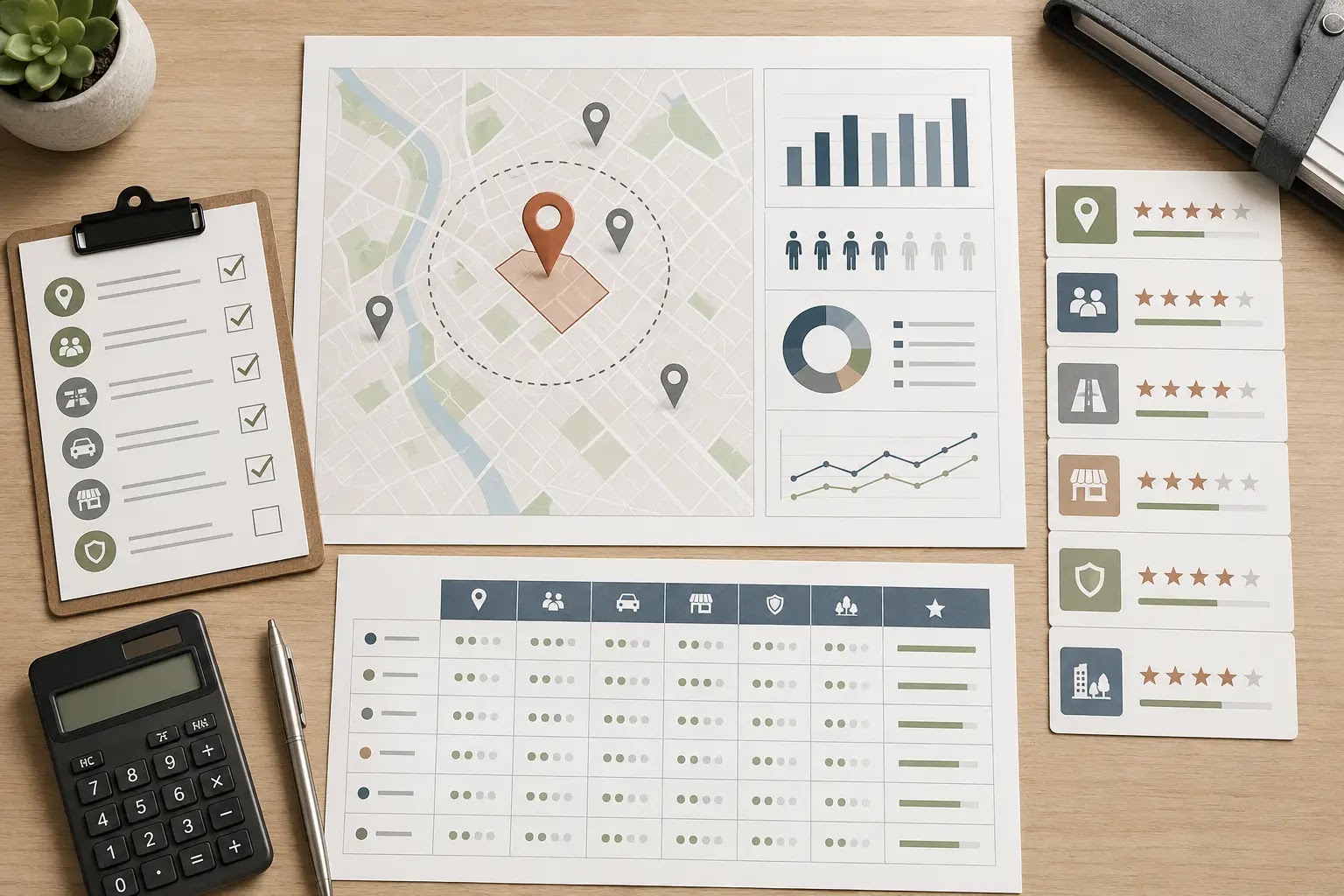
What should vending machine owners document before they forecast leads and location sales?
For a U.S. vending machine launch, acquisition, or route expansion, the lead funnel should be treated as a location-sales system: find the right sites, reach the right decision-maker, document the terms, and translate those wins into route and inventory assumptions. The goal is not just more inquiries; it is better-quality placements that support machine utilization, service efficiency, and working capital planning.
Which funnel inputs belong in the planning model?
| Planning area | Question to answer | Input to collect | Model impact | Verification source |
|---|---|---|---|---|
| Target location profile | Which site types are worth pursuing first? | Site type, estimated foot traffic pattern, access hours, employee count or visitor mix, and on-site vending need | Affects lead list quality, expected placement rate, and route density | Site visit notes, public listing, landlord or manager conversation |
| Decision-maker path | Who can approve placement or contract terms? | Property manager, facility manager, owner, HR contact, or tenant contact; best contact method | Affects sales cycle length and follow-up workload | Outreach call log, email reply chain, building directory, referral source |
| Lead source mix | Where will qualified leads come from? | Cold outreach, referrals, local networking, existing customer requests, online form leads, broker introductions | Affects marketing spend, labor allocation, and conversion assumptions | CRM notes, source tags, campaign log, referral tracking |
| Placement offer | What terms make the site move forward? | Placement model, commission or revenue share expectations, service frequency, equipment responsibility, contract length | Affects gross margin, operating flexibility, and cash needs | Draft agreement, vendor terms, site owner conversations, competitor quotes |
| Operational fit | Can the route support the location profitably? | Travel distance, route clustering, refill cadence, product mix, machine maintenance needs, software or tracking setup | Affects labor, fuel, inventory turns, repairs, and service time | Route map, restock logs, equipment list, service records |
| Retention and expansion signal | What tells you a site can grow into a better account? | Reorder behavior, machine uptime, complaint frequency, add-machine potential, seasonal demand changes | Affects expansion assumptions and replacement timing | Sales records, customer feedback, service tickets, site review notes |
How should a founder turn research into documented assumptions?
- Build a target list by site type, geography, and route fit so outreach is focused on locations you can actually service.
- Tag each lead by source so you can compare cold outreach, referrals, and local relationship channels instead of mixing them together.
- Record the decision-maker, approval path, and response timing for every serious prospect.
- Document the site’s vending need, current setup, and any replacement problem that creates urgency.
- Capture the commercial terms being discussed, including commission structure, service expectations, and equipment responsibilities.
- Estimate the operational burden of each win: drive time, restock cadence, inventory mix, and repair exposure.
- Separate qualified leads, active negotiations, and signed placements so the funnel can be used as a forecast input rather than a loose contact list.
- Archive notes and documents in a format that can support a business plan, lender discussion, or pitch deck without rework.
What should the checklist cover before the next forecast draft?
- Defined target site types and excluded low-fit locations
- Tracked each lead by source and owner
- Logged the decision-maker and approval path
- Captured service expectations and placement terms
- Mapped route impact, mileage, and restock frequency
- Noted machine, inventory, repair, and software inputs tied to each location
- Separated documented assumptions from early guesswork
The next section uses these documented assumptions to test revenue, cost, and risk tradeoffs in the financial model, including route density, inventory needs, repairs, and working capital pressure.
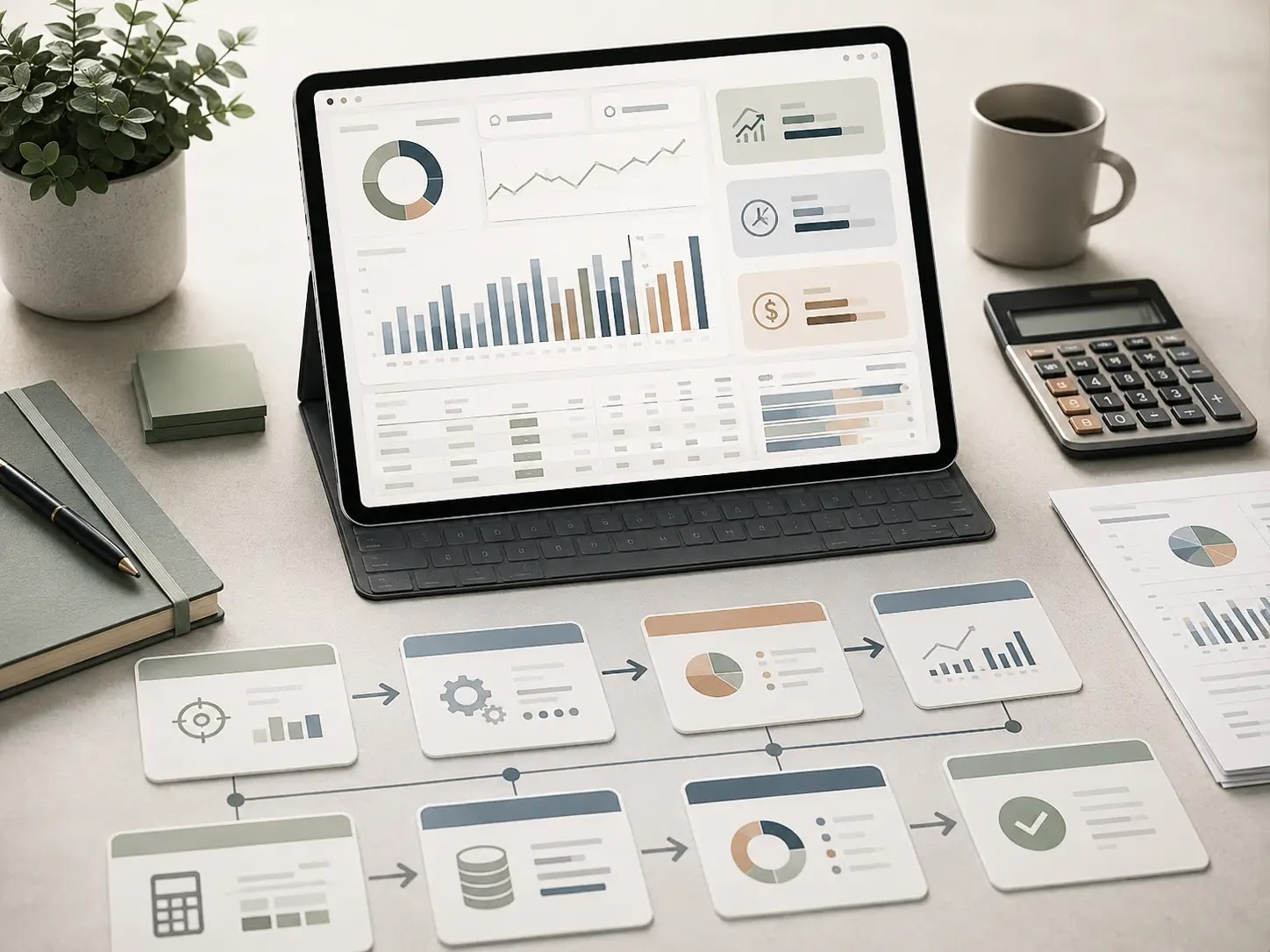
What tradeoffs and risks should shape the vending machine lead funnel plan?
For a vending machine owner, the lead funnel is not just “getting more accounts.” It is a sequence of assumptions about who can approve placement, how hard it is to close each location, and how much time, travel, and follow-up it takes to turn a prospect into a profitable stop. A location that looks easy to win may still underperform if it needs heavy commission, creates long route mileage, or requires frequent service calls that raise labor and refill costs.
The main planning question is whether the funnel produces good locations at an acceptable acquisition cost. That means comparing lead sources, sales effort, and route efficiency against the expected machine revenue, stocking frequency, repair exposure, and account terms. A slower funnel can still work if the locations are stronger and cluster well; a fast funnel can still fail if the accounts are too thin, too scattered, or too expensive to service.
Document the assumptions behind each path before you commit to outreach, leases, or machine purchases. In practice, the tradeoff is usually between spending more time on qualified prospecting now or accepting weaker locations that may increase churn, commissions, and operating complexity later.
Common planning risks and what they change
| Risk | Why it matters in vending | Assumption affected | How to verify |
|---|---|---|---|
| Low-quality location leads | Prospects may not have enough traffic or the right buyer profile to support machine sales. | Expected revenue per placement | Review site type, foot traffic pattern, and decision-maker notes from initial calls. |
| Slow approval cycle | Office managers, property managers, or owners may need multiple approvals before installation. | Sales cycle length and cash timing | Track who approves, typical follow-up steps, and how long each prospect stays in pipeline. |
| High commissions or revenue share | Location terms can reduce margin and change route economics. | Net contribution per machine | Request written vendor terms and compare them across locations before finalizing the deal. |
| Scattered geography | Long drives raise fuel, labor, and service time, especially when machines are spread out. | Route mileage and servicing cost | Map each prospect and group accounts by area before adding them to the forecast. |
| Higher repair or stocking frequency | Some machines or locations need more maintenance, restocking, or coin/bill handling than expected. | Labor hours, spare parts, and working capital | Use service logs, vendor guidance, and local operating history where available. |
These risks are most useful when they are treated as forecast inputs rather than after-the-fact surprises. If a location requires a stronger commission, longer outreach, or a more frequent service schedule, it should be modeled as a different scenario—not as the same account type with better optimism. That discipline helps founders and buyers avoid overbuilding a route that looks good in a pitch deck but is harder to operate in the field.
With the main risks, tradeoffs, and verification points documented, the final action checklist can turn them into a launch-ready sequence for outreach, routing, and forecast inputs.
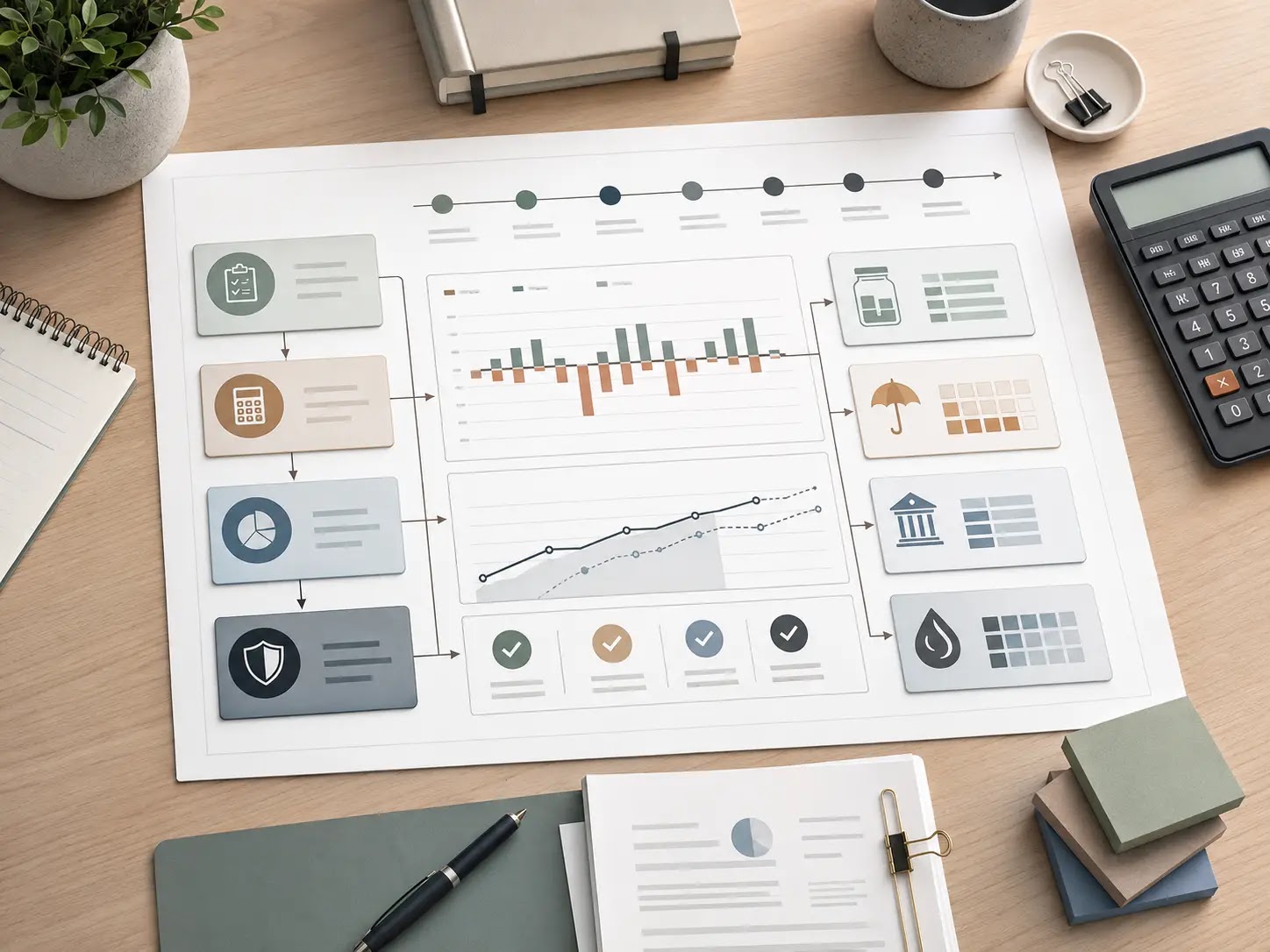
What should you do next?
For vending machine lead funnel planning, the practical next step is to turn interest into a location pipeline you can actually service. That means checking whether your outreach can produce enough qualified site conversations, placements, and repeat stops to support your route, inventory, repair load, and working capital.
The decision path is straightforward: confirm the locations you can realistically win, estimate how many leads it takes to land them, test the cost of servicing them, and compare that against your expected margin after inventory, commissions, software, mileage, and maintenance.
Readiness scorecard
| Planning check | What to confirm | Why it matters |
|---|---|---|
| Target locations | A short list of sites that fit your machine mix and service radius | Prevents chasing leads that do not fit the route |
| Lead sources | How you will generate outreach from calls, emails, referrals, visits, or local partners | Shows whether the funnel is repeatable |
| Conversion assumptions | Your expected path from contact to meeting to placement | Drives forecast realism |
| Service economics | Route mileage, restock labor, repair risk, and software or payment costs | Determines whether the placement is worth pursuing |
| Working capital | Inventory, setup, travel, and repair cash needs before cash flow stabilizes | Reduces launch and acquisition stress |
Next-step checklist
- Build a target list of locations by traffic type, owner type, and route fit.
- Document your outreach channels and who will manage follow-up.
- Estimate how many leads, meetings, and site visits you need to secure each placement.
- Map each likely account to inventory needs, mileage, labor, repairs, and payment or software costs.
- Run at least two scenarios: a conservative start and a base case.
- Verify local commissions, lease terms, vendor pricing, and any market-specific requirements with current sources.
- Translate the results into a monthly forecast and launch budget before committing capital.
If you want to make the plan easier to share with partners, lenders, landlords, or advisors, a business plan, financial model, pitch deck, checklist, and startup toolkit can help organize assumptions, compare scenarios, and document the decision path.
Final takeaway: a strong vending lead funnel is not just about getting more names; it is about getting the right locations, at a service level your route can support, with assumptions you can defend in a forecast.


