
Vending Machine Inventory, Supplies, and Waste Control
A practical U.S. planning guide for vending machine inventory, supplies, and waste control, built for founders, buyers, and operators comparing assumptions before committing capital.


What does vending machine inventory, supplies, and waste control really require?
For a U.S. vending machine operator, inventory and waste control is the practical decision about what to stock, how often to restock, how much spoilage to carry, and how to keep route time from eroding margin. The right answer depends on machine mix, location traffic, product durability, supplier terms, and how far your route has to travel.
If you are starting, buying, or funding a vending business, this is not just an operations question. It affects working capital, labor planning, equipment selection, service schedules, and the assumptions that belong in your business plan or pitch deck.
Before you lock in machines or a route, separate what you can model from what must be verified in your local market. That keeps the plan grounded and helps you avoid overbuying product, underestimating waste, or stretching service capacity too thin.
| What the reader is deciding | What must be verified locally |
|---|---|
| How often each machine should be serviced and restocked | Location traffic, sales mix, route mileage, and whether the site allows convenient access |
| Which products belong in the machine | Local demand patterns, shelf life, temperature sensitivity, and supplier availability |
| How much spoilage, shrink, and damaged product to expect | Replacement lead times, handling conditions, machine reliability, and vendor return terms |
| How much working capital to reserve | Initial inventory needs, spare parts, refill supplies, commission structure, and payment timing |
- Lease/buildout: space access, storage, loading, and any site-specific constraints
- Equipment: machine type, age, condition, parts availability, and repair exposure
- Labor: route coverage, restock cadence, and whether owner-operator labor is realistic
- Menu economics: product cost, waste risk, and whether the mix supports the target margin
- Permits: local requirements that may affect placement or product handling
- Working capital: cash needed for inventory, supplies, commissions, and early repairs
- Funding readiness: documented assumptions, route plan, and proof that the model is supportable
Next, the practical framework breaks these inputs into a usable operating plan so you can compare routes, stocking patterns, and cost assumptions before making a commitment.
How should you structure inventory, supplies, and waste control planning?
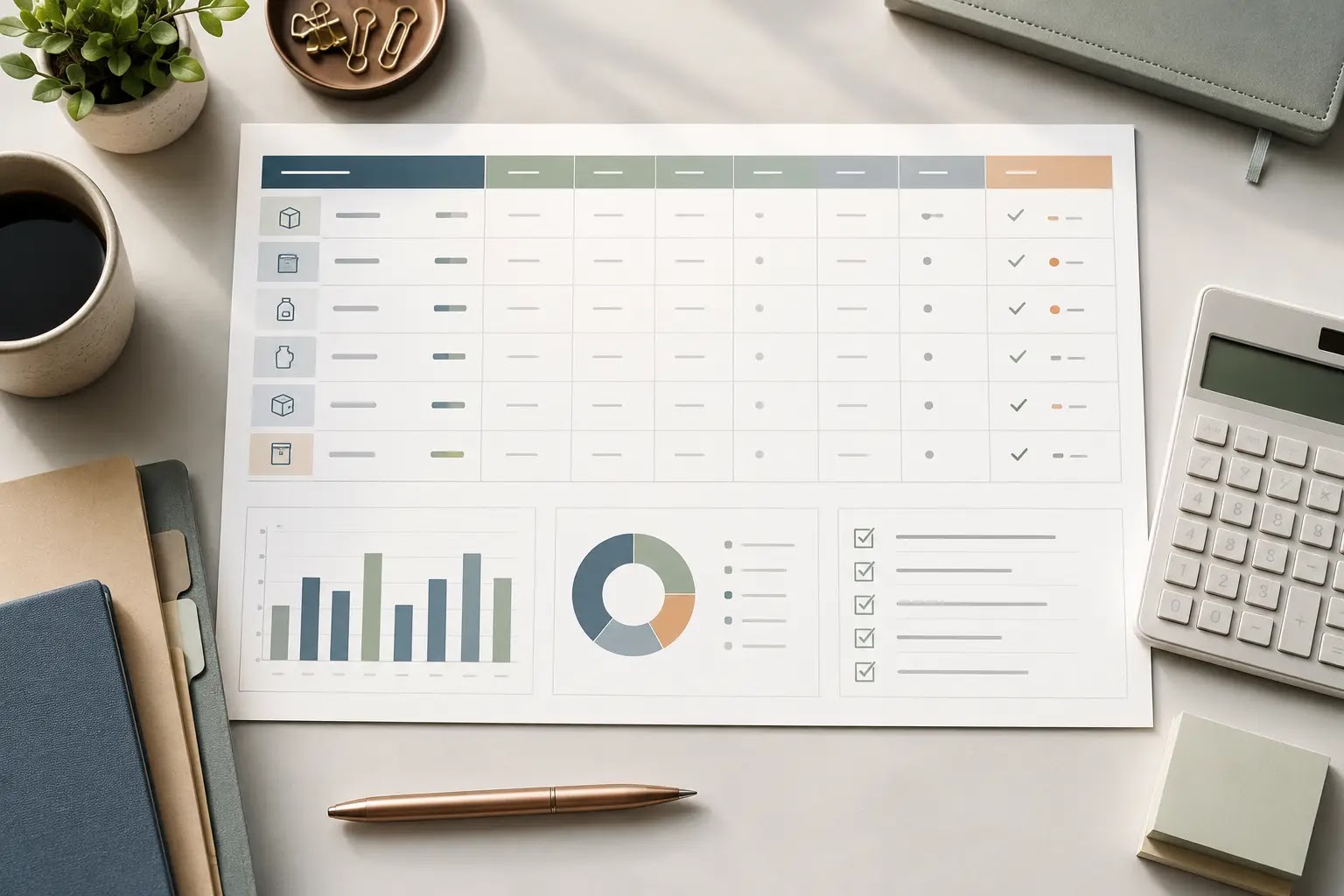
For a vending route, inventory planning is not just “what to stock.” It is the system that connects machine capacity, product mix, refill cadence, spoilage, supplier lead times, and route mileage to documented operating assumptions. That is what lets a founder compare locations, size working capital, and decide whether a route is manageable before launch.
What operating inputs need to be documented first?
| Planning area | Question to answer | Input to collect | Model impact | Verification source |
|---|---|---|---|---|
| SKU mix | Which products will each machine carry? | Product list by machine type, package size, and slot allocation | Drives sales mix, replenishment frequency, and spoilage exposure | Machine planogram, location demand notes, pilot sales data |
| Restock cadence | How often does each stop need service? | Estimated sell-through rate, machine capacity, and site traffic pattern | Affects labor scheduling, route density, and overtime risk | Route test logs, telemetry, on-site counts, manager feedback |
| Spoilage and waste | What product is likely to expire, damage, or go unsold? | Perishable categories, expiration dates, packaging damage rate, returnability | Impacts shrink, disposal needs, and gross margin assumption | Supplier terms, product labels, waste log, prior sales history |
| Supplier terms | What does it take to keep inventory flowing? | Lead times, minimum order quantities, case packs, returns policy, freight terms | Determines order size, reorder timing, and cash tied up in stock | Current vendor quotes and written terms |
| Storage and staging | Where will backup stock and supplies sit? | Backroom space, shelving, temperature needs, receiving process | Limits how much inventory can be held without waste or damage | Site visit, warehouse or home-storage plan, lease or access agreement |
| Route mileage | How costly is each refill day? | Stop count, drive distance, travel time, fuel and vehicle use assumptions | Influences labor hours, delivery cost, and route profitability | Mapped route plan, odometer logs, dispatch notes |
| Commissions and access fees | What does each location require before product can be sold? | Revenue share, flat fee, service requirement, or site-specific charge | Changes net sales and the margin available for restocking labor | Signed location agreement or written manager confirmation |
| Repairs and consumables | What supplies are needed to keep machines operating? | Replacement parts, cleaning materials, coin and bill handling supplies, labels | Feeds maintenance budget and stock-on-hand for service calls | Maintenance history, technician recommendations, supplier pricing |
| Tracking and reporting | How will you know what sold, what was wasted, and what needs reorder? | Manual log template or vending software fields for sales, inventory, waste, and service notes | Improves forecast accuracy and reduces reordering guesswork | Software demo, sample route sheet, reporting template |
How should a founder move from research to documented assumptions?
- Map every machine and location. Note machine type, capacity, access hours, storage constraints, and whether the site supports frequent service or longer refill intervals.
- Assign a starting product mix. Group items by category, slot count, package size, and likely turn rate so each machine has a practical planogram instead of a generic stock list.
- Estimate restock frequency from actual sell-through. Use test counts, telemetry, or operator interviews to estimate how quickly each product class moves and where stockouts are most likely.
- Separate spoilage from shrink. Track expired or damaged product differently from missing product so waste control and loss control do not get mixed together in the model.
- Document supplier constraints. Record lead times, minimum order quantities, case-pack rules, and return limits because those terms affect how much inventory you must hold.
- Build route and labor assumptions. Translate restock cadence into drive time, service time, and labor hours so the operating plan reflects the real effort required to keep machines full.
- Set reorder triggers and review dates. Define when a SKU is reordered, when a slow mover is removed, and how often the plan is reviewed against actual sales and waste logs.
- Keep the source trail. Save the vendor quote, location note, route sheet, and sales log that support each assumption so the numbers can be defended later in a pitch deck or lender discussion.
What should be treated as a working assumption, not a fixed fact?
- Product mix will vary by location, traffic pattern, and machine capacity.
- Waste rates depend on package type, shelf life, and how often the route is serviced.
- Supplier terms can change with order size, freight, and account status.
- Route mileage and labor time should be tested against real driving and service logs.
- Repair and consumable needs should be based on machine condition and maintenance history.
Once these operating assumptions are documented, Block 3 can translate them into margin pressure, working capital needs, and downside tradeoffs for the financial model and risk review.
What assumptions and risks change vending inventory, supplies, and waste control?
For a vending route, inventory control is not just about keeping machines full. It affects cash tied up in stock, how often you drive, how many service stops you need, and how much product you lose to spoilage, damage, or slow-moving items. The right plan depends on your machine mix, product shelf life, route density, and whether you are buying from wholesalers, local distributors, or manufacturer-direct vendors.
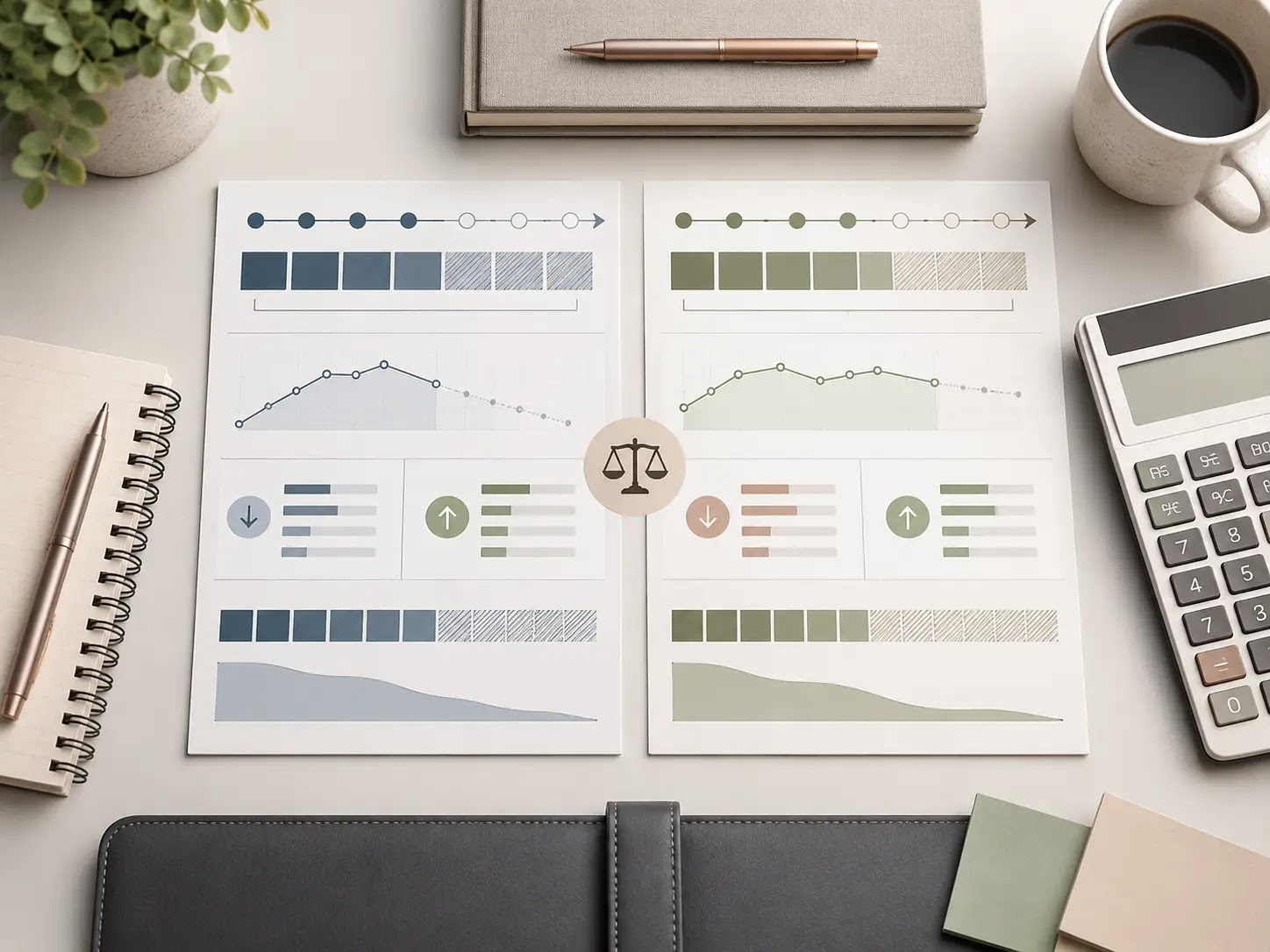
The biggest planning tradeoff is usually between availability and waste. Higher par levels can reduce stockouts, but they also raise carrying costs and the chance that product sits too long. Lower par levels protect cash, but they can increase emergency restocking, missed sales, and customer dissatisfaction. That tradeoff should be documented in your assumptions before you build staffing, route scheduling, or working-capital needs.
High-turn machines
Fast movers improve turnover, but only if reorder timing, storage space, and route cadence keep pace with demand.
Mixed product mix
When beverages, snacks, and specialty items share a route, inventory complexity rises and waste control becomes more fragile.
Long travel routes
More miles can increase missed restocks, labor time, fuel use, and the chance that a machine runs out before the next visit.
| Planning risk | Why it matters | Assumption affected | How to verify |
|---|---|---|---|
| Product sell-through varies by location | Changes how often you restock and which SKUs deserve space | Reorder point, par level, SKU mix | Compare location-by-location sales reports and service notes |
| Short shelf life or temperature sensitivity | Raises waste risk if turns are slower than expected | Waste allowance, inventory holding period | Review vendor specs, storage requirements, and past spoilage patterns |
| Vendor minimums or case-pack requirements | Can force larger buys than the route can absorb quickly | Working capital, storage capacity | Confirm order terms directly with suppliers and distributors |
| Long service intervals between stops | Increases the chance of empty slots and emergency visits | Route mileage, labor scheduling, stock buffers | Map the route and compare visit frequency to demand patterns |
| Machine jams or packaging issues | Creates waste, service time, and customer friction | Maintenance reserve, product suitability | Track fault reports and test package types before scaling orders |
Once these risks are documented, the final action checklist can turn them into route-level controls, reorder rules, and reporting tasks that support launch readiness.
What should you lock in before you buy or launch?
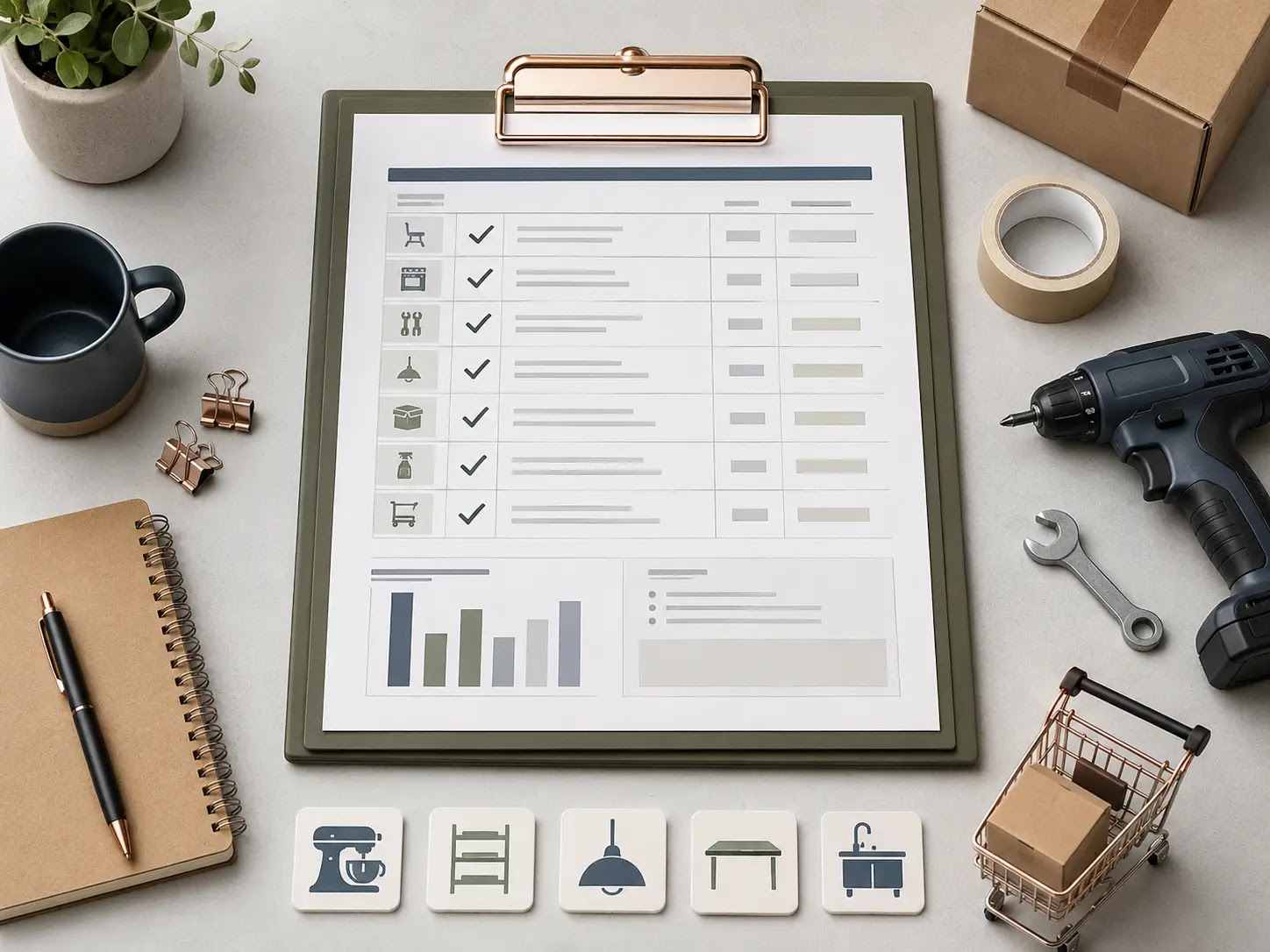
For a U.S. vending machine business, inventory, supplies, and waste control come down to a few linked decisions: what sells, how often you refill, how much stock you hold, how much gets lost to spoilage or damage, and whether the route still works after labor, mileage, commissions, and machine downtime are included.
The practical takeaway: build your restocking plan around verified location data, then stress-test it against supplier terms, route time, and cash tied up in inventory. If those inputs are unclear, your operating plan is not ready yet.
| Decision check | What to confirm | Ready? |
|---|---|---|
| Product mix | Which SKUs move fastest at each location | Yes / No |
| Reorder rules | Par levels, refill triggers, and backup stock | Yes / No |
| Waste tracking | Spoilage, damage, theft, and write-off logging | Yes / No |
| Supplier terms | Lead times, minimum orders, returns, and substitutions | Yes / No |
| Route economics | Mileage, labor time, and refill frequency by stop | Yes / No |
| Cash buffer | Working capital for stock, repairs, and uneven sales | Yes / No |
Next planning steps
- Confirm the top-selling items and package sizes for each machine or location.
- Set a simple restock log for sales, waste, stockouts, and damaged product.
- Review supplier lead times, case sizes, and minimum order requirements.
- Map the route so refill timing, mileage, and labor do not erase margin.
- Check whether commissions, machine fees, or location terms change the refill plan.
- Build a monthly reporting routine for inventory usage, shrink, and cash tied up in stock.
Bottom line: the best vending inventory system is the one you can verify, repeat, and afford to run route by route, with waste and stockouts tracked before they become profit leaks.


