
Vending Machine Insurance Budget for Startup Forecasts
A practical U.S. planning guide for vending machine insurance budget for startup forecasts, built for founders, buyers, and operators comparing assumptions before committing capital.


How should you budget vending machine insurance in a startup forecast?
If you are buying, launching, or expanding a vending machine business, the insurance line in your forecast should be treated as part of your operating risk, not just a premium expense. It can affect startup cash needs, contract approval, lender or investor readiness, and the amount of cushion you need for repairs, claims, and route interruptions.
The practical question is not only “what policy do I need?” but also “what will local landlords, account holders, insurers, and vehicle or equipment vendors require before I can operate?” Those requirements vary by market and by contract, so the forecast should leave room for verification before you lock assumptions into a pitch deck or financial model.
| What the reader is deciding | What must be verified locally |
|---|---|
| How much insurance to include in startup and monthly forecasts | Carrier quotes, policy limits, deductibles, and any certificate requirements from locations or landlords |
| Whether insurance is part of launch readiness or just an overhead line | Contract terms, equipment coverage needs, vehicle exposure, and whether employees or contractors change the policy mix |
| How much working capital to reserve for risk control | Local replacement costs, route mileage, theft or damage exposure, and vendor payment timing |
For forecasting, the insurance budget usually belongs in the same planning bucket as equipment, inventory, route mileage, repairs, commissions, and working capital. The key is to model the budget around real operating conditions, because a single machine on a stable route has a different risk profile than a multi-stop operation with vehicles, seasonal inventory swings, and account-based placements.
- Lease or location agreement exposure
- Equipment and machine replacement risk
- Labor and route staffing assumptions
- Menu and inventory mix economics
- Permit, license, and contract requirements
- Working capital reserve for claims or downtime
- Funding readiness and lender or investor documentation
With those assumptions identified, the next step is to turn them into a practical planning framework that separates fixed requirements from market-specific variables.
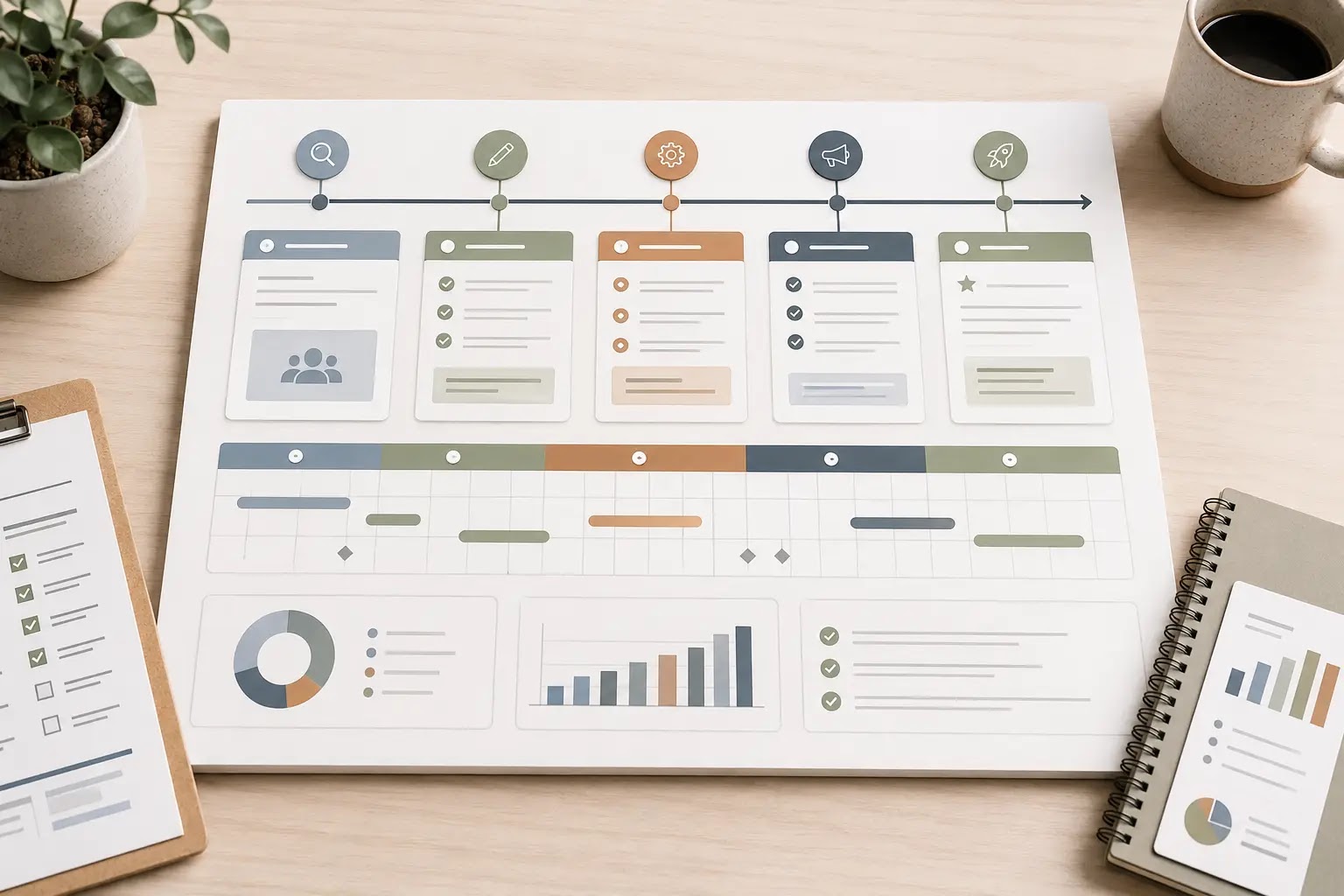
What should a vending machine founder map before budgeting licenses and insurance?
For a U.S. vending machine startup or acquisition, the practical task is not just “get insured.” It is to identify which licenses, permits, certificates, endorsements, and site-level requirements apply to each route, then translate those obligations into startup cash needs and ongoing operating costs.
Which planning inputs change the budget most?
| Planning area | Question to answer | Input to collect | Model impact | Verification source |
|---|---|---|---|---|
| Business registration | What entity and registrations are needed before operating? | Entity status, local business tax registration, state tax account details | One-time filing cost, setup timing, and readiness for contracts or bank onboarding | Secretary of state, city/county business office, state tax agency |
| Sales tax / seller registration | How will taxable sales be collected and remitted? | Tax registration status, filing frequency, taxable product list | Working capital reserve and back-office admin cost | State tax agency, CPA, sales tax guidance for the operating state |
| Local permits / site permissions | Does the location require a permit, approval, or site agreement? | Landlord or property owner terms, location fee, permit filing needs, renewal dates | Startup cash, recurring site costs, and go-live timing | Property owner, landlord, city or county office, route operator agreements |
| General liability coverage | What coverage level is required by the site or needed for risk control? | Quote, limits, deductible, certificate requirements, additional insured wording | Monthly or annual insurance expense and contract readiness | Insurance broker, carrier, site contract, landlord certificate request |
| Product / premises exposure | Does the product mix create food, spoilage, or customer injury exposure? | Machine product types, refrigerated items, restocking cadence, cleaning procedures | Coverage needs, claim reserve logic, and vendor requirements | Insurer, equipment vendor, food safety guidance if applicable, site rules |
| Commercial auto / route vehicle | Will a vehicle be used for service, stocking, or pickup? | Vehicle ownership, mileage pattern, driver list, garaging address | Route cost, insurance premium line item, and fuel / maintenance assumptions | Auto insurer, fleet agent, vehicle records |
| Inland marine / equipment coverage | How will machines and moveable assets be protected off-site and in transit? | Machine count, replacement values, serial numbers, theft history, relocation plan | Asset protection cost and replacement reserve | Equipment invoices, insurer, asset register, financing documents |
| Workers’ compensation / payroll-related coverage | Will hiring trigger payroll insurance or state coverage duties? | Headcount plan, role mix, payroll estimate, contractor versus employee structure | Labor burden and compliance cost | Payroll provider, insurance broker, state workforce agency |
| Cashless / software / cyber exposure | Does payment tech or remote telemetry create data or vendor risk? | Payment processor terms, software subscriptions, device support obligations | Recurring tech cost and possible insurance / contract requirements | Processor agreement, software vendor, insurer |
How should the founder turn research into documented assumptions?
- List every intended machine type and location type so you can separate city, county, state, and site-level requirements.
- Ask each location owner what documents they require before placement, including insurance certificates, endorsements, or signed location agreements.
- Confirm whether the operating state or municipality expects business registration, sales tax setup, or other local filings before first sale.
- Request insurance quotes using the actual route plan: machine count, product mix, vehicle use, storage site, and whether cashless systems are used.
- Capture the policy details that affect cash flow: limits, deductibles, exclusions, renewal timing, and any evidence-of-insurance requirements.
- Separate one-time startup items from recurring operating items, then tag each line as fixed, variable, or contingent on the site contract.
- Record the verification source for each assumption so the forecast can be updated when a landlord, insurer, or agency changes terms.
- Set a review date before launch and at renewal so compliance and insurance costs do not drift out of the forecast.
Once these assumptions are documented, the next step is to test how coverage choices, site terms, and permit timing affect startup cash needs, monthly operating expense, and risk exposure in Block 3.
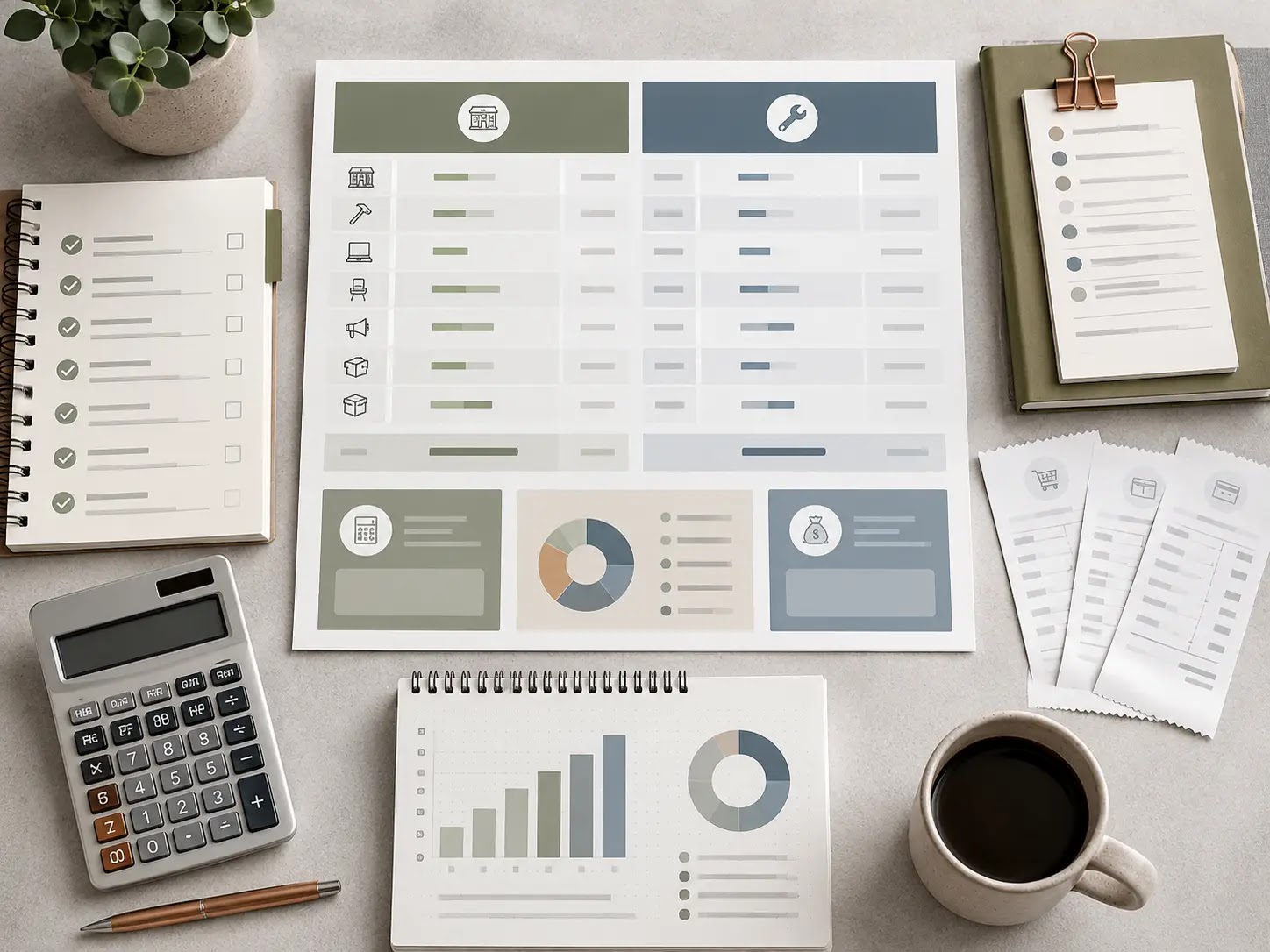
What planning risks can move a vending machine insurance budget?
For a U.S. vending machine startup or route purchase, the insurance line in your forecast is not just a fixed overhead item. It can shift with machine placement, site type, product mix, theft exposure, route mileage, equipment age, service frequency, and the terms your landlord, host location, or lender expects. That means the budget should be built as an assumption set, not a single number.
The practical tradeoff is simple: lower coverage and looser controls may reduce near-term cash outlay, but they can weaken lender readiness, lease negotiations, and loss protection. Higher coverage or stricter vendor terms may increase startup working capital needs, yet it can make the operation easier to explain in a pitch deck, loan package, or acquisition model.
Use the forecast to test whether your current site plan, route density, and operating controls are compatible with the insurance profile you are assuming. If your machines will be in schools, offices, apartment buildings, gyms, or other higher-traffic locations, the risk profile and documentation needs may differ, so the budget should leave room for verification and revisions before you finalize launch assumptions.
Scenario 1: Lower-risk placements
Route assumptions may be more stable if machines are in controlled locations with clear access, predictable service windows, and lower vandalism exposure.
Forecast impact: insurance and shrink assumptions may be easier to model, but site agreements and landlord requirements still need checking.
Scenario 2: Mixed location portfolio
A route that combines offices, multi-tenant buildings, and higher-foot-traffic stops often needs more careful loss and service planning.
Forecast impact: budget assumptions should account for different vendor terms, different site rules, and uneven maintenance or inventory exposure.
Scenario 3: Higher-risk or higher-value assets
New equipment, more expensive snack or beverage inventory, and longer service gaps can increase the sensitivity of your forecast to claims, spoilage, or theft.
Forecast impact: working capital, replacement planning, and reserve assumptions should be reviewed before you rely on the forecast for funding or purchase decisions.
| Planning risk | Why it matters in vending | Assumption affected | How to verify |
|---|---|---|---|
| Site-specific insurance expectations | Hosts, landlords, or lenders may require different coverage or wording before a machine can operate. | Startup insurance budget, deposit timing, and launch readiness | Request current requirements from the site contact, landlord, broker, or lender |
| Theft, vandalism, or damage exposure | Machines placed in less-controlled locations can create loss and repair variability. | Reserve for repairs, replacement timing, and cash cushion | Review site history, neighborhood context, and insurer guidance |
| Route density and mileage | Spread-out stops can increase service time, fuel cost, and wear on vehicles and equipment. | Operating expenses and working capital needs | Map the route and compare mileage, access, and service frequency |
| Inventory spoilage or slow turns | Product mix affects shrink, expiration risk, and cash tied up in stock. | Inventory budget and replenishment cadence | Validate product turnover assumptions with similar locations or test runs |
| Machine age and maintenance burden | Older units may increase repair frequency and disrupt revenue if downtime rises. | Repairs, spare parts, and contingency reserves | Inspect equipment records, service logs, and condition before acquisition |
| Vendor and contract terms | Supplier pricing, minimums, delivery windows, and fees can shift the economics quickly. | Gross margin, replenishment cost, and cash flow timing | Collect current written terms from distributors and service vendors |
Before you move to the final action checklist, tighten the assumptions that affect cash flow most: site coverage requirements, asset protection, route efficiency, inventory loss, and repair reserves. Those inputs determine whether your insurance budget is simply compliant on paper or actually useful in a lender review, acquisition offer, or launch plan.
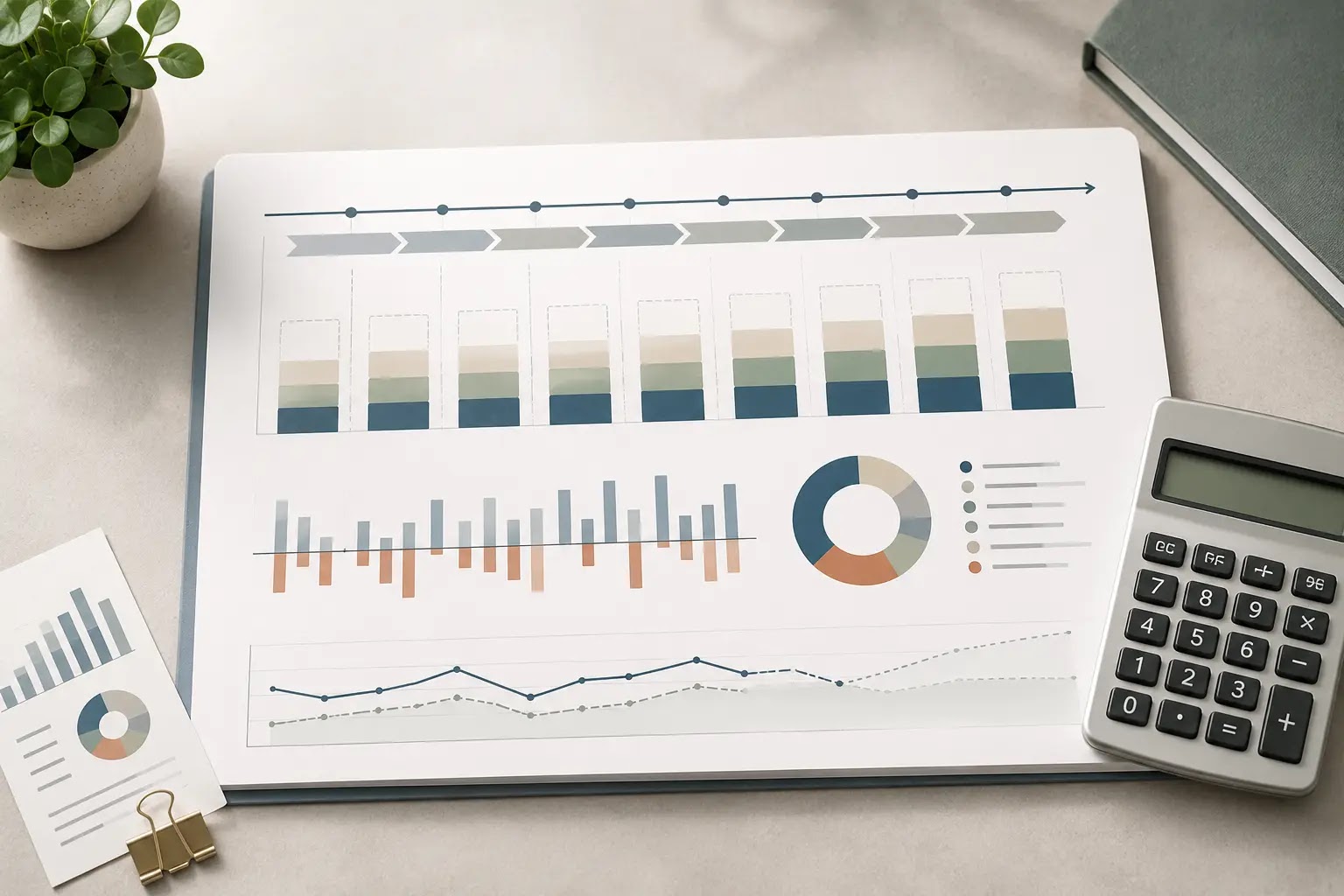
What should you do next before you lock the insurance budget?
The practical decision path is simple: verify the local operating rules, map the insurance budget to the actual vending route, and test that budget against repairs, inventory exposure, commissions, mileage, and working capital. For a U.S. vending machine founder or buyer, the right forecast is the one that matches the machines you will place, the locations you can secure, and the risks your contracts create.
In other words, do not treat insurance as a standalone line item. Build it into the full startup forecast so the plan reflects cash needs, vendor terms, and the cost of keeping machines operating.
| Check | What “ready” looks like | Why it matters |
|---|---|---|
| Route scope | You know how many machines you are opening with and where they will be placed. | Coverage and budget needs depend on the route, not a generic estimate. |
| Location terms | You have reviewed landlord or site contract requirements that affect risk and proof of insurance. | Contract terms can change coverage needs and timing. |
| Inventory exposure | You can estimate the value and turnover of stocked goods and cash handling exposure. | Inventory and cash risks affect loss planning and reserve sizing. |
| Operating costs | You have included mileage, repairs, software, commissions, and routine replenishment in the model. | Insurance should sit alongside the rest of the route economics. |
| Cash reserve | You have a working capital cushion for deductibles, claim delays, and early operating issues. | Forecasts are fragile if the budget assumes perfect operations. |
Next planning steps
- Collect current insurance quotes from carriers or brokers that understand vending or small route-based operations.
- Confirm what each location contract requires for coverage, naming, and proof of insurance.
- Update the startup forecast with machine count, route mileage, inventory, commissions, software, repairs, and reserve assumptions.
- Compare a base case and a cautious case so you can see how insurance and loss assumptions affect cash flow.
- Keep written notes on every assumption that depends on a local market, vendor term, or lease condition.
If you are preparing a lender packet, partner discussion, or acquisition review, a business plan, financial model, pitch deck, checklist, and startup toolkit can help organize the assumptions, compare scenarios, and document the plan in one place.
Final takeaway: for a vending machine startup or purchase, the insurance budget should be built from real route details and verified local requirements, then tested against your forecast before you commit to machines, locations, or financing.


