
Vending Machine Community Outreach Plan
A practical U.S. planning guide for vending machine community outreach plan, built for founders, buyers, and operators comparing assumptions before committing capital.


How should a vending machine community outreach plan shape your launch decision?
If you are buying or launching a vending machine route, community outreach is not just “marketing.” It is part of your location sales plan, because local outreach affects which sites you can win, how quickly machines get placed, and how realistic your revenue assumptions are for the first few months.
The practical question is whether your outreach plan can support enough qualified locations, repeat foot traffic, and operator relationships to justify the machine count, inventory, route mileage, repairs, commissions, software, and working capital you will need. For a U.S. vending business, those inputs vary by market and should be verified before you build a forecast.
A strong plan helps you decide whether to pursue a startup, acquisition, or expansion with a clear view of the local demand signals you still need to confirm.
| What the reader is deciding | Whether local outreach can realistically support machine placement, customer traffic, and route economics. |
|---|---|
| What must be verified locally | Site access, location owner terms, foot traffic patterns, commissions, route distance, repair response times, and inventory sourcing details. |
- Lease/buildout: whether the site setup, power access, and placement terms fit the machine plan.
- Equipment: machine type, condition, payment hardware, and expected maintenance burden.
- Labor: stocking time, service frequency, and any help needed for routes or repairs.
- Menu economics: product mix, pricing logic, spoilage risk, and category performance by location type.
- Permits and approvals: local requirements that may affect placement or operations.
- Working capital: cash needed for inventory, fuel, service calls, and early-stage slow ramp.
- Funding readiness: whether the outreach plan gives lenders or partners enough structure to review assumptions.
Next, the practical framework shows which local inputs to gather first so your outreach plan can support a cleaner operating and sales forecast.
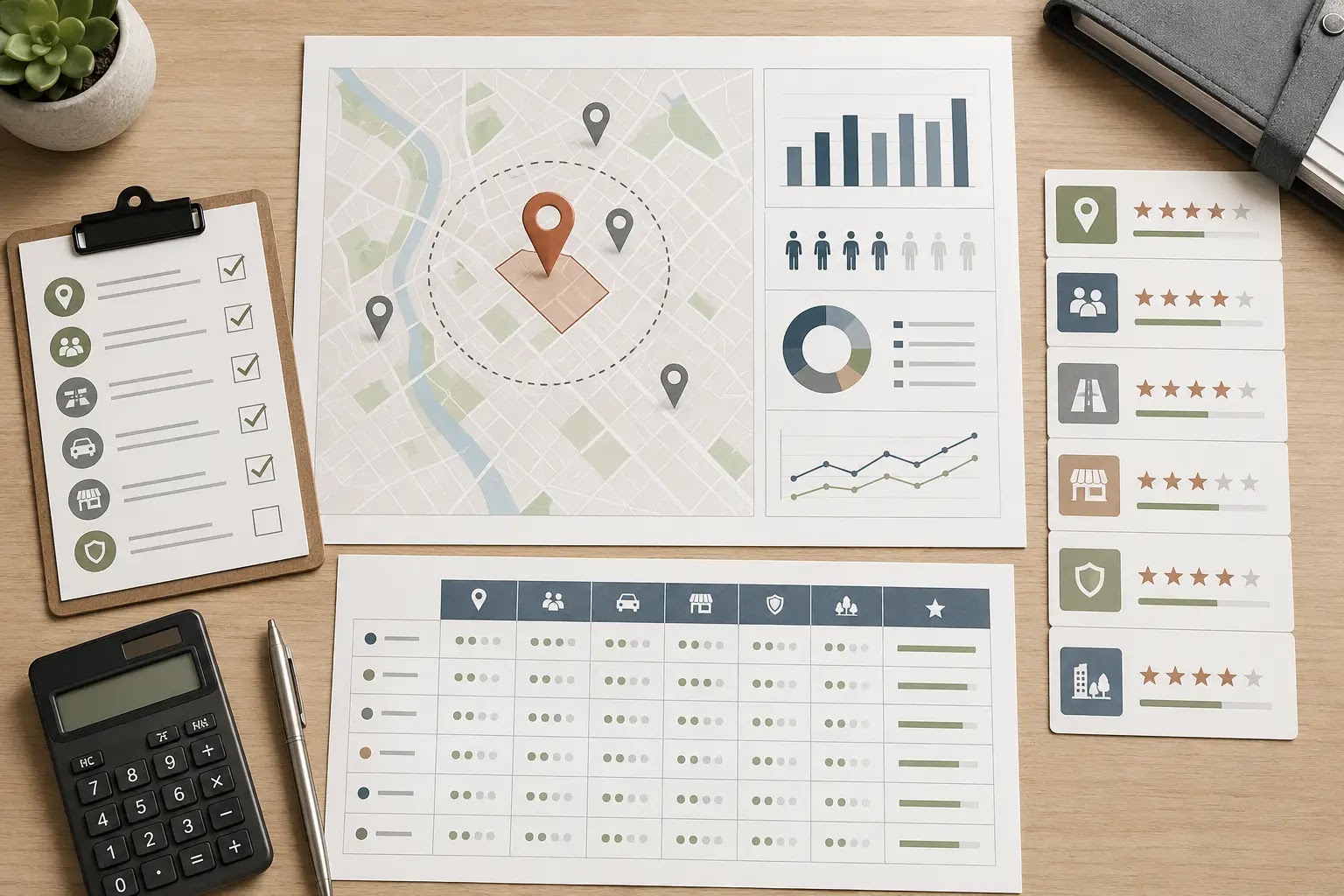
How should a vending machine community outreach plan turn local interest into usable route and sales assumptions?
For a U.S. vending machine founder or buyer, the practical goal is not just “getting names.” It is building a documented outreach process that shows which locations can be won, what terms may come with them, and how those terms affect machine count, inventory movement, service time, and working capital.
Which outreach inputs matter most before you commit to a location?
| Planning area | Question to answer | Input to collect | Model impact | Verification source |
|---|---|---|---|---|
| Target account type | Which community settings are most likely to accept a machine and use it consistently? | Property type, foot traffic pattern, hours of access, and whether the site is captive or open to the public | Affects expected sales mix, visit frequency, and machine placement priority | Site visit, owner interview, and on-site observation |
| Decision maker | Who actually approves the placement and who handles follow-up? | Name, role, contact method, and decision timeline | Affects outreach cycle length and probability of closing | Property manager, facilities staff, HOA board, office admin, or venue contact |
| Community value proposition | Why would this site want a vending machine on the premises? | Convenience need, employee or visitor demand, amenity gap, and preferred product categories | Shapes product assortment, service promise, and placement message | Interviews, short surveys, and direct observation |
| Placement terms | What tradeoff is likely required to secure the location? | Commission expectations, restocking obligations, service responsibilities, and any exclusivity language | Changes gross margin, route time, and break-even assumptions | Draft agreement, landlord discussion, or written location term sheet |
| Route fit | Can the site be serviced efficiently with nearby stops? | Drive time, access hours, parking/loading constraints, and compatible route cluster | Affects labor time, fuel, mileage, and same-day service capacity | Route map, travel test, and service window review |
| Machine and inventory fit | What equipment and stock mix best match the audience at that site? | Machine format, product categories, refill frequency, and spoilage-sensitive items | Affects startup capital, inventory purchases, and replenishment cadence | Location profile, vendor quotes, and pilot sales observation |
| Retention and renewal path | How will you keep the location after the first few service cycles? | Service response expectations, complaint channel, product refresh schedule, and review cadence | Affects churn risk and long-run revenue stability | Customer feedback, location contact check-ins, and service logs |
How do you move from outreach list to documented assumptions?
- Map the community venues first. Separate office buildings, apartment communities, gyms, laundromats, schools, churches, clinics, and recreation sites so the outreach message matches the user profile.
- Score each site for fit. Note access hours, expected traffic pattern, restroom or break-room proximity, competing amenities, and whether the location seems better for snacks, drinks, or a mixed machine setup.
- Identify the real decision maker. Record who can approve placement, who manages the property, and who handles vendor onboarding so outreach does not stall after first contact.
- Log the site’s “why us” message. Write down the convenience angle, employee benefit, tenant amenity, or visitor need that makes the machine relevant to that specific community.
- Capture term assumptions early. Document likely commission requests, service expectations, access rules, and any required insurance, deposit, or vendor paperwork before treating the site as closed.
- Test route practicality. Group nearby prospects together and note whether the location can be serviced on the same run as other stops without creating excessive mileage or downtime.
- Translate each prospect into planning inputs. Assign an expected machine type, stock cadence, and review schedule so the outreach pipeline becomes a usable operating plan instead of a contact list.
- Update the assumptions log after every conversation. Keep one record for site interest, one for terms, and one for follow-up status so forecast inputs stay current.
What should the outreach checklist capture before you move to financial modeling?
- Location type and the specific community served
- Decision maker and preferred contact path
- Likely machine format and product mix
- Access hours and service window constraints
- Any expected commission, rent, or concession-style request
- Route cluster fit and travel burden
- Inventory cadence and replenishment risk
- Repair access, machine downtime exposure, and escalation contact
- Retention touchpoint for follow-up after launch
Next step: use these outreach inputs as the bridge into Block 3, where they become sales assumptions, route-cost tradeoffs, and risk checks for the financial model.
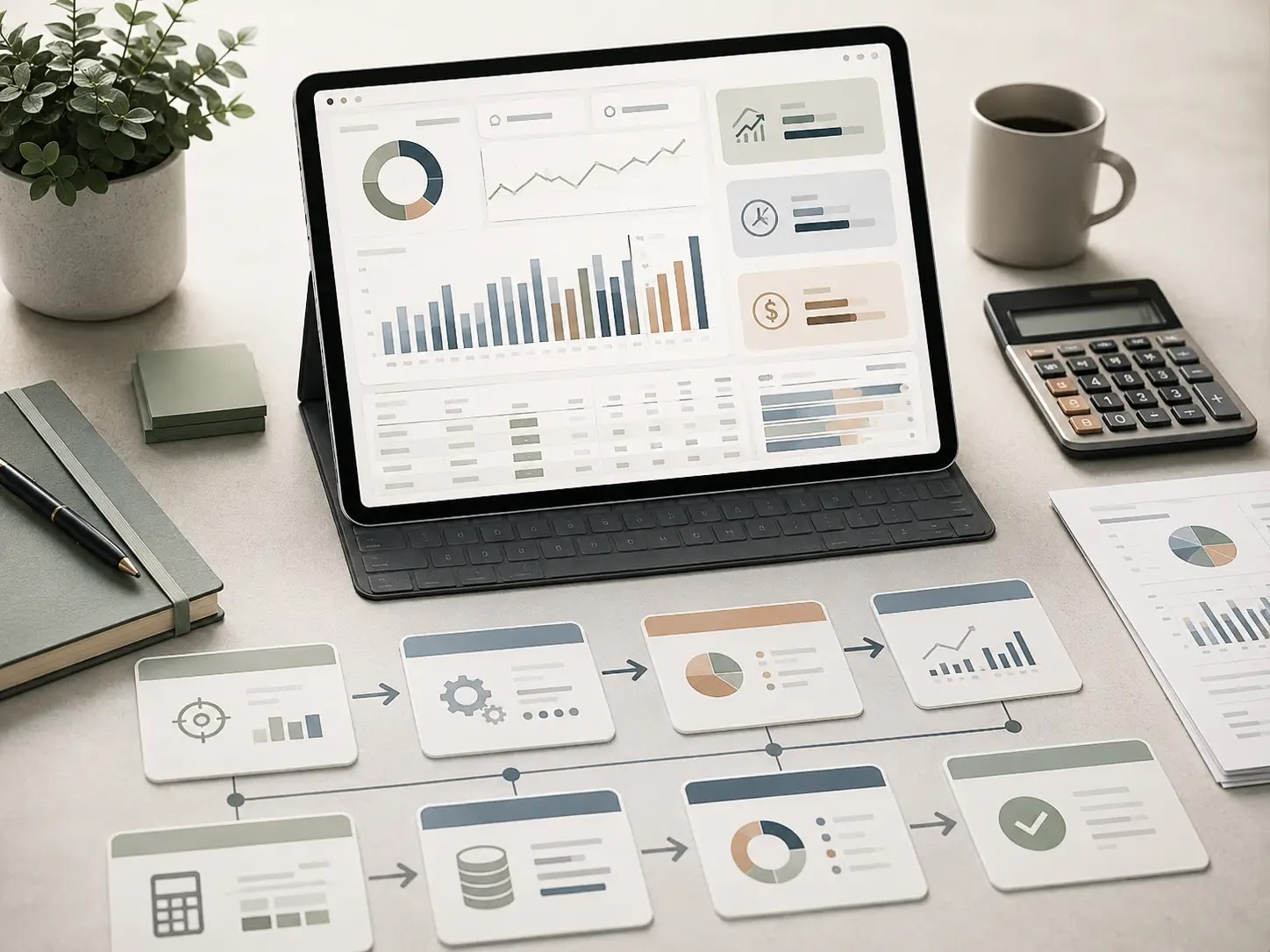
What tradeoffs and risks should shape a Vending Machine Community Outreach Plan?
A community outreach plan for vending is not just a marketing exercise; it also changes your route economics, site quality, and working capital needs. A strong local relationship can improve placement access, repeat placements, and customer trust, but it may also take longer to close and require more follow-up before a machine ever starts generating sales.
The main planning question is whether your outreach strategy is pulling the right assumptions into the model. For example, a school, apartment, clinic, gym, or faith-based location may create different expectations for commission, access hours, restocking cadence, product mix, and service support. Those differences can affect mileage, labor time, inventory turns, and repair exposure.
Scenario: high-fit community site
Better brand alignment and easier relationship building, but the site may have tighter operating rules, more gatekeepers, or slower decision cycles.
Scenario: quick-close placement
Faster launch potential, but the machine may land in a weaker location or require more frequent repositioning if traffic is inconsistent.
Scenario: commission-heavy agreement
Can help win a location, but it raises the sales threshold needed to support rent, route labor, inventory, software, and service costs.
Planning risks to test before you commit
| Risk | Why it matters | Assumption affected | How to verify |
|---|---|---|---|
| Weak site response to outreach | More meetings may be needed before a location agrees to host a machine | Sales cycle length and launch timing | Track outreach conversations, decision-maker availability, and follow-up requirements |
| Unclear site terms | Commission, access hours, utilities, and placement rights can change route economics | Net margin and service schedule | Request written site terms and compare them with your operating model |
| Traffic does not match expectations | A friendly location is not always a profitable one | Sales per machine and inventory turnover | Confirm foot traffic patterns with the property owner, manager, or on-site observation |
| Longer service and mileage burden | Small route inefficiencies can add labor time and fuel costs | Route mileage, labor hours, and working capital | Map the route, service frequency, and stop order before final placement |
| Higher repair or downtime risk | Older machines or harder-to-access sites can increase lost sales and service calls | Maintenance reserve and cash buffer | Inspect machine condition, parts availability, and service history when available |
These tradeoffs matter because community outreach often improves access before it improves revenue. That means your plan should test whether goodwill, referrals, and local visibility are strong enough to offset longer close times, site-specific constraints, and added service complexity. If the answer is uncertain, use conservative assumptions until the location is verified.
Local verification note
Local rules, costs, vendor terms, lease terms, and financing conditions vary by market and should be checked with current local sources before you rely on them in a business plan, pitch deck, or route forecast.
Use this risk review to tighten your assumptions now, then move into the final action checklist to convert the outreach plan into a short list of outreach tasks, verification steps, and launch decisions.
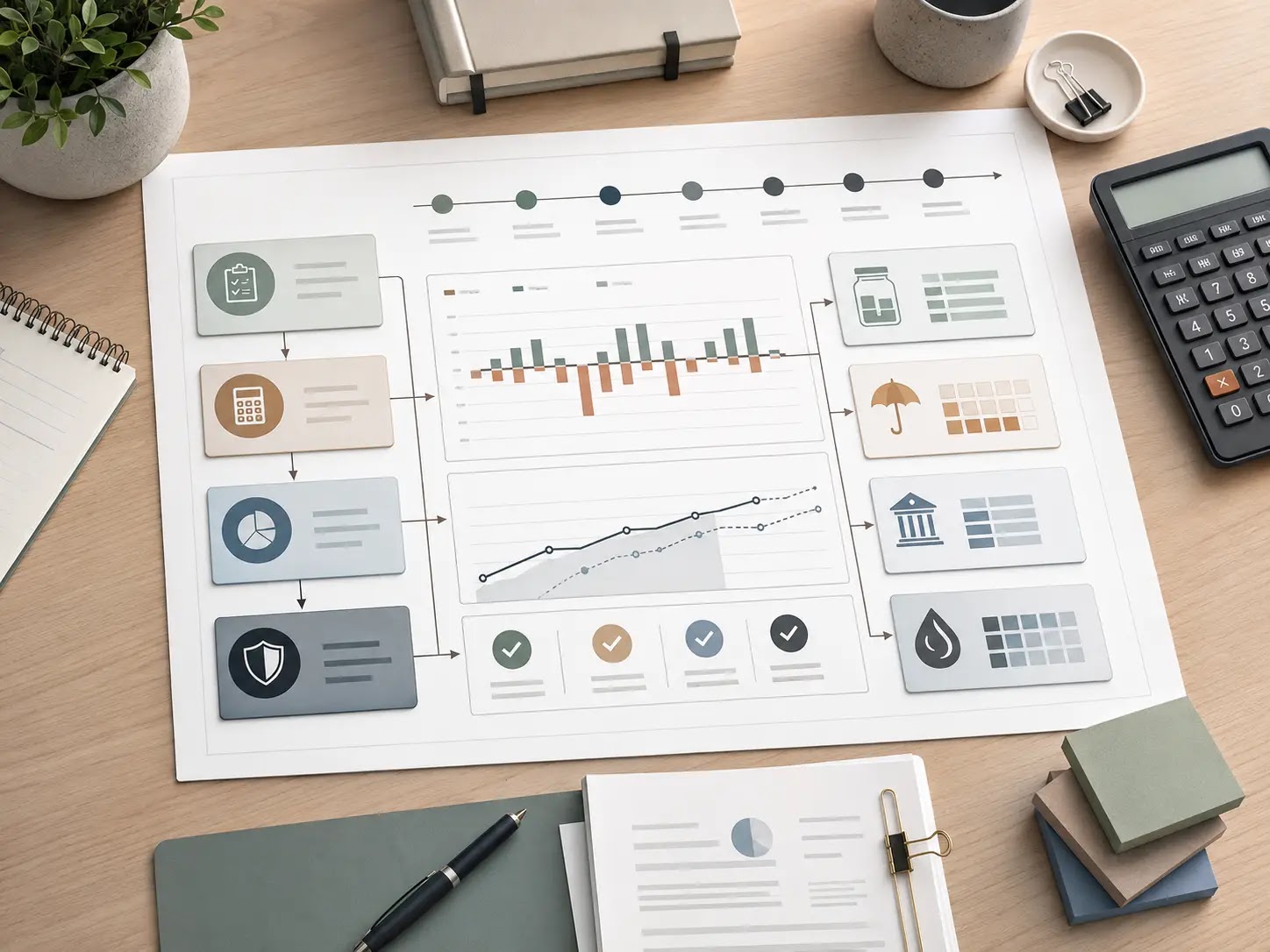
What should you confirm before moving ahead with community outreach?
For a U.S. vending machine founder or buyer, the practical takeaway is simple: community outreach should be tied to a specific route, a specific location type, and a specific sales assumption. If the outreach plan does not help you estimate placement interest, inventory turns, route mileage, repairs, commissions, software needs, and working capital, it is not ready for a launch decision.
This is the point in the process where the idea becomes measurable: who you will contact, what you will offer, what a “yes” means, and how that response changes your financial model.
| Readiness item | What you should have | Why it matters |
|---|---|---|
| Target locations | A short list of buildings, facilities, or community venues you can realistically approach | Defines where outreach is likely to convert into placements |
| Offer and terms | A clear proposal for the location owner or manager, including any commission or service expectations | Helps avoid vague conversations and weak vendor terms |
| Route assumptions | Estimated stops, replenishment frequency, and mileage for the first route | Feeds labor, fuel, and time assumptions |
| Machine and inventory plan | Machine count, product mix, and refill needs by location type | Supports sales forecasting and working capital planning |
| Operating support | Vendor contacts, repair process, and software or tracking tools | Improves service reliability and reduces avoidable downtime |
| Documentation | Notes you can reuse in a business plan, financial model, pitch deck, or lender packet | Makes the plan easier to review with partners, landlords, or advisors |
Next planning steps
- Confirm the location types you will target first and why they fit your route economics.
- Write a short outreach script that explains the value of the machine, service cadence, and any placement terms.
- List the local inputs that still need verification, including rent, commissions, insurance requirements, and equipment costs.
- Update your sales forecast with realistic placement, refill, and repair assumptions instead of broad averages.
- Track outreach responses so you can compare interest by location type and refine your target list.
- Document the assumptions you would need to defend in a pitch deck or funding conversation.
If you want the planning to become more concrete, a business plan, financial model, pitch deck, checklist, and startup toolkit can help organize the assumptions, compare scenarios, and document the outreach plan for partners, lenders, landlords, or advisors.
Final takeaway: the best community outreach plan is the one that turns local conversations into verifiable operating assumptions for your vending route, not just a list of contacts.


