
Vending Machine Daily Sales and Cash Control Workflow
A practical U.S. planning guide for vending machine daily sales and cash control workflow, built for founders, buyers, and operators comparing assumptions before committing capital.

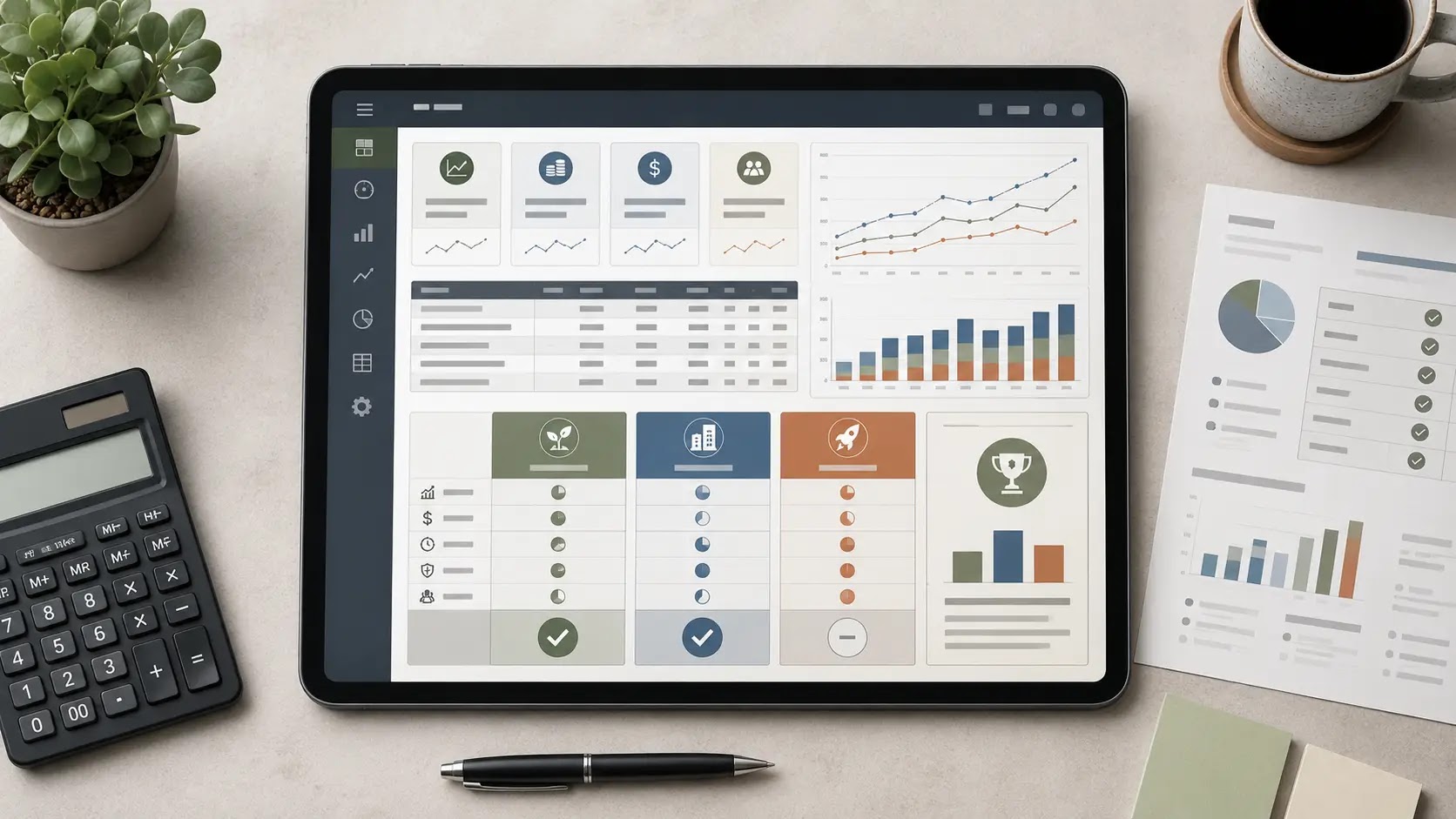
How should a vending machine daily sales and cash control workflow be planned?
If you are buying, starting, or funding a vending route, the core decision is simple: can daily sales be tracked, counted, and reconciled often enough to support reliable restocking, labor planning, and cash control? The answer depends less on a generic “average” and more on how each machine, stop, and route is actually operated.
A workable workflow connects sales collection, cash counts, inventory pulls, repair flags, and route notes into one repeatable process. That matters because small errors in counting, timing, or handoffs can distort sales assumptions, labor needs, and working capital planning.
For planning purposes, treat this as an operating model question, not just a bookkeeping task: the daily workflow should show who handles cash, when machines are checked, how discrepancies are recorded, and what gets reported before the next service run.
| What the reader is deciding | What must be verified locally |
|---|---|
| Whether the route can support a repeatable daily sales and cash control process | Machine placement terms, collection timing, cash handling method, staffing plan, and reporting tools used on the route |
| Whether the operating assumptions are strong enough for startup, acquisition, or funding planning | Local route mileage, service frequency, inventory mix, repair response time, commissions, and any landlord or location requirements |
- Lease and buildout: location access, placement terms, power needs, and any site-specific constraints.
- Equipment: machine condition, payment hardware, telemetry or software, and replacement timing.
- Labor: who services the route, counts cash, and reconciles exceptions.
- Menu economics: product mix, price points, spoilage risk, and sales mix by machine.
- Permits and local requirements: items that vary by market and must be checked with current local sources.
- Working capital: cash needed for inventory, fuel, repairs, float, and delayed collections.
- Funding readiness: whether the workflow can be documented clearly enough for lenders, partners, or investors.
Next, the practical framework shows how to turn these assumptions into a daily operating system that supports accurate reporting and better route decisions.
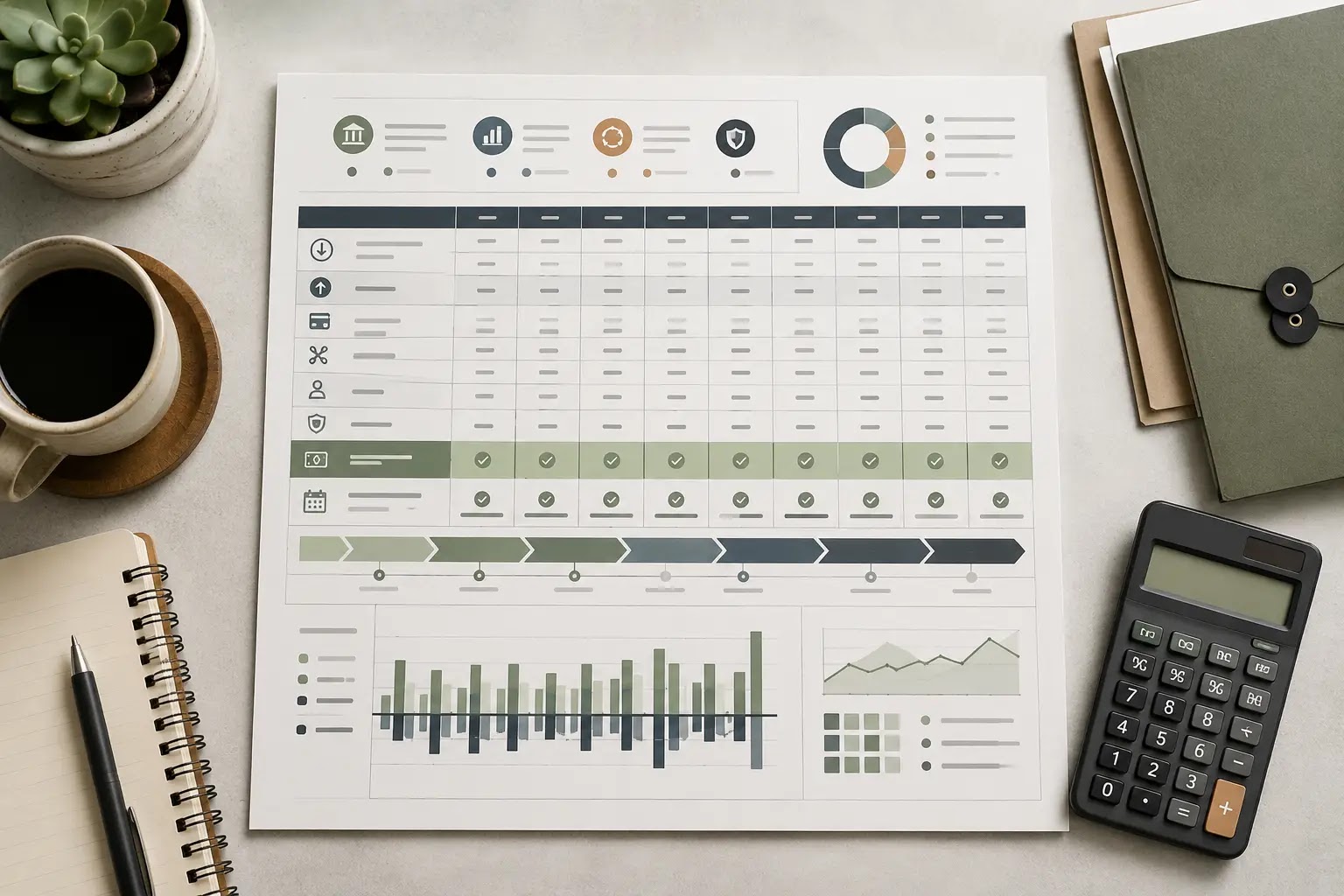
What daily sales and cash control workflow should a vending operator document?
For a U.S. vending operator, the goal is not just counting money at the end of the day. It is building a repeatable route process that ties each stop to meter reads, cash collected, cashless settlements, restock activity, repair notes, and a clear deposit trail.
Which operating inputs should be captured before the route becomes a standard SOP?
| Planning area | Question to answer | Input to collect | Model impact | Verification source |
|---|---|---|---|---|
| Machine and location setup | Which machines belong on the daily route, and which can be visited less often? | Machine ID, location name, access hours, service frequency, location contact | Route length, labor hours, and visit cadence | Location list, route sheet, site agreement |
| Sales capture method | How are sales confirmed for each machine? | Meter read, coin and bill count, cashless report, manual entry method | Daily revenue, reconciliation variance, shrink control | Machine display, telemetry export, count sheet |
| Restock decision | What products need to be refilled and in what quantity? | Product mix, par levels, pull counts, spoilage notes | Inventory usage, truck load, reorder timing | Machine audit, pull sheet, purchase invoice |
| Cash collection | When is cash removed, counted, and deposited? | Collection frequency, cash handling method, deposit timing, till limits | Cash on hand, deposit lag, working capital needs | Deposit slip, count log, bank record |
| Cashless settlement | If readers are installed, when does cashless revenue settle? | Processor payout schedule, fees, settlement lag | Reported revenue timing and receivable balance | Processor dashboard, payout report, bank statement |
| Route mileage and time | How much time does each stop add to the day? | Stop sequence, drive miles, service time, access delays | Fuel cost, labor cost, route productivity | Route log, mileage tracker, dispatch notes |
| Repairs and downtime | Which machines need service before the next cycle? | Fault codes, service tickets, parts used, downtime hours | Lost sales assumption and maintenance reserve | Service record, tech invoice, machine alert |
| Location commissions and fees | What payout is owed to the site owner? | Commission rate or flat fee, payment timing, deductions | Net sales and payout schedule | Agreement, invoice, payment proof |
| Reporting closeout | What has to be reviewed before the route is closed? | Exceptions, missing cash, restock gaps, unresolved repair items | Control quality and reporting reliability | End-of-day checklist, supervisor review |
How should the founder move from research to a documented operating assumption?
- List every machine by location, access window, and service frequency so the route can be planned stop by stop.
- Record the way sales will be confirmed for each machine: coin, bill, cashless, or a mix of sources.
- Set a standard count process that matches the machine type and the operator’s controls, then use the same process every route day.
- Document product pull quantities, refill quantities, and any spoilage or damaged inventory at each stop.
- Track commissions, site fees, and payment timing separately from gross sales so the net numbers stay clean.
- Log mileage, drive time, and service time by route to understand whether the schedule is efficient.
- Capture repairs, downtime, and missing revenue indicators in the same daily log so the operation can be reviewed later.
- Close each route with a deposit record, a reconciliation note, and an exception list that can be checked against machine reports.
This framework gives the operator a repeatable daily control sheet that can support staffing, route planning, and clean reporting. Next, those documented inputs can be turned into financial model implications, tradeoffs, and risk checks in Block 3.
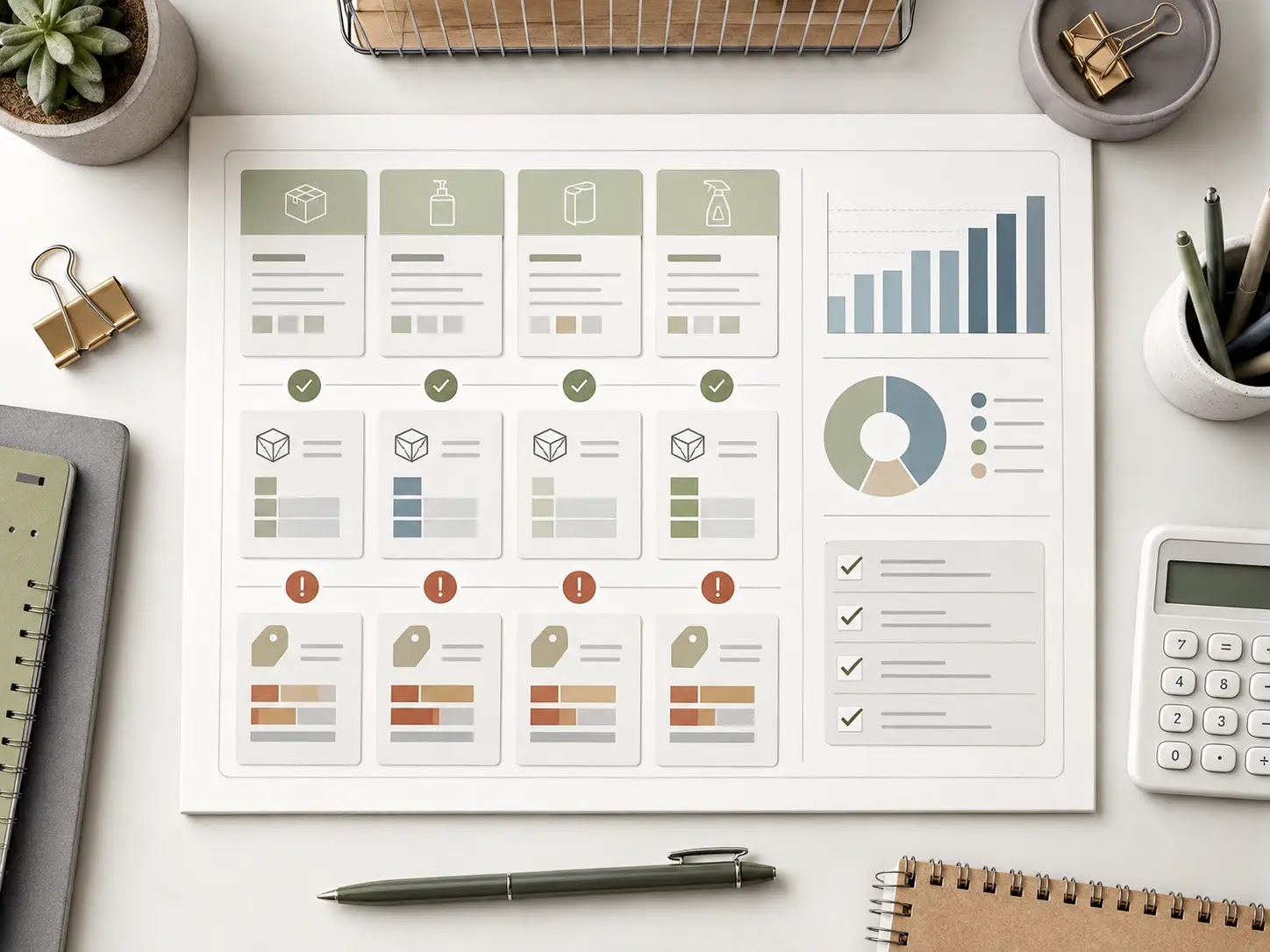
What planning risks change daily sales and cash control assumptions?
For a vending route, the main planning issue is not whether sales happen, but how reliably they convert into cash you can count, reconcile, and deposit. Daily performance can look strong on paper while still weakening working capital if machines need frequent service, product mixes are off, cash collection is delayed, or commissions and route mileage consume more time and margin than expected.
That is why daily sales and cash control should be modeled as an operating system, not just a deposit log. A founder or buyer should stress-test the assumptions behind machine uptime, collection frequency, spoilage, shrink, change-making, payment mix, software visibility, and the time needed to restock and reconcile each stop. Those inputs affect labor scheduling, inventory orders, and whether the route supports the debt service or owner draw expected in the plan.
Where the plan usually breaks
High-collection-pressure scenario
Cash-filled machines, slower collection cycles, or weak reporting can increase reconciliation risk and raise the chance of missing shortages or stale inventory data.
Maintenance-heavy scenario
If repairs or restocking take longer than expected, route mileage and labor time can crowd out sales growth even when machine count is increasing.
Location-mix scenario
Different sites can carry different commissions, traffic patterns, and payment behavior, so one strong location may mask weaker route economics elsewhere.
| Planning risk | Why it matters in vending | Assumption affected | How to verify |
|---|---|---|---|
| Cash leakage or reconciliation gaps | Daily sales can be overstated if collections, deposits, and machine counts do not match. | Net cash available, shrink allowance, owner compensation | Use route logs, cash counts, deposit records, and software reports side by side. |
| Machine downtime | Broken coin mechanisms, bill validators, or refrigeration issues can reduce sales before they are noticed. | Uptime, revenue per machine, repair reserve | Track service tickets, maintenance history, and repeated failure patterns by machine. |
| Inventory mismatch | Wrong product mix or understocking lowers sales and can create expired or unsold items. | Product turnover, spoilage, reorder frequency | Compare sales history, stock counts, and vendor invoices by location and product type. |
| Route inefficiency | Extra mileage and stop time can erode margin even when gross sales are acceptable. | Labor time, fuel expense, route density | Map stop sequence, travel time, and service intervals with actual route logs. |
| Commission or site-fee pressure | Location payments can materially change route profitability and cash flow timing. | Gross margin, site contribution, payback period | Review signed location terms and any side agreements before relying on revenue assumptions. |
| Reporting blind spots | Without timely sales data, owners may restock too late or miss underperforming machines. | Restock cadence, staffing plan, working capital need | Confirm software exports, audit trails, and reporting cadence before launch or acquisition close. |
For planning purposes, the safest approach is to treat each route as a set of assumptions that must be documented, reviewed, and updated after real collections begin. That gives you a cleaner read on sales quality, cash conversion, and whether the route can support the staffing, inventory, and repair schedule you expect.
With those risks and verification points in place, the final checklist can focus on the exact operating steps to confirm before launch, acquisition close, or lender review.

What should you do next before relying on daily sales and cash reports?
For a U.S. vending operator, the practical decision path is simple: confirm that each machine’s daily sales, cash pulls, restock counts, route mileage, and repair notes are captured the same way every day, then use that record to spot variance, stockouts, and service issues before they distort cash flow. If those inputs are inconsistent, the numbers may still look busy—but they will not be decision-ready.
The workflow is most useful when it supports staffing, scheduling, vendor ordering, cash handling, and reporting in one repeatable process.
Readiness scorecard
| Readiness check | What “ready” looks like | What to verify now |
|---|---|---|
| Daily sales capture | Each machine has a consistent count-and-log process | Who records it, when it is recorded, and where it is stored |
| Cash control | Pulls, deposits, and variance reviews are traceable | Deposit timing, reconciliation steps, and approval chain |
| Route execution | Stops, mileage, and restock frequency are planned | Route map, service cadence, and travel assumptions |
| Inventory discipline | Product usage matches machine sales patterns | Par levels, reorder triggers, and spoilage risk |
| Repair response | Issues are logged and acted on quickly | Vendor contacts, response times, and replacement parts |
Next planning steps
- Set one daily workflow for counting sales, pulling cash, and recording variances.
- Define who owns each step: route driver, operator, bookkeeper, or manager.
- Standardize machine-level logs so sales, inventory, and repairs can be compared.
- Track mileage, service time, and restock labor alongside cash results.
- Review any machine with recurring shortages, excess cash variance, or low-fill issues.
- Confirm local vendor terms, lease terms, payment timing, and reporting requirements with current sources.
Planning note: If you are turning this into a lender-, landlord-, or partner-ready package, a business plan, financial model, pitch deck, checklist, and startup toolkit can help organize assumptions, compare scenarios, and document the operating process in a cleaner format.
Final takeaway: the best vending daily sales and cash control workflow is the one your team can repeat every day, reconcile without confusion, and use to make faster restock, staffing, and repair decisions.


