
Vending Machine Standard Operating Procedures for Consistency
A practical U.S. planning guide for vending machine standard operating procedures for consistency, built for founders, buyers, and operators comparing assumptions before committing capital.

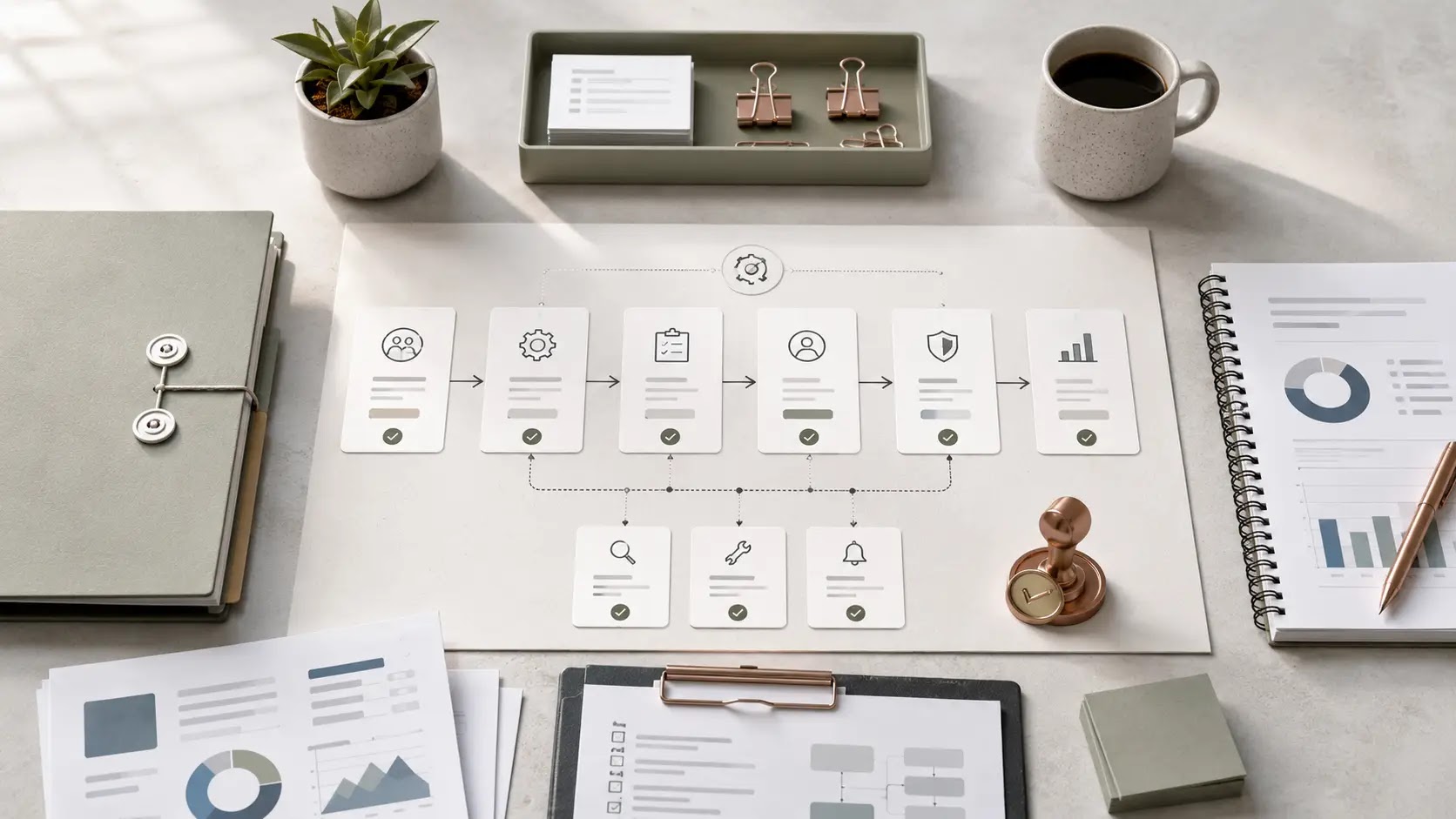
How do vending machine SOPs create consistency in daily operations?
For a vending machine founder, buyer, or operator, the main decision is not whether to “have SOPs,” but how much of the route, restocking, repair, cash handling, and reporting process needs to be documented so service stays consistent across locations and staff changes.
Strong SOPs reduce guesswork around machine checks, inventory pulls, route timing, vendor handoffs, and issue escalation. They also help the business plan stay realistic because the operating model has to account for labor, mileage, equipment downtime, commissions, software, and working capital.
Because vending performance is location-specific, the right SOP structure depends on the local route mix, placement terms, and service expectations. The first step is to separate what you control internally from what must be verified with each market, landlord, location manager, supplier, or lender.
| What the reader is deciding | How detailed the SOP system should be for stocking, servicing, reporting, and issue handling so machines operate consistently. |
|---|---|
| What must be verified locally | Location access rules, lease or placement terms, commission expectations, equipment lead times, service vendor terms, software setup, and route economics. |
- Lease/buildout: access, space, power, and site-specific operating constraints.
- Equipment: machine type, age, reliability, parts availability, and service coverage.
- Labor: route staffing, training depth, and who handles escalations.
- Menu economics: product mix, fill levels, spoilage risk, and price sensitivity.
- Permits: local requirements that affect placement or operation.
- Working capital: cash needed for inventory, repairs, fuel, and early operating gaps.
- Funding readiness: documentation quality, assumptions, and lender or investor questions.
Next, use a practical framework to turn those assumptions into a route-by-route operating system that can be tested, measured, and updated.
Which operating inputs should your vending SOPs lock down first?
For a vending machine business, consistency usually comes from standardizing the parts of the route that affect product availability, machine uptime, and restocking labor. The goal is not to document everything at once; it is to define the repeatable inputs that determine whether each stop can be serviced on time, stocked correctly, and reported the same way every week.
What should the operating framework capture before you scale routes?
| Planning area | Question to answer | Input to collect | Model impact | Verification source |
|---|---|---|---|---|
| Route design | Which machines belong on the same service route? | Stop list, drive time between locations, access windows, service frequency | Labor hours, mileage, fuel, daily route capacity | Route logs, mapping tools, site access agreements |
| Restock cadence | How often does each machine need service to stay full? | Sales pace by machine, shelf turnover, item mix, stockout history | Inventory turns, service labor, working capital tied up in stock | Sales reports, machine telemetry, manual count sheets |
| Par levels | What is the minimum on-hand stock for each product group? | Case pack sizes, expected sell-through, reserve stock, expiry exposure | Inventory purchases, shrink risk, spoilage reserve | Supplier specs, storage logs, prior restock records |
| Machine uptime | What counts as an operational issue that requires a service call? | Accepted downtime threshold, error codes, jam frequency, cashless failures | Lost sales, repair expense, repeat-visit labor | Service tickets, repair history, software alerts |
| Repair workflow | Who handles small fixes versus vendor repairs? | Common parts kept on hand, approved technicians, response steps | Maintenance cost, downtime duration, route disruption | Vendor terms, technician quotes, internal SOP logs |
| Commissions and site terms | How will location payments be recorded and reviewed? | Commission structure, payout timing, deductions, contract notes | Gross margin, cash flow timing, site-level profitability | Location agreement, invoice trail, accounting records |
| Labor standards | What does a complete service visit include? | Restock steps, cleaning steps, count procedure, photo documentation | Training time, labor consistency, error rate | Written SOP, training checklist, supervisor spot checks |
| Inventory replenishment | When should product be reordered from suppliers? | Lead times, minimum order quantities, safety stock, storage space | Purchase timing, cash needs, stockout risk | Supplier quotes, purchase orders, warehouse counts |
| Reporting | Which numbers must be reviewed after each route? | Sales by machine, cash collected, card sales, stockouts, repairs | Forecast accuracy, exception tracking, route prioritization | POS reports, cash logs, service summaries |
How should a founder turn field observations into documented assumptions?
- Map each machine and location. Record address, access hours, loading constraints, and any site-specific service rules that affect restocking timing.
- Log actual service tasks. Separate stocking, cash collection, cleaning, troubleshooting, and reporting so labor is measured by task rather than by vague “route time.”
- Record product movement by machine. Use sales reports or manual counts to identify which items turn quickly, which linger, and where stockouts occur.
- Define service thresholds. Decide what triggers a refill, repair, or location review based on downtime, low inventory, or repeated machine errors.
- Standardize restock counts. Build a repeatable count sheet for each machine type so the same inventory method is used on every visit.
- Document exception handling. Note what happens when a machine is blocked, overstocked, jammed, offline, or missing payments so the route does not rely on memory.
- Separate recurring costs from one-time fixes. Tag route labor, fuel, product purchases, commissions, repairs, and software fees so later financial analysis has clean inputs.
- Review the SOP after the first route cycle. Compare the written process to actual service behavior, then revise the assumptions before adding more machines or new locations.
Once these operating assumptions are documented, the next step is to test them in the financial model so route mileage, service frequency, commissions, repair exposure, and inventory needs can be stress-tested before launch or acquisition.

Where do SOP tradeoffs create the biggest consistency risk?
For a vending route, consistency usually breaks down when the operating assumptions are too optimistic: machines may need more frequent service than planned, inventory turns may vary by location, and repair response times may be slower than your schedule assumes. Standard operating procedures help, but only if they are built around the real route pattern, not a generic weekly refill plan.
The main planning tradeoff is between tighter control and lower flexibility. More frequent checks can improve stockouts, cleanliness, and cash or telemetry visibility, but they also raise mileage, labor time, and route complexity. Fewer stops can reduce operating cost, yet they can increase missed sales, emergency runs, and customer complaints if product mix or machine performance is uneven.
That is why the assumptions behind machine uptime, inventory par levels, service cadence, repair sourcing, commissions, and software reporting should be documented together. If one assumption changes, the route model, working capital need, and staffing plan may need to change with it.
| Planning risk | Why it matters in vending | Assumption affected | How to verify |
|---|---|---|---|
| Machine downtime or repair delays | Unexpected outages can interrupt sales and create emergency service runs. | Uptime, maintenance reserve, service frequency | Review machine age, repair history, technician availability, and parts lead times. |
| Inventory demand swings by location | Different sites can move at very different rates, which affects stockouts and spoilage. | Par levels, refill cadence, working capital | Track sales by machine and compare location-by-location refill data. |
| Route mileage increases | More driving can raise labor burden and reduce the number of stops per day. | Staffing plan, route density, fuel and time budget | Map stops, measure actual drive time, and test route clustering before scaling. |
| Location commissions or host terms change | Revenue share can shift unit economics even when sales stay stable. | Gross margin, payback assumptions, location profitability | Confirm the written agreement and review renewal, access, and service expectations. |
| Software or telemetry gaps | Poor data visibility makes it harder to schedule restocking and detect problems early. | Reporting cadence, labor efficiency, decision timing | Test reporting exports, alert settings, and device coverage on the actual route. |
| Working capital pressure | Inventory, repairs, commissions, and fuel can create cash strain before sales stabilize. | Cash reserve, purchase timing, rollout pace | Build a simple cash flow test using current vendor terms and route timing. |
Local verification: regulations, costs, vendor terms, lease terms, and financing conditions vary by market and should be checked with current local sources before you rely on any operating assumption. Confirm the details that affect access, service hours, route setup, equipment placement, and your cash flow model.
Use these risk checks to pressure-test your SOPs before you lock staffing, replenishment rules, or reporting cadence. Next, the final action checklist will turn those assumptions into a short set of decisions you can execute or hand off to a manager.

What should you do next to keep vending SOPs consistent?
For a U.S. vending machine startup or acquisition, the practical decision is not whether to write SOPs, but whether those SOPs can be followed on every route, by every operator, with the same result. The core path is simple: standardize stocking, service timing, repair escalation, and reporting; then verify that the process still works with your locations, commissions, travel time, software, and working capital needs.
If the answer changes by market, machine type, or vendor terms, document that difference now instead of carrying it into launch.
Next-step readiness checklist
- Confirm the machine list, location list, and route map you will operate first.
- Write the minimum SOPs for stocking, cleaning, cash handling, repair escalation, and exception logging.
- Set a service cadence that matches actual sales velocity and travel time.
- Define reorder points, par levels, and approved substitutions for inventory.
- Track downtime, service misses, spoilage, and route mileage from day one.
- Verify commissions, rent, software fees, repair access, and supplier terms with current local sources.
- Test whether your working capital can cover inventory, maintenance, and route buildout before cash flow stabilizes.
- Update the financial model and operating assumptions if any route or machine behaves differently than planned.
Readiness scorecard
| Readiness check | What “ready” looks like | Why it matters |
|---|---|---|
| SOP coverage | Core daily tasks are written and assigned | Reduces inconsistency across routes and staff |
| Route logic | Service frequency matches machine performance and distance | Controls labor, mileage, and missed fills |
| Inventory control | Reorder points and backup stock are documented | Limits stockouts and overbuying |
| Repair process | Escalation steps and vendor contacts are defined | Shortens downtime and protects revenue |
| Reporting cadence | Sales, cash, downtime, and exceptions are reviewed routinely | Makes the business easier to manage and lender-ready |
Final takeaway: consistency in vending comes from repeatable SOPs, verified route assumptions, and disciplined reporting—not from hoping every machine will run the same way on its own.


